Construction of Mobile Toilets in Scenic Areas
The construction of mobile toilets in scenic areas requires a comprehensive consideration of structure, mobility methods, sewage treatment approaches, and design principles, while also enhancing service quality through practical examples.

1. Composition and Classification of Mobile Toilets
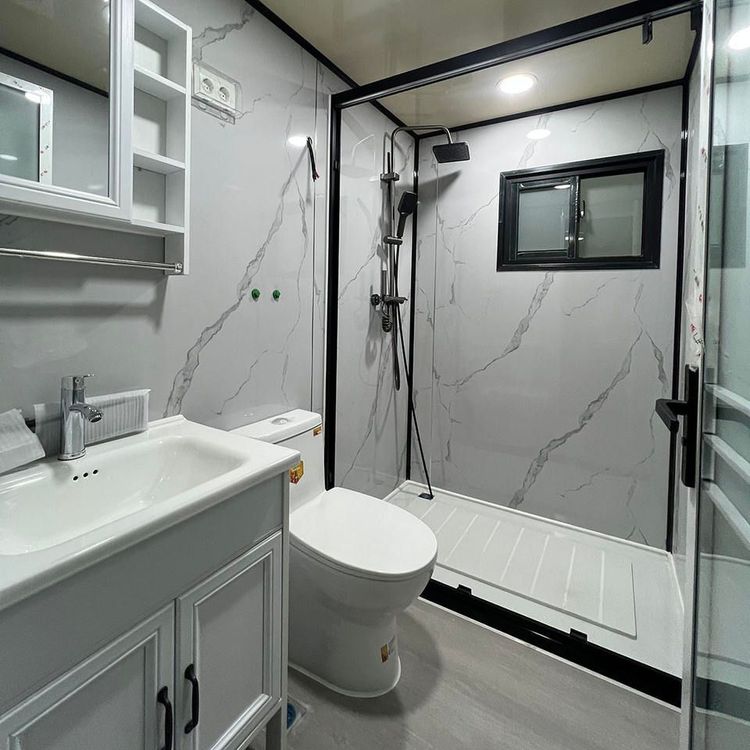
Mobile toilets consist of fecal sewage storage tanks (or disposal units), flooring, sanitary fixtures, walls, washing facilities, water tanks, roofs, and mobility devices. They can be classified in various ways:
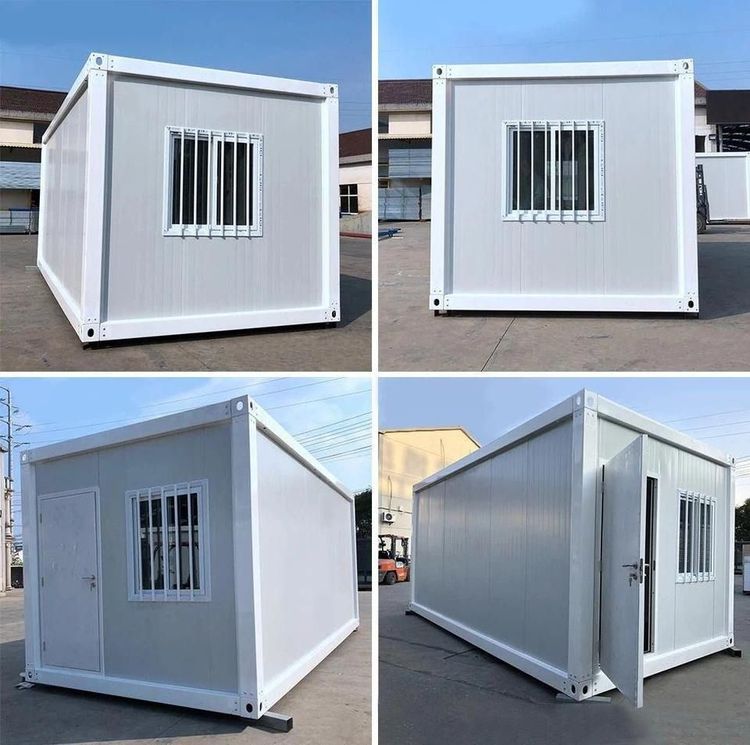
- By structural form: They are divided into single-unit structures (independent units) and composite structures (multi-unit combinations).
- By mobility method: They include lifting/handling types (requiring mechanical assistance for movement) and powered/trailer types (with built-in power or capable of being towed).
- By sewage treatment method: They are categorized as flush toilets (requiring a water source), non-flush suction toilets (with periodic fecal removal), recirculating flush toilets (with purified water reused), and dry-pack toilets (with fecal matter packaged and treated harmlessly).
2. Design Principles and Material Selection
The design of mobile toilets should adhere to three key principles:
- Mobility and cost-effectiveness: The overall structure should be lightweight, utilizing light yet high-strength materials (such as aluminum alloy and fiberglass-reinforced plastic) to reduce transportation costs. Mobility devices (such as axles and towing hooks) must be complete and reasonable to ensure rapid deployment.
- Environmental protection: Priority should be given to non-flush or recirculating flush technologies to reduce water consumption. Dry-pack toilets can prevent sewage leakage and protect the scenic area environment.
- Functional optimization and humanistic care: The height (usually ≤2.5 meters) and width (suitable for standard transportation vehicles) of the toilets should be controlled, with a reasonable internal layout and the provision of barrier-free facilities (such as handrails and low-position washbasins).
3. Construction Examples and Upgrade Directions
- Xinjiang: By 2026, it is planned to build 47 new mobile toilets, with some scenic areas already achieving intelligent upgrades. For example, the intelligent art public toilet on the空中草原 (Air Grassland) in the Nalati Scenic Area of Yili features a仿巨石 (fake boulder) appearance and is equipped with intelligent sensing facilities and thermostatic washbasins. The tourist toilets in Tekes County have added dressing rooms and母婴室 (mother-and-baby rooms) to enhance humanized services.
- Lanzhou Yellow River Scenic Line: Mobile toilets were put into use in 2023, featuring a modular design that allows for rapid disassembly and reassembly to meet the needs of temporary events.
- Service enhancement: The Kanas Scenic Area has introduced an intelligent toilet system to monitor usage in real-time. Jimusaer County has implemented a "dedicated personnel for dedicated cleaning" system to ensure hygiene standards are met.
4. Policy Support and Quality Standards
Xinjiang has issued the "Three-Year Action Plan for the Quality Improvement of Tourist Toilets (2026-2028)", clarifying the evaluation standards for Class I and Class II toilets. Since 2023, 36 Class I toilets have been evaluated, with an additional 15 planned for 2026. Special subsidy funds are being used to promote hardware upgrades, while also strengthening service "soft power" to form a long-term mechanism that emphasizes both construction and management.