
Scenic Area Mobile Odorless Toilet
The realization of mobile odorless toilets in scenic areas mainly relies on innovative technologies and design optimizations, achieving odorless, hygienic, and environmentally friendly goals through microbial treatment, IoT monitoring, and other means.
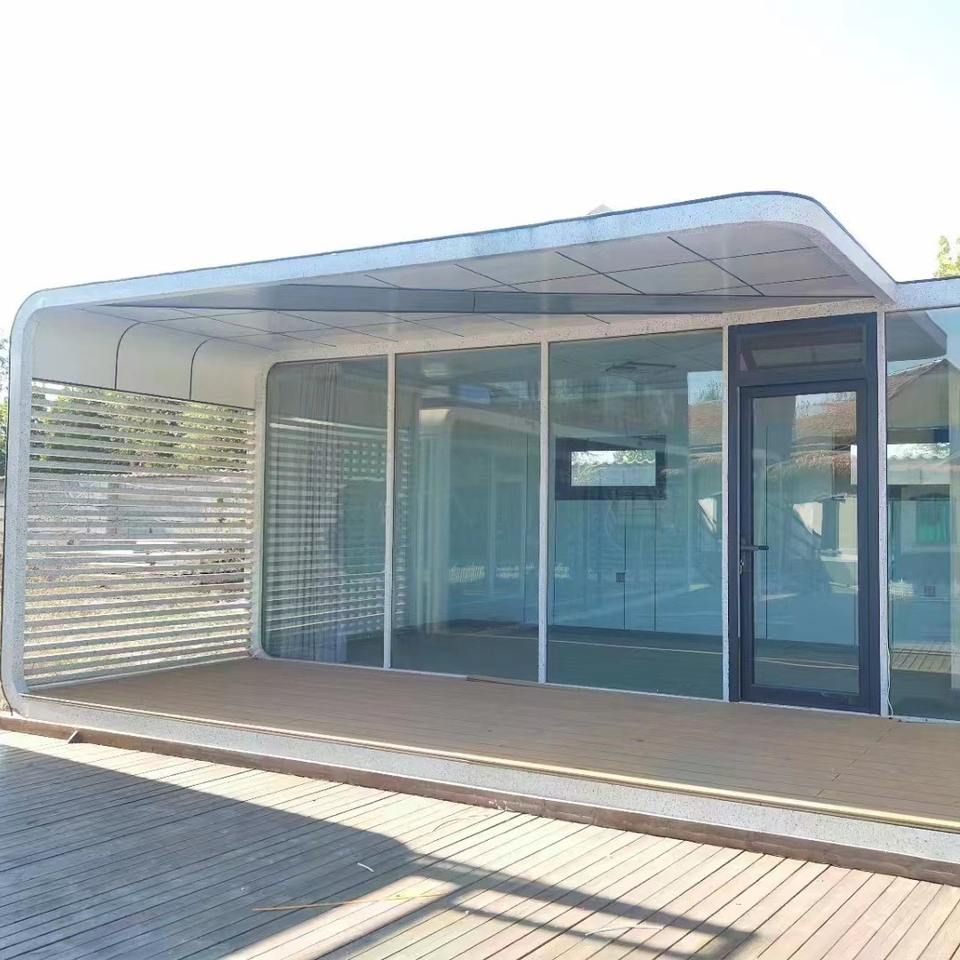
1. Microbial Synergistic Treatment Technology: Suppressing Odors at the Source
One of the core technologies of mobile odorless toilets in scenic areas is the "three-stage microbial composite bacteria" synergistic treatment system. This system rapidly decomposes organic matter in excreta through specific microbial communities, converting fecal waste into carbon dioxide, water, and a small amount of inorganic salts, thereby blocking odor generation at the source. For example, the 5G smart carbon-neutral public toilet adopted by a scenic area in Qingcheng Mountain, Chengdu, demonstrates extremely high microbial degradation efficiency, with almost no odors in the toilet compartments. Additionally, microbial technology enables a "waterless flushing" function, where treated fecal waste can be directly converted into organic fertilizer, addressing the issues of high water consumption for flushing and rapid odor diffusion in traditional mobile toilets, while also reducing environmental pollution from wastewater discharge.
2. IoT and AI Technologies: Dynamically Optimizing Operating Environment
To ensure long-term stable operation, these public toilets are typically equipped with IoT sensors and AI algorithms. The sensors continuously monitor data such as toilet occupancy density, energy consumption, and microbial activity in the degradation tanks, while the AI system dynamically adjusts temperature control strategies based on this data. For instance, in extreme hot or cold environments, the system automatically regulates equipment temperatures to maintain microbial activity, preventing reduced treatment efficiency or odor generation due to environmental changes. Furthermore, IoT technology enables remote alerts for equipment failures, facilitating timely maintenance by operations and maintenance personnel and further enhancing hygiene standards and user experience.
3. Design Optimization: Enhancing User Experience and Environmental Friendliness
In addition to technology, the design of odorless toilets also focuses on details. For example, enclosed structures are used to minimize odor leakage, and fresh air systems are installed to accelerate air circulation; the internal space layout is reasonable, reducing user waiting times; some toilets even integrate solar panels to achieve self-sufficiency in energy and reduce carbon emissions. These design optimizations, combined with technological innovations, enable mobile toilets to not only meet basic needs but also serve as showcases for the environmental protection image of scenic areas.
In conclusion, mobile odorless toilets in scenic areas achieve a balance between hygiene, environmental protection, and user experience through microbial treatment, intelligent monitoring, and design optimization, representing an important direction for the future development of public toilets.



