Scam of Container House
Container houses themselves are not scams, but there are chaotic situations in the industry, and it is necessary to be vigilant against issues such as low-price traps, quality risks, and contract fraud. The following is an analysis from three aspects: industry status, common types of scams, and prevention suggestions.

I. Industry Status and Legal Basis
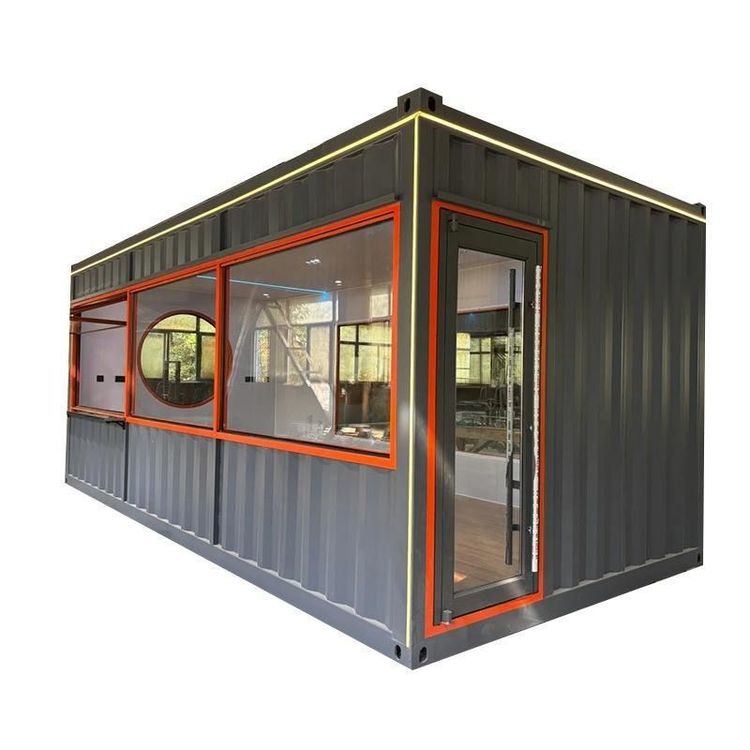
Container houses belong to prefabricated buildings. They use standardized containers as modules and are completed through factory prefabrication and on-site assembly. Their core advantages include low cost (the price of a single set is approximately $10,000 - $30,000), short construction period (assembly can be completed in one day), and strong mobility. They are widely used in scenarios such as temporary construction sites, cultural tourism homestays, and overseas emergency resettlement. The global market size continues to grow, reaching 293.36 billion yuan in 2022, and is expected to exceed 384.9 billion yuan by 2028. As a major exporter, China's export volume of prefabricated buildings in 2025 will increase nearly threefold compared to 2015, with a high level of technological maturity and market recognition.
II. Common Types of Scams and Risk Points
- Low-price traps: Some merchants reduce quotations by reducing the wall thickness of steel, using inferior thermal insulation core materials (such as recycled foam), and low-end waterproof accessories. For example, the wall thickness of steel in normal container houses should be ≥ 2mm, but inferior products may be only 1.2mm, resulting in easy deformation of the structure, poor sealing, and a shortened service life to 3 - 5 years (high-quality products can last for more than 20 years).
- Quality risks: The industry lacks unified standards, and some small workshops have no quality inspection systems. Their products may have problems such as non-compliant fire protection ratings (e.g., not using Class A fire-resistant rock wool) and insufficient earthquake resistance (unable to withstand earthquakes above magnitude 6), posing prominent safety hazards.
- Contract fraud: Using "customization" as a pretext, the actual delivered products differ greatly from the renderings, or they evade responsibilities through vague clauses (such as not specifying material brands and construction standards), making after-sales rights protection difficult.
- Risk of illegal buildings: If land use rights certificates and planning permits are not obtained, the unauthorized construction of container houses may be regarded as illegal buildings and face compulsory demolition.
III. Prevention Suggestions
- Verify enterprise qualifications: Give priority to source factories with independent research and development, production, and installation capabilities, and avoid trading intermediaries or small workshops. For example, enterprises such as Qinghai Guangzan Light Steel have full-chain service capabilities, and their products have passed ISO certification, ensuring more reliable quality.
- Clarify core parameters: Specify key indicators such as steel specifications (e.g., Q345B high-strength steel), thermal insulation materials (e.g., glass wool bulk density ≥ 48kg/m³), and waterproof processes (e.g., double-layer sealing strips) in the contract to prevent shoddy work and materials.
- Require qualification certificates: Confirm that the products have documents such as fire protection inspection reports and earthquake resistance test reports to ensure compliance with the regulations of the target market (such as EU CE certification and US UL certification).
- Conduct on-site inspections of cases: Require manufacturers to provide past project cases and focus on inspecting the actual performance of the houses under extreme weather conditions (such as typhoons and snowstorms) to avoid relying solely on promotional materials.
The container house industry is generally legal and has development potential, but risks can be avoided by purchasing through standardized channels and strictly reviewing enterprise qualifications and product standards.