Sanya Container House Partition Wall
When selecting materials for partition walls in Sanya container houses, it is necessary to comprehensively consider factors such as cost, strength, sound insulation, fire resistance, and water resistance. Common materials include color-coated steel sheets, gypsum boards, fire-resistant boards, wooden materials, and glass, each with its applicable scenarios and advantages and disadvantages.

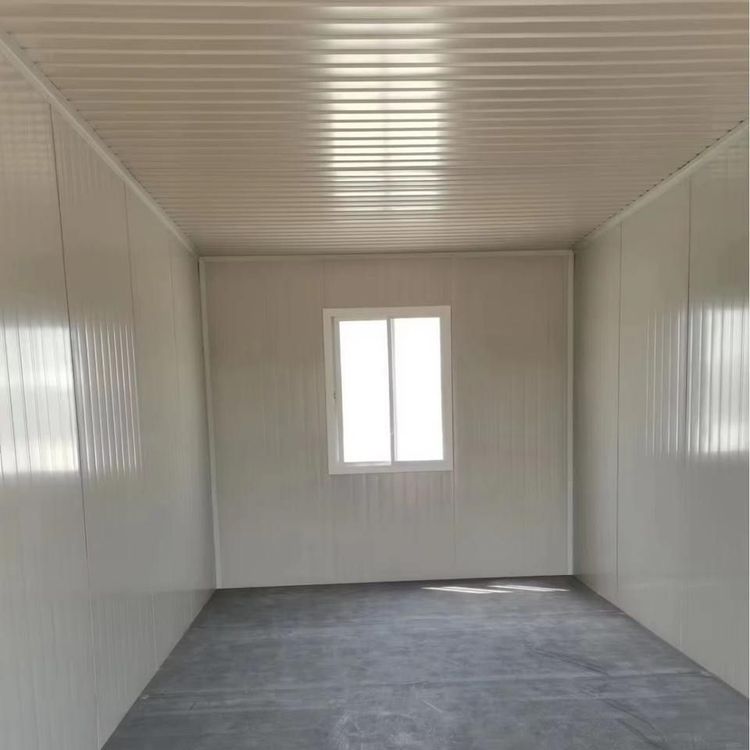
Color-coated steel sheets are one of the commonly used materials for partition walls in Sanya container houses. They are lightweight, easy to install, and their surface color coatings offer both aesthetic appeal and corrosion resistance. The cost is relatively low, and they can meet the strength requirements of general partitions. They have relatively good sound insulation performance, effectively blocking some noise, making them suitable for scenarios with certain sound insulation requirements but limited budgets. However, their fire resistance is average, and they need to be used in combination with other fire prevention measures.
Gypsum boards are lightweight and easy to install, with a smooth surface that facilitates subsequent decoration. Their core advantage lies in their excellent sound insulation performance, effectively absorbing sound and making them suitable for areas requiring a quiet environment, such as bedrooms or offices. They are affordable, but their water resistance is poor. In Sanya's humid climate, moisture-proof treatment should be carried out in advance; otherwise, they are prone to moisture deformation, affecting their service life.
Fire-resistant boards are renowned for their outstanding fire resistance, preventing the spread of fire and providing safety protection for container houses. They have high strength, a wear-resistant and scratch-resistant surface, and are easy to clean, making them suitable for places with strict fire prevention requirements, such as kitchens or warehouses. However, they are relatively heavy, and during installation, it is necessary to ensure that the wall structure can bear their weight. Additionally, their cost is relatively high, and a choice needs to be made based on the budget.
Wooden materials can create a warm and natural atmosphere and can be processed into various shapes according to design requirements, offering strong aesthetic appeal and being suitable for scenarios pursuing personalized decoration. However, their flammability is a major drawback, with poor fire resistance. Fire-resistant coatings or flame-retardant treatments are required to enhance safety. At the same time, wooden materials are prone to moisture decay. In Sanya's humid environment, enhanced moisture-proof and anti-corrosion measures are needed; otherwise, their service life may be shortened.
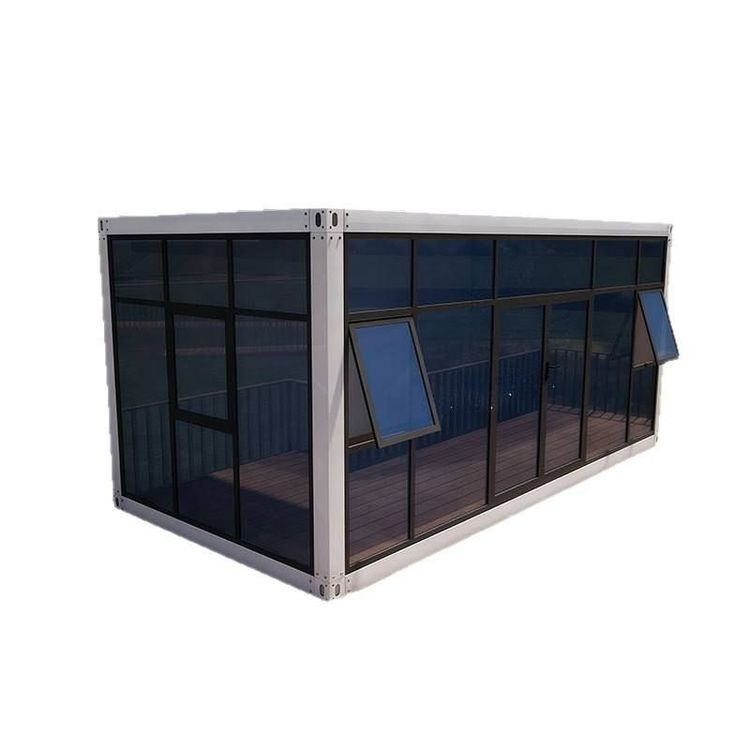
Glass partition walls can use tempered glass or laminated glass to ensure safety. Their advantage lies in increasing the sense of spatial transparency, improving lighting effects, making the interior appear spacious and bright, and being suitable for living rooms or public areas. However, their sound insulation performance is relatively weak. If sound insulation is required, double-layer glass or sound insulation films should be used. In addition, glass is costly, and its installation requires a professional team to avoid safety hazards caused by improper installation.
In conclusion, the selection of materials for partition walls in Sanya container houses should be based on specific needs: if cost and sound insulation are emphasized, color-coated steel sheets or gypsum boards can be chosen; if fire safety is a priority, fire-resistant boards should be preferred; if aesthetics and personalization are pursued, wooden materials can be considered; and if transparency and lighting are required, glass should be selected. At the same time, according to Sanya's climatic characteristics (such as humidity and rain), enhanced waterproofing and moisture-proof treatments should be carried out to ensure the long-term stability and safety of the partition walls.