
Sanitation Mobile Toilet Materials
The materials for sanitation mobile toilets mainly include overall structural materials, exterior wall materials, floor materials, and materials used in the early days, with each type having distinct characteristics.
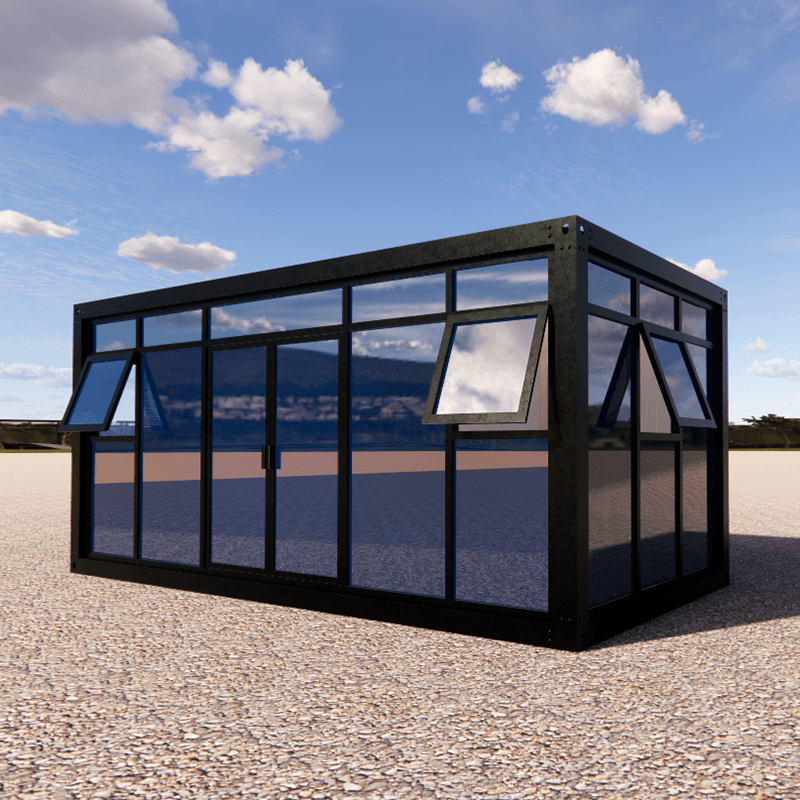
Overall Structural Materials: The overall structure of sanitation mobile toilets is often constructed using galvanized steel structures or welded national standard steel. Galvanized steel structures offer good rust resistance, enabling them to withstand external environmental erosion and extend the lifespan of the toilets. National standard steel ensures the strength and stability of the structure, allowing the toilets to be placed firmly on various sites and withstand certain external impacts and user pressure.
Exterior Wall Materials: There is a wide variety of exterior wall materials available, which can be selected based on different needs. Color-coated steel sheets are lightweight, strong, and easy to install, while also possessing certain anti-corrosion and fire-resistant properties. Metal carved panels not only have an aesthetically pleasing appearance, enhancing the overall image of the toilets, but also offer good thermal insulation. Anti-corrosion wood provides a natural and warm feel, suitable for places with specific environmental ambiance requirements, and inherently possesses anti-corrosion properties to adapt to outdoor environments. Stainless steel sheets have excellent corrosion resistance and are less prone to rust, ensuring a long service life. Aluminum-plastic panels combine the advantages of aluminum and plastic, being lightweight, strong, and corrosion-resistant. The service life of these exterior wall materials can all exceed 20 years.
Floor Materials: The floor may be constructed with reinforced concrete as a base, which is sturdy and durable, capable of withstanding significant weight and frequent foot traffic. Some mobile toilets are also equipped with non-slip floors to enhance safety during use and prevent people from slipping and getting injured.
Early Materials: In the early days, mobile toilets were made of wood, but wood had issues such as being prone to rot and insect infestation, resulting in a short service life. Later, materials such as fiberglass-reinforced plastic and polyethylene were gradually adopted. Fiberglass-reinforced plastic is lightweight yet strong and corrosion-resistant. Polyethylene material has good chemical stability and weather resistance, enabling it to adapt to different climatic conditions.



