Sanitation Mobile Toilet Construction
Currently, there is no unified standardized process publicly available for the construction of sanitation mobile toilets, but the core aspects of construction can be summarized based on the characteristics of corporate operations, including demand matching, material selection, customized processing, and installation and commissioning.

Demand Matching and Scenario Planning
The construction of sanitation mobile toilets requires determining specific needs based on the usage scenario (such as large-scale events, municipal projects, scenic spots, etc.). For example, Shenzhen Huizhi Sanitation Equipment Co., Ltd. provides a "one-stop service for mobile toilets" for events, necessitating an early assessment of factors such as event scale, foot traffic, and duration of use to plan the number of toilets, their distribution, and sewage disposal methods. For long-term fixed usage scenarios (such as parks), consideration must be given to coordination with the surrounding environment and access to water and electricity; for temporary events, emphasis should be placed on rapid deployment and disassembly capabilities.
Material Selection and Structural Characteristics
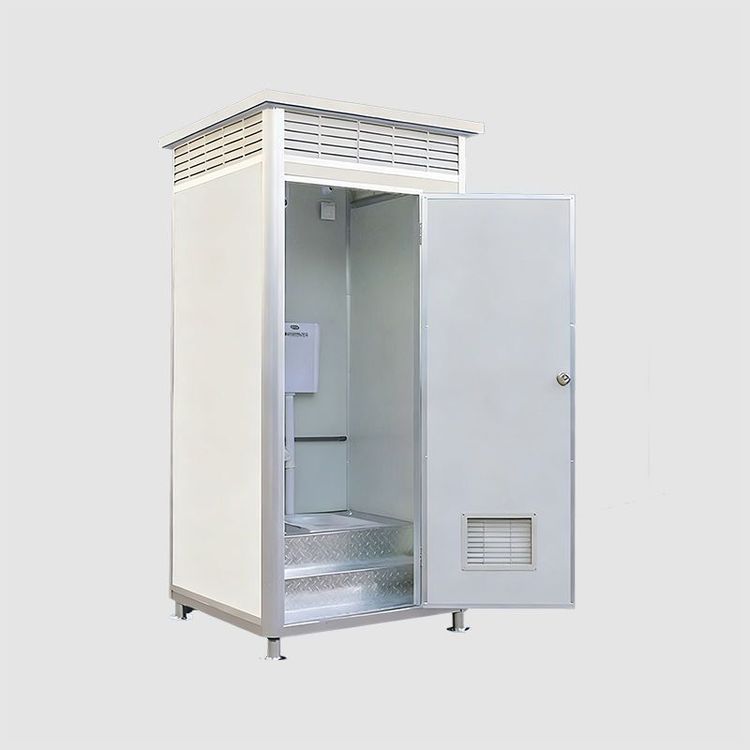
The materials used for mobile toilets directly affect construction difficulty and usage effectiveness. The mobile toilets from Henan Qiantong Environmental Protection Equipment Co., Ltd. are made of lightweight stainless aluminum steel, which is corrosion-resistant, lightweight, and easy to transport, making them suitable for scenarios requiring frequent movement. Their unitary structural design reduces on-site assembly workload, while characteristics such as low energy consumption and low operating costs reduce later maintenance pressure. For a more high-end appearance, options include the urban modern or antique-style products from Beijing Zhongjiehui Sanitation Equipment Co., Ltd., which may incorporate materials such as fiberglass and metal panels, requiring adjustments to construction techniques based on design requirements.
Customized Processing and Modular Design
Most companies offer customized processing services to meet differentiated needs. For example, Henan Qiantong can adjust toilet specifications based on the size of the construction site, while Beijing Zhongjiehui covers a range of product series to adapt to different scenarios. Modular design is key, with toilet bodies, sewage systems, ventilation equipment, etc., typically being independent modules that are assembled on-site through bolt connections or quick interfaces, shortening the construction period. Some high-end products also integrate intelligent control systems (such as automatic flushing and air purification), requiring the reservation of wiring interfaces during the construction phase.
Installation, Commissioning, and Acceptance Standards
After construction is completed, functional tests must be conducted, including stability of water and electricity connections, tightness of the sewage system, and ventilation effectiveness. For example, checking whether the flushing equipment is water-saving and free of blockages, whether the sewage pipes are effectively connected to municipal sewers or septic tanks, and whether the ventilation system can quickly eliminate odors. Additionally, it is necessary to ensure that the toilets comply with hygiene standards (such as non-slip floors and barrier-free design) and environmental protection requirements (such as达标 discharge of sewage).
Currently, publicly available information does not cover specific construction drawings or technical parameters, and actual construction requires flexible adjustments based on the installation manuals provided by the companies and on-site conditions.