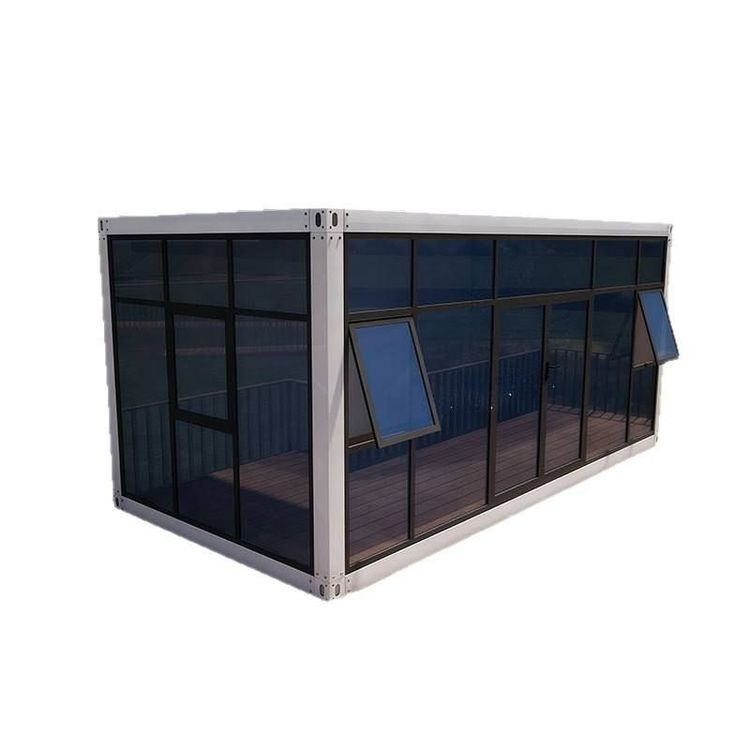
Sange Mobile Toilet
There is no direct authoritative definition or widely recognized specific reference for 'Sange Mobile Toilet'. Based on available information, it is speculated that it may be related to specific events or regional infrastructure issues.

Related Event: Controversy over Mobile Toilet Usage in the Suzhou Marathon
During the Suzhou Marathon on March 3, 2025, there was an incident of uncivil behavior where participants urinated in front of a school gate, despite the official mobile toilets being located less than 20 meters away. This incident reflects the contradiction between the placement of mobile toilets and actual usage needs. From the perspective of event organization, the layout of mobile toilets should fully consider the flow routes of participants, their toilet habits, and urgent needs. If the placement is unreasonable, such as being too hidden, too far from key areas, or insufficient in number, participants may choose to relieve themselves on the spot due to difficulty in finding a toilet or long waiting times. Although this incident did not directly mention 'Sange Mobile Toilet', it highlights the importance of managing mobile toilets in large-scale events, including reasonable planning of their location, quantity, and guidance signs, to ensure their effective functioning and prevent similar uncivil behavior.
Regional Infrastructure Issue: The Dilemma of Toilet Construction in India
India has invested 2.4 billion yuan in toilet construction, but due to chaotic management and poor quality, some toilets have been left unmaintained after construction and eventually turned into 'open-air cesspools'. Although this case does not explicitly refer to 'Sange Mobile Toilet', the term 'Sange' is often used as an informal nickname for India, possibly implying common issues in India's mobile toilet or public toilet construction. The failure of India's toilet project lies primarily in the lack of systematic planning and long-term maintenance mechanisms. During the construction phase, there may have been issues such as unreasonable fund allocation and inconsistent construction standards, resulting in substandard toilet quality. During the usage phase, the lack of professional maintenance teams, undeveloped resident usage habits, and the absence of supervision mechanisms led to rapid damage or abandonment of the toilets. This suggests that the promotion of mobile toilets should take into account both construction and maintenance, establishing a comprehensive system from planning and construction to post-construction management, while also strengthening public education to enhance usage willingness and protection awareness.