Russian Container Houses
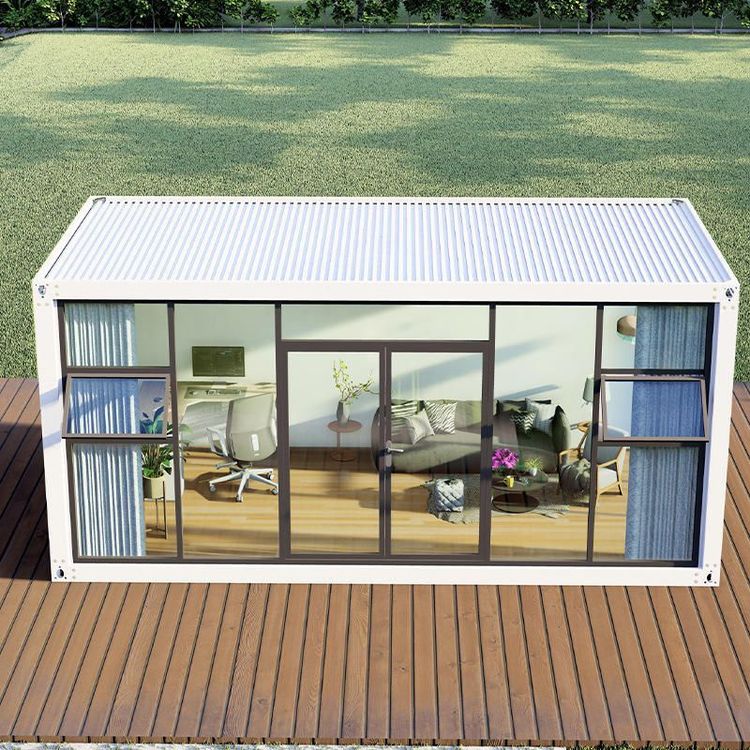
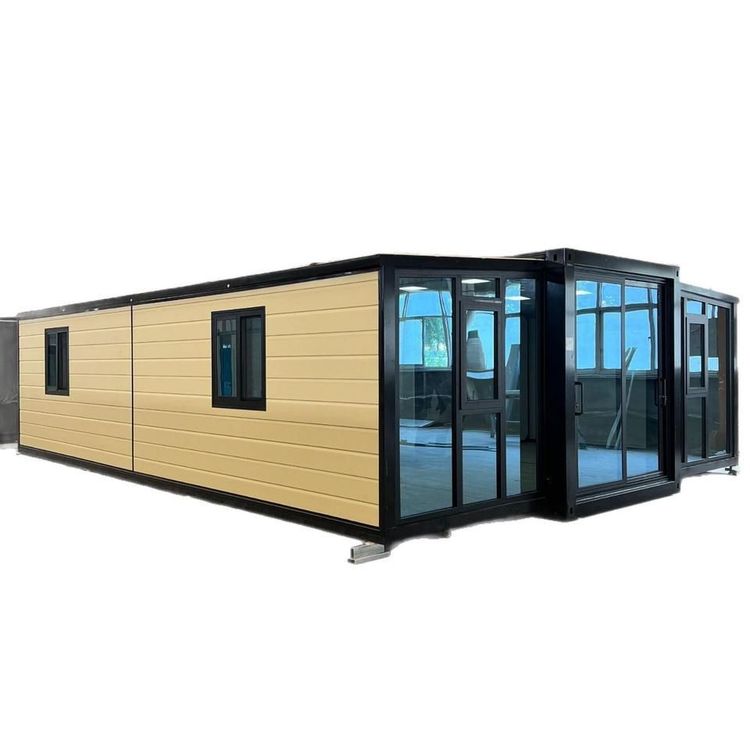
Russian container houses are applied in the cultural tourism and residential sectors with innovative designs and practical functions, featuring low costs, rapid construction, and unique styles.

Cost and Construction Advantages
Russian container houses use decommissioned containers as their base carriers, resulting in relatively low procurement costs. Taking the container house project in Priozersky, Russia, as an example, a single-story house built with two 40-foot shipping containers costs approximately $33,500 (about 230,000 RMB), significantly reducing overall renovation costs compared to traditional brick-and-mortar guesthouses. Meanwhile, the construction period for container houses is relatively short, with a single container typically requiring only 15 to 30 days for renovation, much faster than the 3 to 6 months needed for traditional guesthouses. Most of the renovation work is completed in factories, with only foundational setup and utility connections required on-site, greatly shortening the time from project planning to opening.
Design and Functional Features
Container houses undergo standardized renovations to provide accommodation functions. During renovation, containers are treated for corrosion resistance, cut to create windows and doors, and fitted with insulation layers (such as rock wool or extruded polystyrene boards), along with complete facilities including bathrooms, bedding, and furniture, achieving a combination of industrial exteriors and cozy interiors. To meet diverse needs, multiple containers can be joined, stacked vertically or horizontally, to create large spaces like duplexes or lofts. For example, the Himik apartment hotel in Russia is made from 20-foot shipping containers, with houses featuring one or two floors and balconies, equipped with everything needed for long-term stays.
Unique Style and Experience
Container houses inherently possess a strong industrial aesthetic, with exposed container structures and metallic exteriors that, when paired with elements like graffiti, greenery, and lighting, easily create popular photo spots. Many guesthouses also retain original container markings, locks, and other details to enhance the thematic experience, satisfying tourists' desires for niche and personalized accommodations. For instance, the "Snoozebox Football Village" built for World Cup fans in Saransk offered a distinctive住宿 (accommodation) experience through its unique container designs.