Container House Solution: What to Know Before You Buy
Before purchasing a container house solution, it is essential to consider six aspects: type and purpose, material durability, customization and assembly, cost, environmental friendliness, and specific product details.

1. Type and Purpose
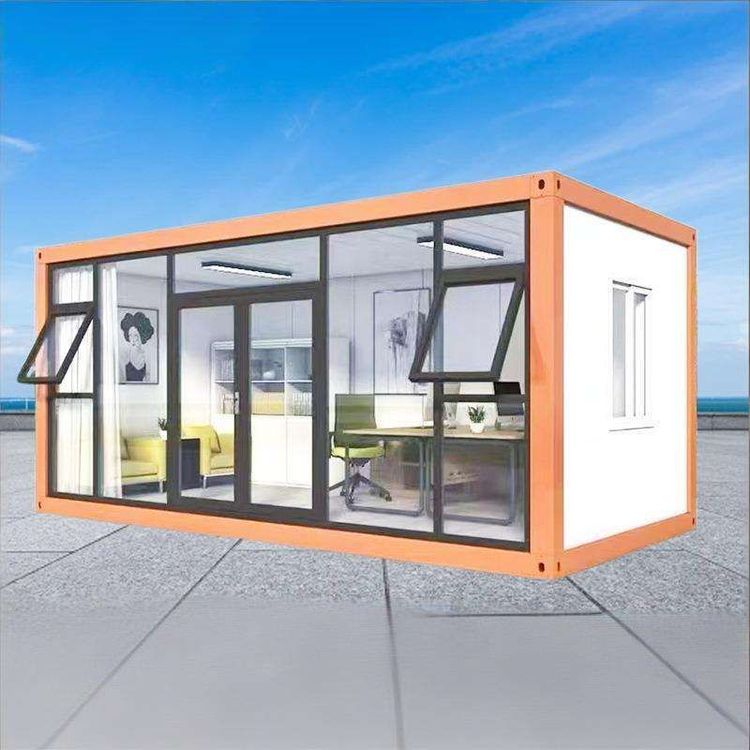
Container houses can be either single-container modifications or multi-container combinations, available in both prefabricated and custom forms. Their core advantages include low cost, easy material acquisition, and strong sustainability, allowing for personalized needs through the addition of expandable rooms and high-end decorations. For example, multi-container拼接 (splicing) can create multi-story residences, while single-container modifications are suitable for temporary offices or vacation cottages.
2. Material and Durability
The main body of container houses is made of weathering steel (Corten steel), which features corrosion resistance and extreme weather endurance, requiring minimal daily maintenance. This material typically has a lifespan exceeding 25 years, two to three times that of traditional building materials, making it particularly suitable for harsh climates or coastal areas. However, cutting or welding modifications may damage the steel's anti-corrosion coating, requiring additional treatment.
3. Customization and Assembly
Container houses support rapid assembly, with some foldable models (such as 40-foot luxury foldable container houses) capable of being unfolded within hours and boasting a lifespan of 30-40 years. Customization options include color, window and door placement, and interior layout, though complex designs may extend delivery times and increase costs.
4. Cost Considerations
Although the base price is lower than that of traditional houses, customization level, decoration standards, and transportation distance significantly impact the total cost. For example, high-end interiors, smart systems, or special foundation treatments may increase the budget by 30%-50%. It is advisable to define a budget range, prioritize core needs (such as insulation and utilities), and then upgrade gradually.
5. Environmental Friendliness Assessment
The environmental friendliness of container houses depends on container source, construction methods, and energy efficiency. Using retired containers reduces carbon emissions from steel production; however, new containers may diminish this environmental advantage. Additionally, adopting 50mm EPS sandwich panels (as seen in some foldable container houses) enhances thermal insulation, reducing long-term energy consumption.
6. Specific Product Details
Take a 40-foot foldable container house as an example: its main body is made of galvanized steel, with wall panels and roofs featuring 50mm-thick EPS sandwich panels. It measures 5950×2450×2800mm and supports color customization. These details directly affect the house's thermal insulation, fire resistance, and space utilization, necessitating the selection of appropriate specifications based on usage scenarios (e.g., thicker insulation layers for extremely cold regions).