Russian Container Mobile House
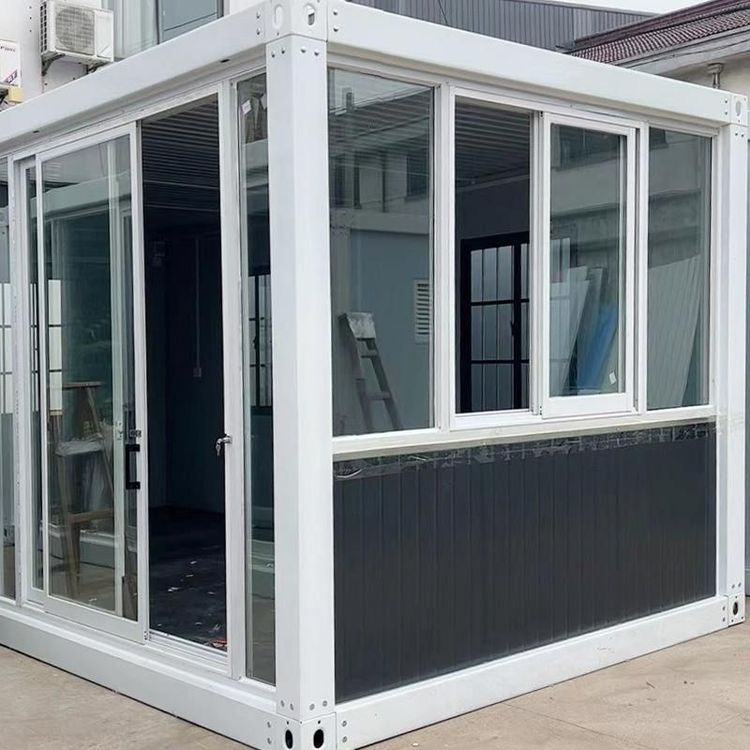
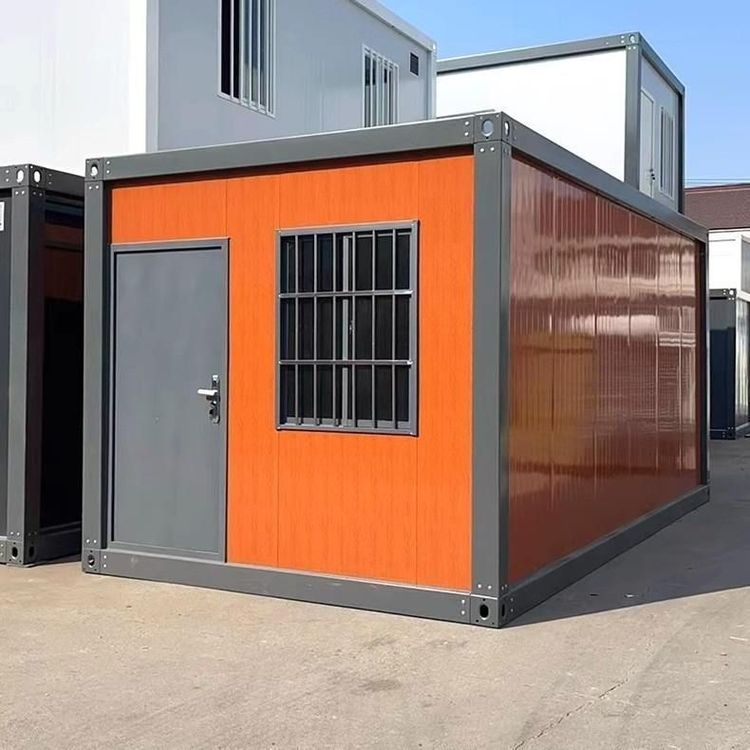
The Russian container mobile house is a movable residential building transformed from a shipping container, featuring high cost-effectiveness, easy construction, and simple approval processes, with a significant increase in demand in the Russian market.

I. Basic Structure and Cost
Take the container house project in Priozersky, Russia, as an example. Built by the builder MSD on the edge of Sukhodolskoye Lake, the house uses two 40-foot shipping containers, which are preset in the factory and then transported to the local site for assembly and reinforcement. The roof of the house has been raised, and an open terrace has been built, with a total cost of approximately $33,500, equivalent to about 230,000 yuan. The total usable area on the ground floor is 50.49 square meters, with an internal layout including three bedrooms, a living room, a kitchen, a corridor, a shared bathroom, a toilet, and a terrace, among other functions, which are relatively complete.
II. Reasons for the Growth in Market Demand
- Rising Construction Costs: Traditional residential property prices in Russia continue to rise, with the average price of medium-sized traditional units generally increasing by 300,000 to 500,000 rubles within six months. At the same time, the prices of local building materials have soared, with brick prices nearly doubling since 2020, and the costs of various traditional building materials remaining high, raising the threshold for new house construction and making it difficult for ordinary people to purchase or renovate and expand their homes.
- Policy Advantages: Russia classifies container buildings as non-permanent structures, falling under the category of ancillary buildings, eliminating the need for complex building permits and approval processes, reducing the time and procedural costs of construction and implementation.
- Price Advantages: The price of a basic container is only about 140,000 rubles, and the price of a finished modular house with fine decoration is also only between 900,000 and 1.5 million rubles, significantly lower than the cost of traditional residential construction, making it suitable for the consumption capacity of ordinary people.
III. Development Opportunities
The strong local demand, combined with the convenience of cross-border logistics between China and Russia, has created excellent opportunities for China's prefabricated houses and modular buildings to go global. The continuous improvement and upgrading of logistics channels along the China-Russia border, the efficient operation of the Manzhouli railway and highway ports, and the multifunctional railway hub at the Blagoveshchensk land port, which will be officially put into use in 2026, all provide solid guarantees for the export of container modular houses.