Rural People Live in Container Houses
Rural people need to be cautious when living in container houses, as they must meet various conditions such as legality, safety, and planning. Details are as follows:

Legality: The core of whether a container mobile house is an illegal construction lies in whether it meets the 'three elements'. Firstly, the land nature must be compliant. Rural homesteads belong to collective construction land. If used for residential or commercial purposes, it must be ensured that the land nature is a homestead or that approval for the conversion of agricultural land has been obtained. Unauthorized occupation of cultivated land for construction will face the risk of demolition. Moreover, homesteads must pass the 'one household, one homestead' approval, and the area must not exceed local standards. If used for non-residential purposes, separate application for collective commercial construction land indicators is required. Secondly, planning approval must be in place. If used as a permanent building, it must be included in the rural construction plan. Rural houses should generally not exceed 3 floors, with a floor height not exceeding 3.3 meters. If used as a temporary building, some regions allow exemption from planning permits for 1 - 2 years, but self-demolition is required after the expiration of the use period. Thirdly, the construction standards must be met, satisfying structural safety and fire protection requirements. Container mobile houses used for residence must use Class A fire-resistant materials, and the building area of each unit must not exceed 300 square meters.
Safety: Illegally modified container houses for residence are fraught with hidden dangers. Most of these containers are built with flammable and combustible sandwich panels, with non-compliant fire resistance ratings. Once a fire breaks out, the flames spread rapidly, easily producing toxic smoke and making escape difficult. There are widespread issues such as unauthorized wiring, mixed use of high-power electrical appliances, and the use of bottled gas indoors, posing prominent risks of electric shock and fire. Some containers illegally occupy collective land and rural roads, blocking fire exits, which not only constitutes illegal construction but also frequently triggers neighborhood disputes.
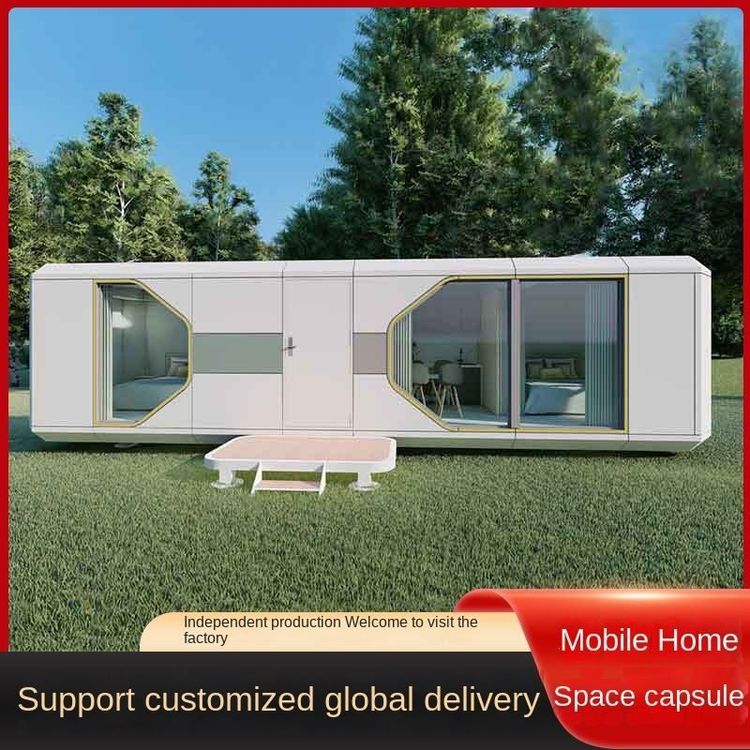
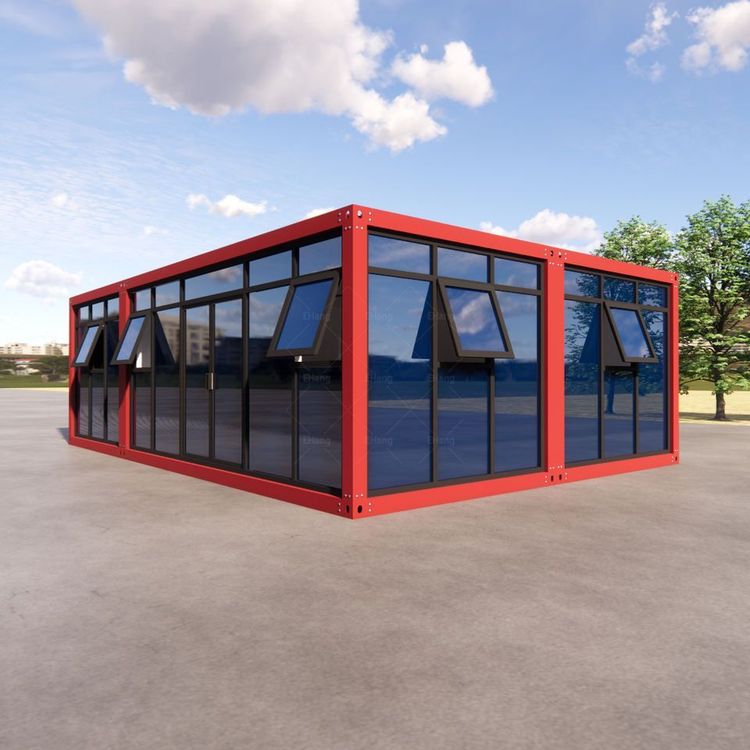
Planning and Aesthetics: Some containers are illegally stacked and appear dilapidated, damaging the village's appearance and being detrimental to the construction of a beautiful rural area. However, with reasonable planning and design, container houses can also be aesthetically pleasing, in line with rural aesthetics, and the internal layout can be designed at will.