
Water Connection for Rural New-Type Mobile Toilets
Rural new-type mobile toilets can be used after water connection, and their water connection methods and usage characteristics are as follows:
Water Connection Methods
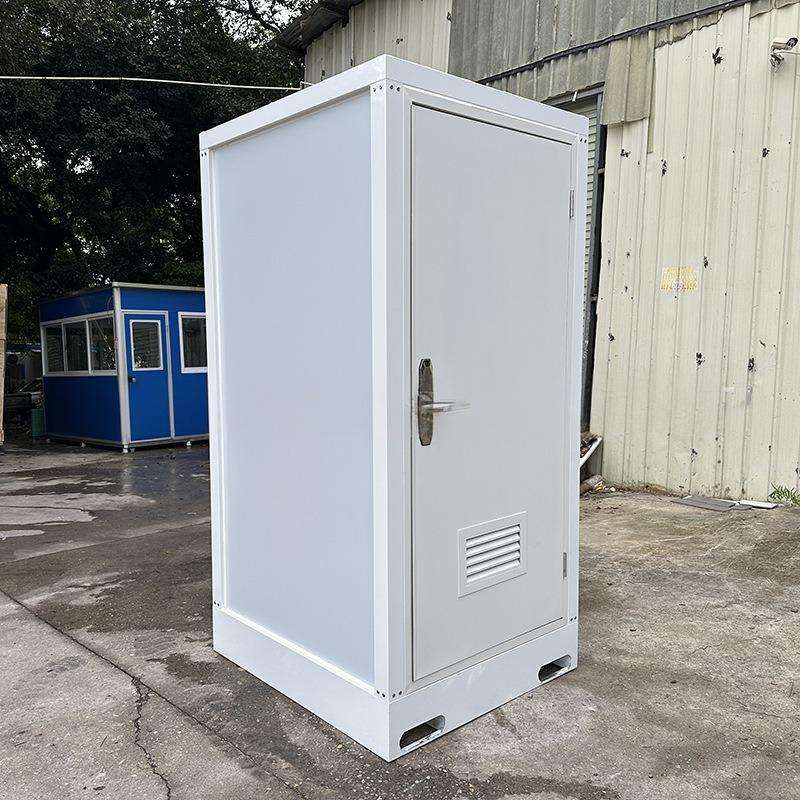
The water connection operation for rural new-type mobile toilets is relatively simple. For simple small toilets, during on-site installation, simply connect a water pipe of the appropriate specification to the toilet's water inlet port, and connect the other end to a stable water source, such as a tap water pipeline or well water that has been purified and meets hygiene standards. This ensures a continuous and stable water supply to meet the toilet's daily water needs, such as for hand-washing basins and toilet flushing.
The same applies to integrated shower toilets in rural self-built houses, which combine bathing and toilet functions. During installation, the water connection step is crucial. Connect the water pipe accurately to the toilet's preset water inlet port to ensure unobstructed water flow. Due to the richer functions and relatively larger water consumption of this type of toilet, there are certain requirements for the stability and quality of the water supply. It is necessary to ensure that the water source can meet the simultaneous use of bathing and toilet functions, avoiding issues such as water shortages or poor water quality that could affect the user experience and hygiene conditions.
Usage Characteristics
After water connection, rural new-type mobile toilets can fully leverage their well-equipped advantages. Taking simple small toilets as an example, the built-in hand-washing basin can be used normally, facilitating users in cleaning their hands and maintaining personal hygiene. The exhaust fan and lighting can also operate normally, with the exhaust fan promptly removing odors from the toilet to keep the air fresh, and the lighting providing sufficient light for nighttime use.
After water connection, the integrated shower toilet in rural self-built houses enables the bathing function, providing rural residents with more comfortable and convenient bathing conditions. At the same time, the toilet function can also operate normally. Its characteristics of not requiring brick walls or civil engineering make it suitable for rural courtyard renovations, saving construction costs and time. Moreover, its high mobility allows for position adjustments according to actual needs, enhancing usage flexibility. Whether it is a simple small toilet or an integrated shower toilet, water connection brings great convenience to the daily lives of rural residents, improving rural hygiene conditions and quality of life.



