
Rural Mobile Toilets in Wenxi
Currently, there is no specific information disclosure regarding rural mobile toilets in Wenxi County, but their suitable scenarios and possibilities can be inferred through toilet renovation models and technological references.
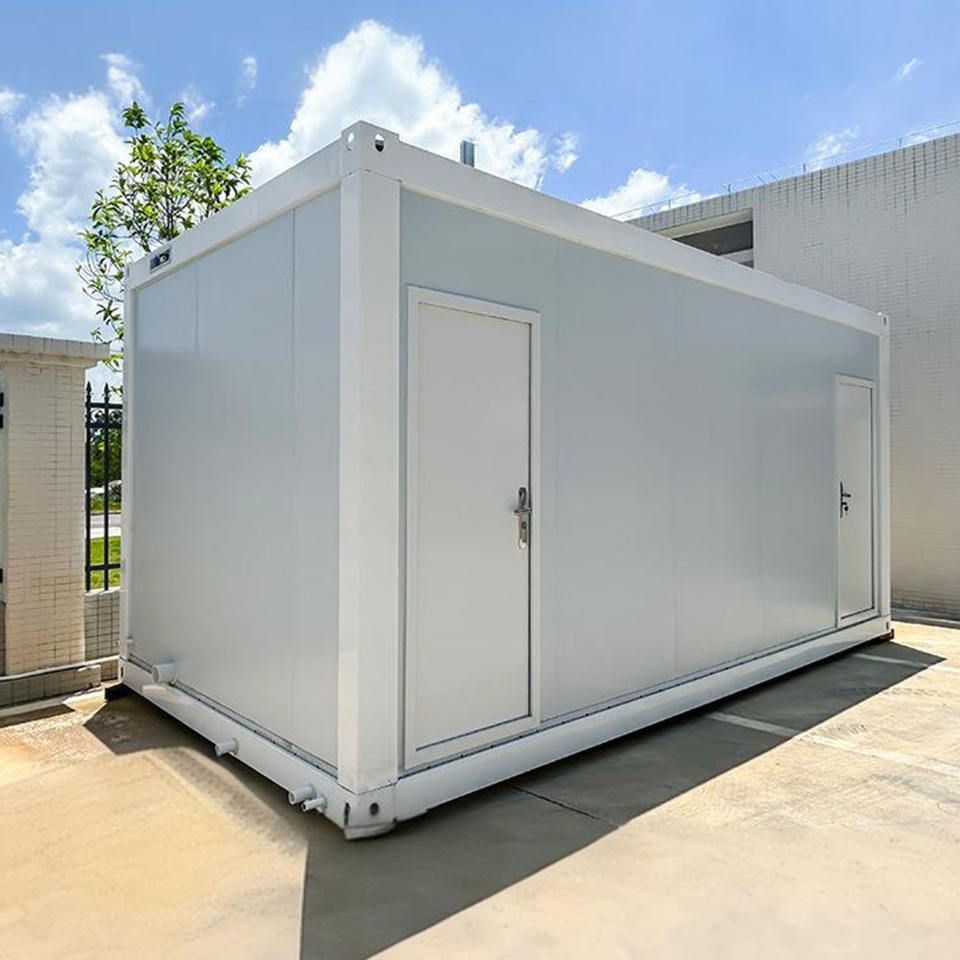
I. Potential Suitability in Wenxi County's Rural Toilet Renovation Models According to the 2024 implementation plan for rural household toilet renovation in Wenxi County, the renovation models include the self-construction (self-renovation) type by farmers. This model provides policy space for the introduction of mobile toilets: farmers can choose mobile toilets as their toilet renovation solution based on their own needs, especially in areas with complex geological conditions, high construction costs for traditional toilets, or significant construction difficulties. For example, in mountainous or hilly regions, due to terrain limitations, it is difficult to excavate traditional septic tanks. The modular design of mobile toilets can circumvent such issues and reduce construction costs. Additionally, the self-construction model allows for flexible selection of toilet types, and the portability of mobile toilets can meet the needs of some farmers for temporary or movable sanitation facilities.
II. Technological Reference: The Application Value of Experience from the Xingtai Region The waterless mobile toilet technologies promoted in rural and farmland operation areas in the Xingtai region (such as packing technology and the agricultural machinery + sanitary ware manufacturing route) provide direct references for Wenxi County. Packing mobile toilets collect excrement using biodegradable materials and do not require a flushing system, making them suitable for rural areas with scarce water resources or lacking sewage pipe networks. The agricultural machinery + sanitary ware manufacturing route utilizes the modular design of agricultural machinery to integrate the toilet body with the fecal storage device, facilitating transportation and installation. These technologies can address two major pain points in rural toilet renovation in Wenxi County: first, traditional toilets require supporting septic tanks and sewage pipe networks, but some villages have weak infrastructure; second, the maintenance-free nature of mobile toilets can reduce later-stage operation and maintenance costs, meeting the actual needs of rural areas.
III. Suitable Scenarios in Whole-Village Promotion Projects The toilet renovation task in Wenxi County involves a whole-village promotion project covering 1,500 households, and mobile toilets may play a supplementary role in such projects. For example, in tourist villages or areas with a concentration of agritainment businesses, mobile toilets can meet the temporary needs of tourists and avoid the damage to the landscape caused by the construction of traditional toilets. In villages with short construction periods and a need for rapid toilet renovation completion, the modular installation of mobile toilets can shorten the construction duration. Additionally, for farmers living in a dispersed manner, the portability of mobile toilets can solve the problem of insufficient coverage by traditional toilets and improve the popularity of sanitation facilities.



