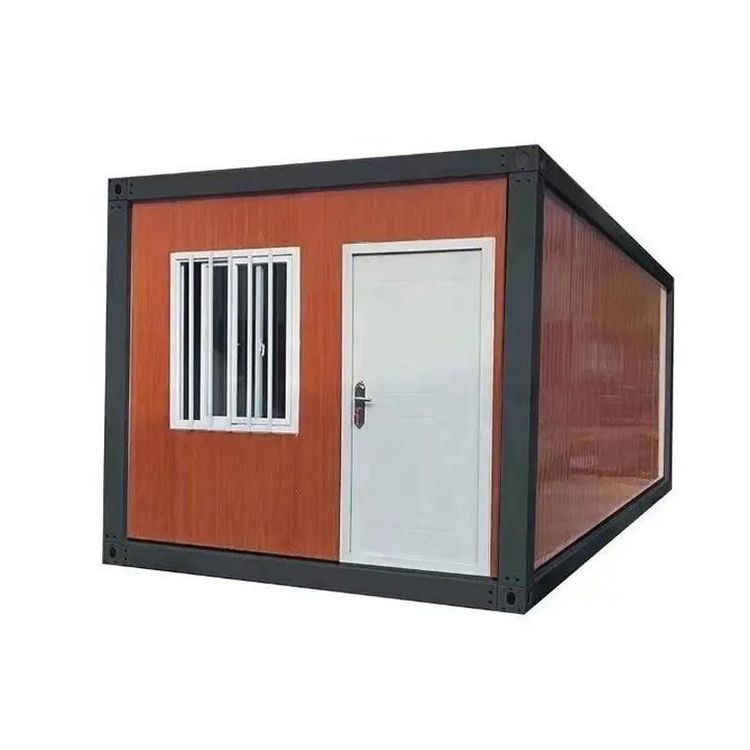
Rural Mobile Toilet with Insulation
Rural mobile toilets can be equipped with insulation functions, especially suitable for cold regions such as Northeast China, effectively solving the problem of freezing and blockage in winter and ensuring normal use.

Insulation Measures and Material Selection
The insulation design of rural mobile toilets mainly focuses on walls, doors and windows, and internal systems. Wall insulation is a core aspect, typically employing a composite structure:
- Material Selection: Priority is given to high-efficiency insulation materials such as polyurethane foam, extruded polystyrene boards, or rock wool. Among them, polyurethane foam, with its low thermal conductivity and strong sealing properties, can simultaneously achieve insulation and anti-condensation effects, making it particularly suitable for extreme low-temperature environments. Extruded polystyrene boards and rock wool offer advantages in terms of lower cost and ease of construction, but their sealing properties are slightly inferior.
- Structural Standards: Some products adopt the “4+ standard” wall, which involves filling the interior with a 4-centimeter-thick insulation layer and combining it with external metal or plastic panels to form an insulating sandwich, effectively blocking heat loss.
Door and Window Configuration is also crucial:
- The entrance doors are mostly made of thickened titanium-magnesium alloy materials, paired with special locks, ensuring structural strength while reducing cold air infiltration.
- The handwashing area employs enclosed designs or local insulation layers to reduce heat loss and maintain stable internal temperatures.
Applicable Scenarios and Effect Verification
In rural areas of Northeast China, winter temperatures often drop below minus 30 degrees Celsius. Traditional dry toilets cannot be used due to frozen feces and blocked pipelines, while insulated mobile toilets solve these problems through the following mechanisms:
- Septic System Anti-Freezing: The insulation layer wraps around the septic tank and surrounding pipelines, maintaining internal temperatures above 0 degrees Celsius to ensure microbial activity and normal decomposition of excreta.
- Flush System Unobstructed: Electric tracing tapes or insulation sleeves are installed on the outer layers of water pipes to prevent water from freezing, ensuring the flush function is available at any time.
- Actual Cases: Field tests have shown that such toilets can operate stably in environments as cold as minus 35 degrees Celsius. Users do not need to frequently remove ice or perform maintenance, significantly improving winter usability.
Mainstream Manufacturers and Product Recommendations
Currently, several companies have launched standardized insulated mobile toilet products, such as:
- Dezhou Hongtu Metal Products Co., Ltd.: Offers polyurethane foam-walled toilets, supporting custom sizes and functional modules.
- Shenyang Jintongchuang Transportation Facilities Engineering Co., Ltd.: Focuses on titanium-magnesium alloy doors combined with extruded polystyrene board insulation, suitable for the climate in Northeast China.
- Qufu Tianhe Plastic Products Co., Ltd.: Develops rock wool-insulated toilets, which are cost-effective and suitable for large-scale deployment.
Users can select models that meet local standards based on their budget, number of users, and installation environment, and request manufacturers to provide low-temperature test reports to ensure performance compliance.