How Does Indoor Mobile Toilet Dispose of Sewage
The sewage disposal methods for indoor mobile toilets mainly include direct discharge with fecal tanks, conventional water-flushing, vacuum sewage systems, and water-storage sewage systems.

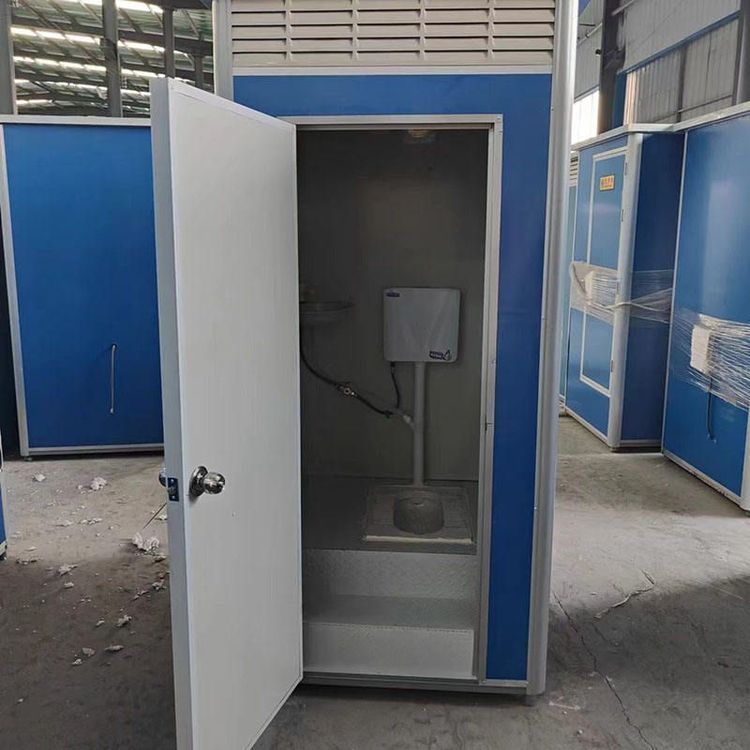
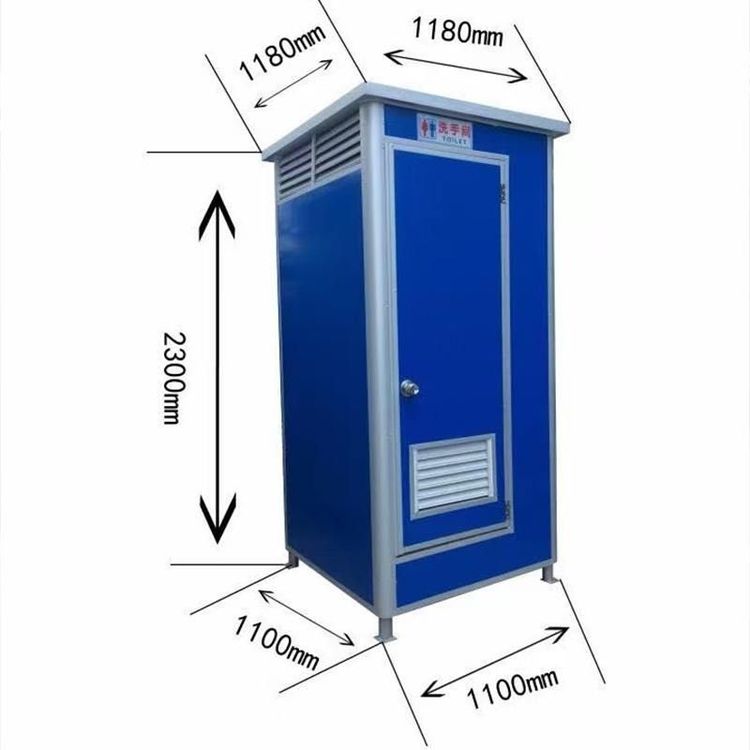
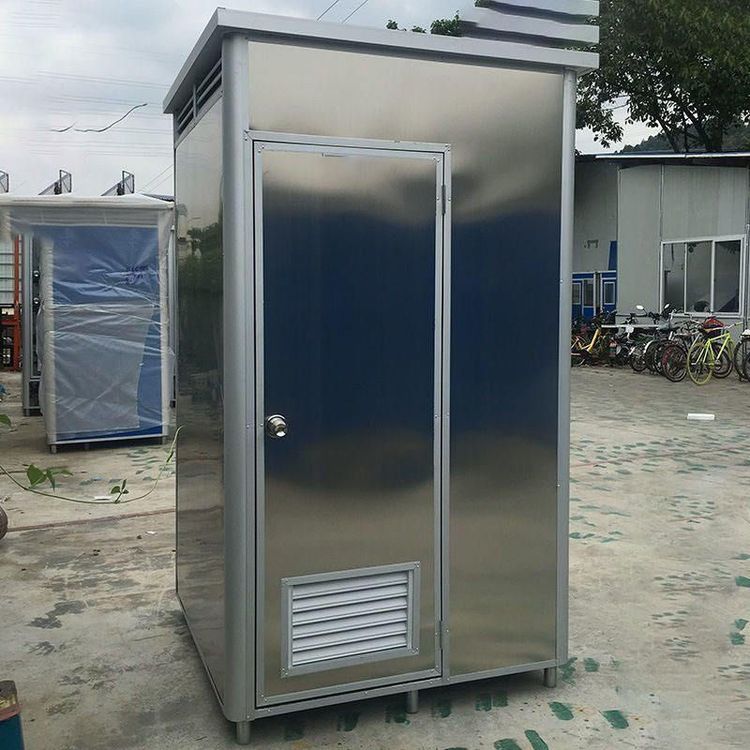
Direct Discharge with Fecal Tanks: This is a relatively common sewage disposal method for mobile toilets. Some mobile toilets are made of color-coated steel plates and are equipped with squatting pans, washbasins, and exhaust fans. The direct discharge method requires connecting to upper and lower water pipes to directly discharge sewage through the pipes. This method relies on a well-established upper and lower water pipe system and is suitable for places with corresponding pipe facilities. The fecal tank collects feces and other waste in a specific fecal tank. When the fecal tank is nearly full, it needs to be manually removed for cleaning and transportation. This method is relatively flexible and is not restricted by upper and lower water pipes, but it requires regular cleaning of the fecal tank.
Conventional Water-Flushing: This is the most common sewage disposal method. It also requires connecting to upper and lower water pipes and controls flushing manually or through automatic sensors. After use, pressing the flush button or when the human body leaves the sensing area, water automatically flushes out, carrying waste into the sewer pipes. The sewage is ultimately discharged into septic tanks or municipal sewer networks. This sewage disposal method is suitable for various water-rich environments, has relatively low construction costs, and can effectively maintain toilet cleanliness and hygiene, but it requires a stable supply of upper and lower water.
Vacuum Sewage System: This system uses negative pressure principles for sewage disposal. A vacuum pump generates negative pressure to suck sewage and waste into a collection container. When the sewage in the public toilet reaches a preset water level, the vacuum pump automatically starts and quickly sucks the sewage and waste into the collection container. This discharge method is efficient, uses less water, effectively prevents sewage leakage and odor diffusion, and maintains public toilet cleanliness and hygiene. However, its equipment costs are relatively high, and it is suitable for places with high hygiene requirements and certain economic strength.
Water-Storage Sewage System: This method flushes waste into a water storage tank through water flushing. When the sewage in the public toilet reaches a preset water level and the water storage tank is full, it needs to be cleaned and replaced. It is suitable for places with sufficient water sources and easy cleaning, such as some large-scale event venues, where there is an adequate water supply and it is convenient to transport the water storage tank filled with waste for disposal.