Rural Mobile Toilet
A rural mobile toilet is a movable, flexible, and sanitary toilet facility. It is introduced from multiple aspects below:
I. Basic Structure and Configuration
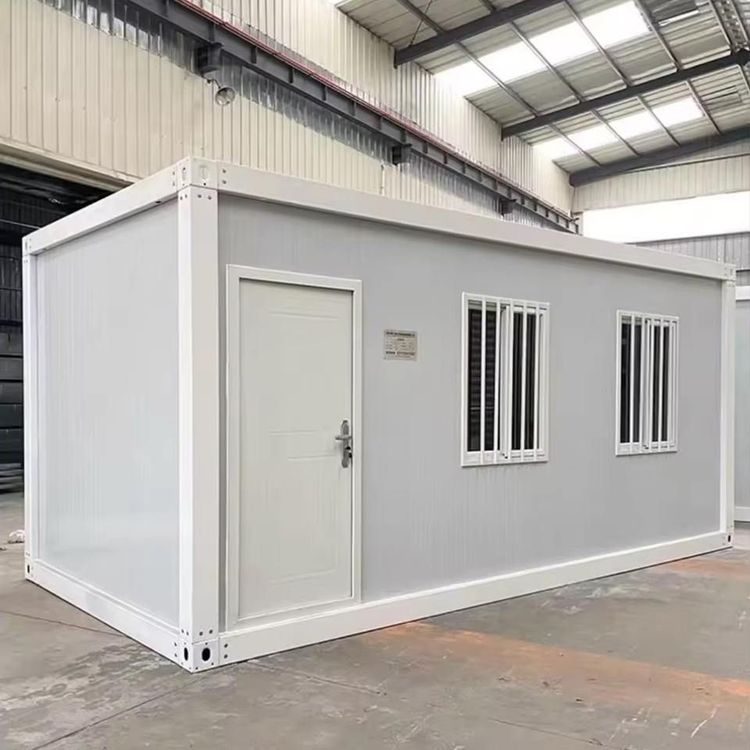
Rural mobile toilets are usually made of steel or plastic, with a sturdy yet lightweight main structure that is easy to transport. The basic internal configurations include a squat toilet and a flush tank. Some high-end models are also equipped with a washbasin, lighting, and even shower functions. For example, the products of Henan Hemai Industrial Co., Ltd. are processed using color-coated steel plates or metal carved plates, with specifications of 110011002300. They are suitable for use in temperature ranges from -35℃ to 100℃ and operate on a voltage of 220V, meeting the usage needs under different climatic conditions.
II. Price and Material Selection
Prices vary significantly depending on the configuration, ranging from several hundred yuan to several thousand yuan. Taking the 2-unit/3-unit waterless packing toilets of Henan Hemai Industrial Co., Ltd. as an example, the unit price is 1500 yuan (for 1-49 sets), and bulk purchases (50 sets or more) can be reduced to 1200 yuan. In terms of materials, color-coated steel plates and metal carved plates have become mainstream choices due to their corrosion resistance and anti-aging properties, with a service life of over 10 years, suitable for long-term outdoor use.
III. Installation and Site Selection Requirements
Installation must meet two core conditions:
- More than 30 meters away from water sources: To avoid contaminating water sources and ensure the independent operation of the flushing system;
- Elevated terrain: To prevent rainwater backflow and ensure the normal operation of septic tanks or water storage facilities.
The installation process is simple and can be completed by two people working together in half a day, without the need for complex foundation treatment, making it suitable for rapid deployment in rural areas.
IV. Sanitary and Environmental Advantages
Mobile toilets have completely solved three major problems of traditional dry toilets:
- Mosquito breeding in summer: The enclosed design blocks the spread of odors and reduces the breeding of flies and mosquitoes;
- Difficulties in use in winter: Some models are equipped with insulation layers and heating equipment to ensure normal use in low-temperature environments;
- Poor sanitary conditions: The flushing system or waterless packing technology enables the harmless treatment of feces. For example, three-chamber septic tanks can achieve wastewater recycling (as in the case of Shuyang, Jiangsu).
In government promotion projects, some areas have also installed water heaters to further enhance the user experience (as in the case of Shitai County, Anhui).
V. Typical Application Cases
In Shitai County, Anhui, the government provided full subsidies for the installation of mobile toilets, and villagers reported that they no longer had to go to dry toilets in the dark at night. In Shuyang, Jiangsu, the three-chamber septic tank technology was adopted to achieve the resource utilization of feces and reduce environmental pollution. These cases demonstrate that mobile toilets not only improve personal sanitary conditions but also promote the modernization of rural environmental governance.