
Rural Mobile Toilet Repair
For the repair of rural mobile toilets, you can refer to the following solutions. Choose the appropriate method according to the type of fault and pay attention to maintenance details:
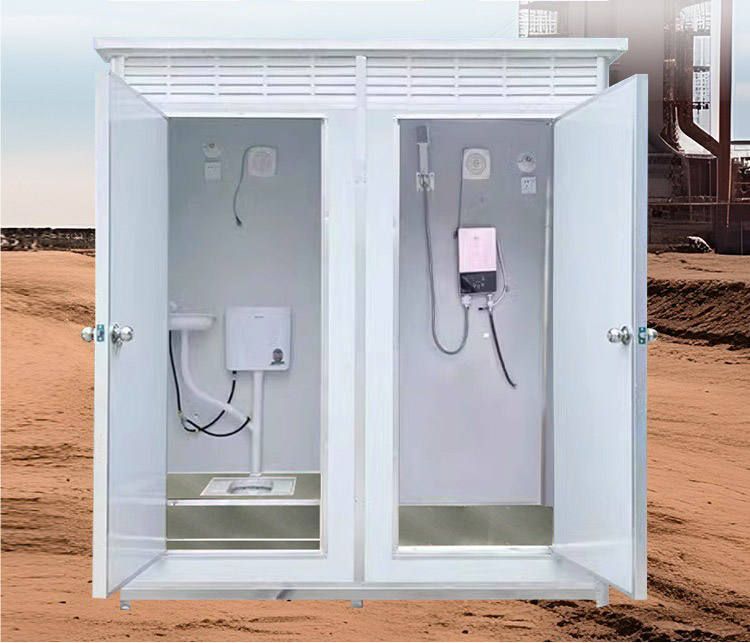
I. Selection of Repair Methods
Self-repair
Suitable for minor faults such as water leakage and blockage. For example, use a plunger to deal with pipeline blockages and install anti-blocking nets to reduce the entry of foreign objects. If there are minor cracks in the toilet body, special plastic welding materials can be used for repair. Be sure to operate safely to avoid damaging other components.Contact the Manufacturer for Repair
If the toilet is still within the warranty period or the manufacturer provides after-sales service, contact the manufacturer first. Manufacturers usually have professional tools and technicians, ensuring high-quality repairs, especially for faults in complex systems such as automatic induction flushing devices.Professional Repair Agencies
If you have no experience in repair or fail to handle it yourself, you can contact professional agencies in urban areas or towns. Remote areas may be restricted due to insufficient service coverage, so confirm in advance whether the agency can reach the site.Collaborative Community Repair
In rural communities, you can organize villagers to jointly identify problems and formulate solutions. For example, collectively purchase repair materials or divide the work to handle different faults. This approach can reduce individual costs and enhance community cohesion.
II. Key Component Maintenance Points
Overall Structure and Appearance
- Toilet Body: Use plastic welding for minor cracks. For severe deformation, replace the components (the cost is approximately several hundred to a thousand yuan).
- Door Locks and Hinges: Apply lubricating oil regularly. Replace the entire lockset when the lock spring fails.
- Ventilation Openings: Check and clean leaves, dust, or insect nests monthly to ensure air circulation.
Sanitation System and Flushing Devices
- Manual/Foot-operated Flushing Valves: Close the inlet valve and then disassemble the valve body. Clean the scale and replace the aging sealing rings or springs. Replace the entire valve body if it is broken.
- Automatic Induction Devices: First, check the battery level and whether the infrared window is blocked. If the fault persists, it may be due to damage to the control motherboard or solenoid valve, requiring professional repair.
- Water Storage Tanks and Pipelines: Use waterproof tape for minor leaks. Replace the tank directly if there are large cracks.
Waste Disposal System
For packing-type toilets, if the packing is incomplete, check whether the mechanical arm or sensor is stuck, clean the residues, and adjust the sensitivity of the device.
III. Preventive Measures
- Clarify Repair Terms During Purchase: Choose reputable manufacturers and require them to provide long-term spare parts supply and technical support.
- Regular Maintenance: Establish a community maintenance system, such as inspecting the toilet body, flushing valves, and ventilation openings quarterly.
- User Education: Guide villagers through publicity to use the toilets correctly, avoiding the disposal of hard objects or excessive use of chemical cleaners.



