
Regulations on Rural Mobile Toilets
The regulations on rural mobile toilets mainly cover five aspects: construction principles, technological models, facility configurations, maintenance management, and planning safeguards, and must comply with the general specifications for rural public toilets. Details are as follows:
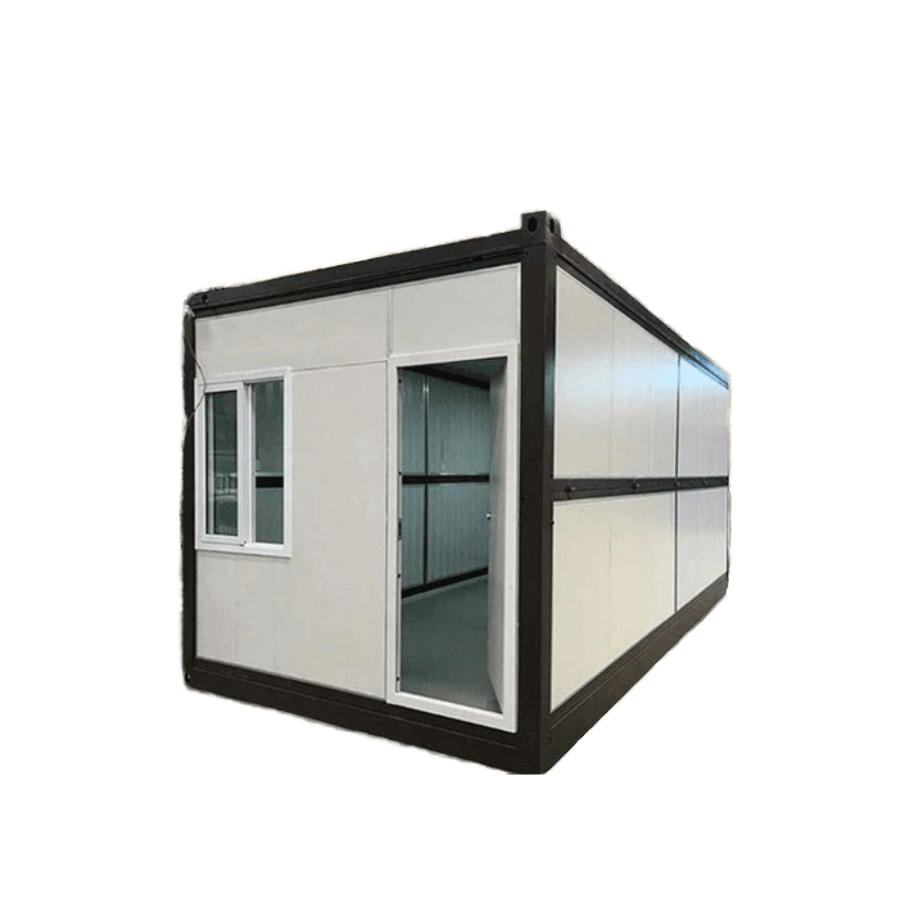
1. Construction Principles
The construction of rural mobile toilets should adhere to the principle of "construction based on need and scientific layout" to avoid blind construction or resource waste. In areas with low population mobility or planned adjustments, such as "hollow villages" and villages slated for relocation or consolidation, simple or movable toilets can be prioritized to temporarily meet sanitation needs. Site selection should consider the rationality of service radius, harmonize with the overall village appearance, and be included in the scope of rural public infrastructure land protection to ensure land legality.
2. Selection of Technological Models
It is encouraged to adopt ecological, environmentally friendly, low-cost, and easy-to-maintain technological models, prioritizing the use of new water-saving, energy-saving, freeze-resistant, and odor-removing technologies and materials. The design of mobile toilets should comply with local technical specifications. For example, the principles for household toilet construction proposed in Hunan Province's local standards can be used as a reference to ensure technological applicability and safety.
3. Facility Configuration Requirements
- Basic Functions: They should be equipped with ventilation and odor control, lighting, and mosquito and fly control facilities, and adopt water-saving and freeze-resistant measures to adapt to different climatic conditions.
- Fecal Waste Treatment: Fecal waste should be treated through enclosed septic tanks or connected to sewage treatment facilities to avoid direct discharge causing environmental pollution.
- Signage System: Uniform and eye-catching signs should be set up, complying with the "Standard for Environmental Sanitation Graphic Symbols" (CJJ/T 125), for easy identification and use.
- Barrier-Free Design: Barrier-free facilities should be configured according to actual needs to ensure the convenience of use for special groups.
4. Maintenance Management Specifications
- Daily Cleaning: Establish a system of regular cleaning and disinfection by dedicated personnel to ensure a clean and odor-free toilet environment.
- Supervision Mechanism: Develop an assessment and satisfaction survey mechanism, with the village committee supervising the maintenance situation to form a long-term management closed loop.
- Relocation Handling: When mobile toilets are demolished or relocated, fecal waste should be properly handled to avoid secondary pollution and ensure ecological safety.
5. Planning Safeguard Measures
Mobile toilets should be included in the rural public infrastructure planning system, with clear land use nature and construction standards. Specific implementation should be combined with the "Five-Year Action Plan for the Improvement of Rural Living Environment" and local technical guidelines to ensure policy alignment and implementation.
Currently, no independent standard document specifically targeting mobile toilets has been issued. Their construction and management need to comprehensively refer to the general specifications for rural public toilets and local technical requirements to achieve efficient resource utilization and environmental sustainability.



