
How to Prevent Moisture in Rural Mobile Toilets
Moisture prevention in rural mobile toilets can be achieved through the use of moisture-resistant materials, proper installation measures, ventilation maintenance, and daily upkeep. Here are the specific methods:
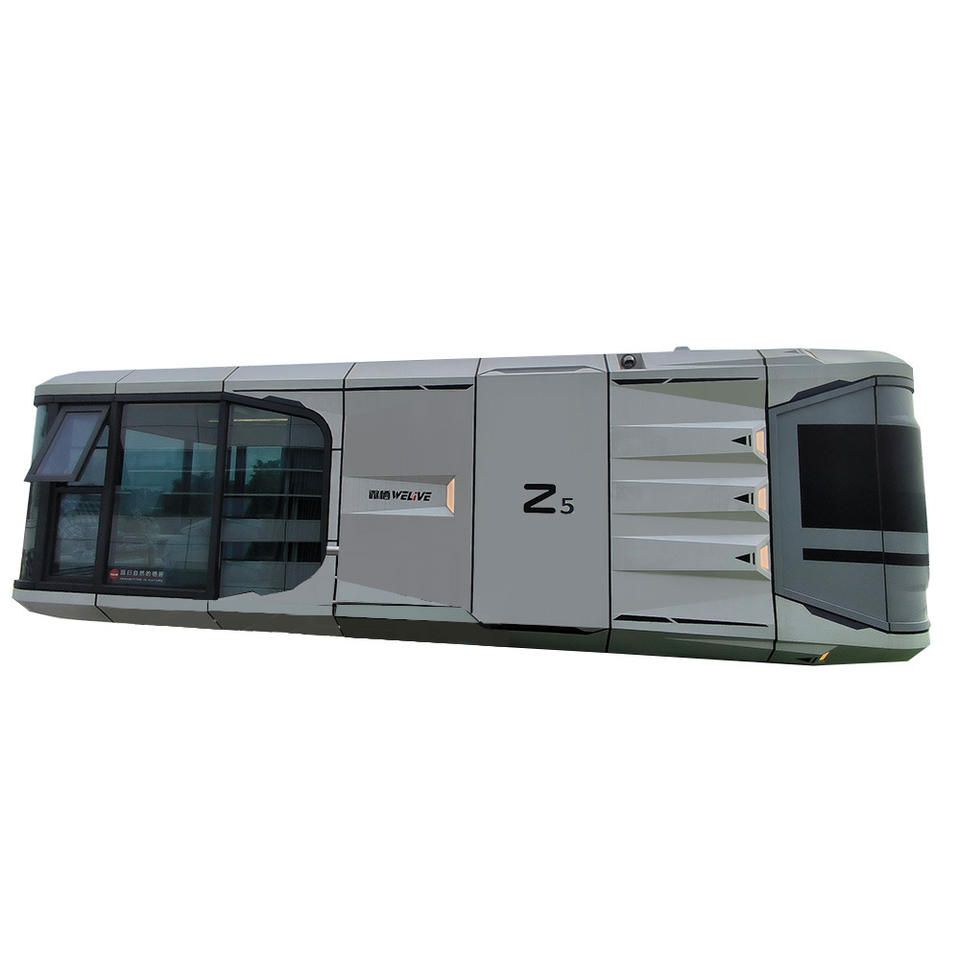
1. Use Moisture-Resistant Materials The main materials of mobile toilets need to be moisture-resistant. Fire-resistant boards are a common choice. Their substrates (such as magnesium oxide boards, cement fiber boards, or calcium silicate boards) are coated with fire-resistant coatings or melamine finishes on the surface, making them less prone to deformation, blistering, or mildew in environments with 60%-80% humidity. If the budget allows, color-coated steel sheets or transparent sunshine boards (with a thickness of ≥0.3mm) can provide both waterproofing and light transmission, reducing internal moisture. PVC waterproof tarpaulins are inexpensive, and their surface coatings can resist rainwater penetration for a long time, with a service life of about 3-5 years, making them suitable as auxiliary materials for rain and moisture protection.
2. Proper Installation Measures The installation process directly affects moisture prevention effectiveness. When installing fire-resistant boards, ensure that the edges of the boards are sealed, and the joints are filled with mold-resistant sealant. Install a waterproof underlayment on the ground to isolate moisture. In high-humidity areas, it is recommended to choose products with high-pressure decorative laminate (HPL) or high-density magnesium oxide board surfaces for better moisture resistance. When installing rainproof materials, the roof should be tilted at an angle of more than 15° for drainage. Fix it with iron wires or nylon ropes crossed and bundled, and let the edges hang down by 20cm to prevent side winds from lifting the membrane. Seal the corners of the walls with cement mortar to prevent rainwater from seeping in through the gaps.
3. Maintain Ventilation Ventilation is key to reducing humidity. Mobile toilets should have their windows opened frequently or be equipped with exhaust fans/blowers to accelerate the expulsion of moist air. If natural ventilation is insufficient, mechanical ventilation equipment can be added to ensure air circulation and prevent the accumulation of water vapor.
4. Daily Maintenance Long-term moisture prevention relies on daily management. Avoid exposing the toilet to rain or standing water for extended periods, and add a rain shelter if necessary. Regularly inspect the edges of the boards, joints, and rainproof membranes, and repair any aging or detached sealant promptly. During the rainy season, inspections can be carried out every 2-3 weeks. Reduce the generation of internal water vapor, such as wiping dry the floor and walls promptly after showering to maintain a dry environment.



