
Rural Mobile Toilet Introduction Terms
Rural mobile toilets are sanitation facilities that can be flexibly moved to different locations, primarily used in temporary or short-term sanitation service scenarios. They are characterized by easy mobility, rapid installation, and convenient use, and can be quickly deployed without the need for complex infrastructure projects.
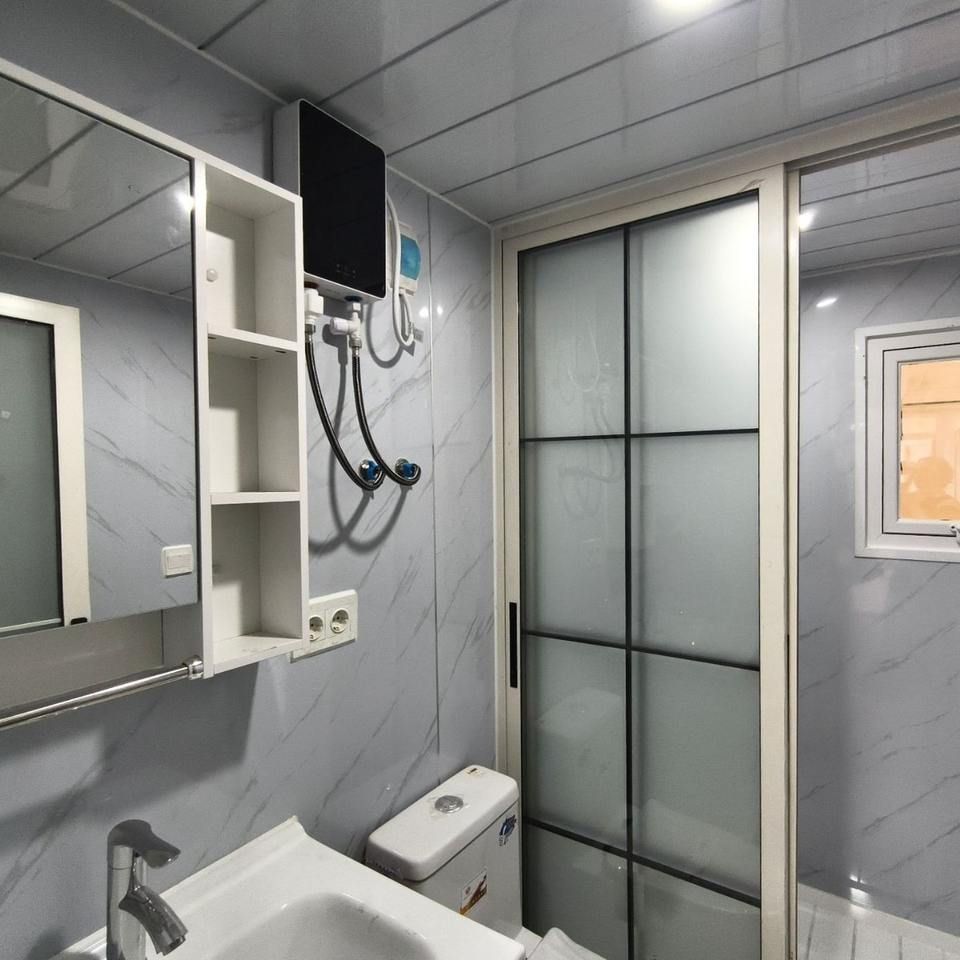
I. Common Types and Characteristics
Portable Mobile Restrooms
Made of plastic or lightweight materials, they are light and easy to carry. With a simple structure, they typically include a toilet bowl and a small water storage tank, requiring no water or electricity connections, making them suitable for short-term use scenarios such as fieldwork or temporary gatherings. The cost is relatively low, ranging from several hundred to a thousand yuan, depending on size and functionality. Their core advantages lie in portability and low cost, but the facilities are relatively basic, only meeting basic needs.Trailer-Mounted Mobile Restrooms
Installed on trailers, they can be moved by vehicle traction, suitable for longer-term use. Equipped with facilities such as sinks and ventilation systems, some models also feature compartments and more comprehensive sanitation treatment systems, emphasizing comfort and stability. The price range is wide, from several thousand to tens of thousands of yuan, depending on configuration and scale. They are suitable for construction sites or large events, providing continuous and stable sanitation services.Solar-Powered Mobile Restrooms
Integrated with photovoltaic panels, they utilize solar energy for power or water heating, reducing reliance on traditional energy sources. Typically equipped with lighting, ventilation, and other equipment, they are suitable for remote or off-grid areas, embodying an eco-friendly concept. Prices vary based on technological complexity, generally starting at several thousand yuan. Their advantage lies in self-sufficiency in energy, low long-term deployment costs, and alignment with the development direction of green sanitation solutions.
II. Maintenance and Management Points
Regular cleaning and inspection are key to ensuring the long-term use of rural mobile toilets. Users should use the facilities correctly to avoid blockages or damage; for complex types (such as solar-powered ones), professional maintenance is recommended. Additionally, a cleaning plan should be formulated based on usage frequency and environmental conditions, such as daily cleaning of toilet bowls and weekly inspection of equipment operation status.
III. Social Value
The popularization of rural mobile toilets can compensate for the lack of fixed sanitation facilities, improve rural sanitation conditions, and reduce the risk of disease transmission. Their flexible deployment characteristics are particularly suitable for areas with frequent population movements or weak infrastructure, helping to enhance residents' quality of life and promote the construction of rural public health systems.



