
Back to blog
Article
Use of Prefabricated Panels for Rural House Roofs
Admin September 19, 2026
The use of prefabricated panels for rural house roofs was once common, but it has many drawbacks. With the development of construction technology, cast-in-place concrete and prefabricated buildings are gradually replacing traditional prefabricated panel roofs. If economic conditions permit, it is recommended to use cast-in-place concrete for roof construction.
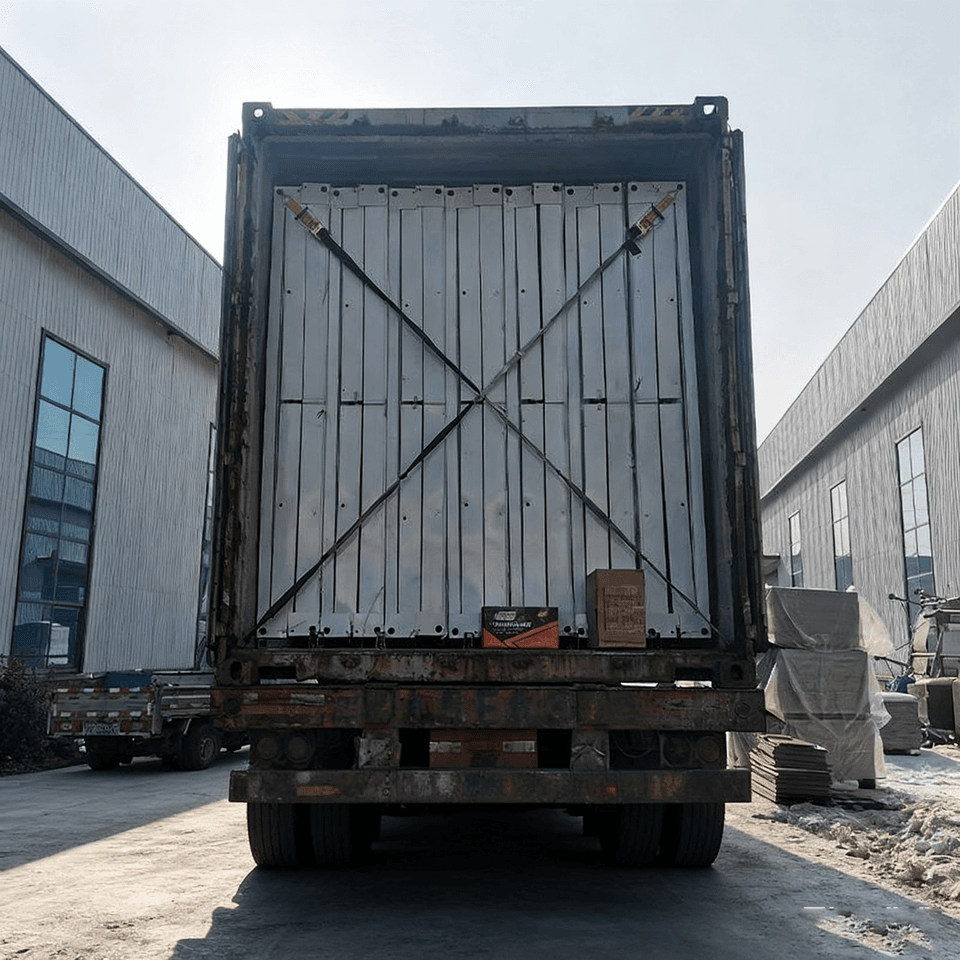
- Prominent Waterproofing Issues: The probability of rain leakage in prefabricated panel roofs is extremely high, with a saying that '8 out of 10 may experience rain leakage.' Even with waterproofing treatment, it is difficult to guarantee 100% waterproofing, and the rainy season is a critical period for testing whether it leaks. This is because there are gaps between the prefabricated panels, allowing rainwater to easily seep into the house and cause inconvenience to the occupants.
- Poor Earthquake Resistance: Prefabricated panels have a low seismic coefficient and are not suitable for earthquake-prone areas. During an earthquake, the prefabricated panels are prone to separating from the walls, causing the house to collapse and posing a serious threat to the lives of the occupants.
- Inadequate Thermal Insulation: The thickness of prefabricated panels is generally around 12 centimeters. Although they are hollow structures, their thermal insulation performance is poor. In summer, the indoor temperature will be very high, like a steamer; in winter, the indoor temperature will be very low, requiring additional insulation measures, usually necessitating a secondary covering of roofing materials to compensate for this defect.
- Poor Sound Insulation: Prefabricated panels do not have good sound insulation performance. The sounds of activities upstairs, such as walking and talking, can be clearly heard downstairs, seriously affecting the privacy and comfort of living.
- Limited Lifespan: The service life of prefabricated panels is about 30 years. Compared to other roofing materials, their service life is relatively short. After expiration, they need to be replaced, increasing construction costs and maintenance difficulties.
- Inadequate Structural Stability: The prefabricated panels are placed on both sides of the walls. Even if a ring beam is poured, their stability is not as good as that of a roof poured together with the ring beam and floor slab. The gaps in the middle are prone to cracking and water leakage, affecting the overall structural safety and functionality of the house.
Related



