
Rural Container House with Yard
Here is the information about rural container houses with yards:
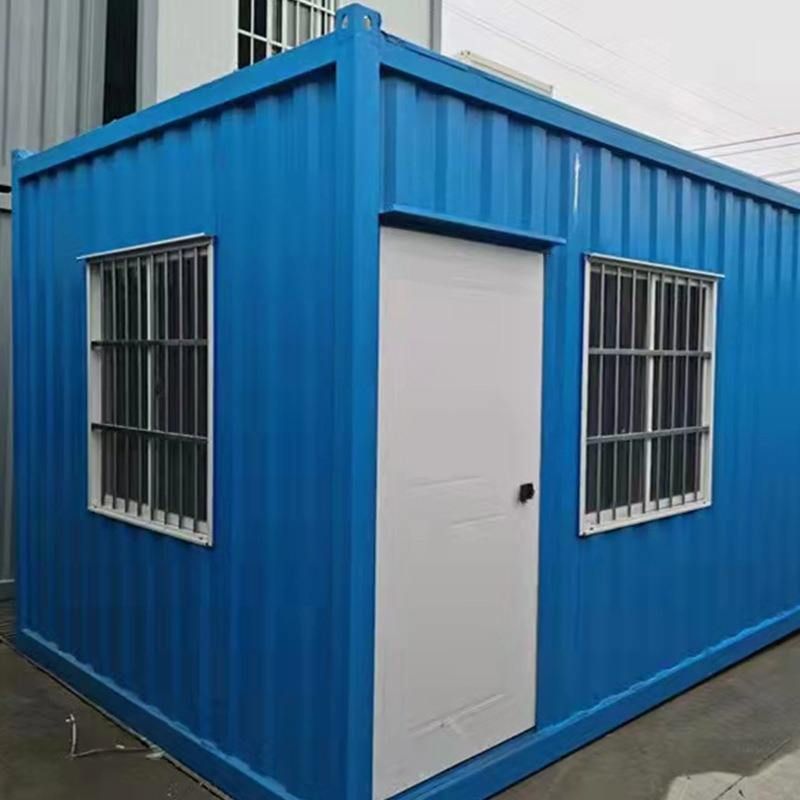
Design Cases
There are innovative designs like the "Floating House," which uses recycled shipping containers to build elevated residences. The entire building is lifted off the natural ground and floats among the native forests, surrounded by trees. After being elevated, the windows are level with the tree canopies, and the balconies are interspersed among the branches. The site retains its original landscape, with only a minimal amount of concrete used for the foundation, without damaging the soil's drainage performance or the growth vitality of the tree roots. The interior walls and ceilings are made of recycled wood from demolished buildings, equipped with roof greening and rainwater harvesting systems, offering excellent thermal and acoustic insulation. The building is supported by metal columns and uses a V-shaped support system to reduce the amount of concrete and the foundation area. The foundation is a shallow type, and 70% of the construction waste is reused.
Rental and Purchase Information
Xiaodingdang Parent-Child Farm offers container courtyard vegetable garden products with a 20-year lease starting at 20,000 yuan, including basic facilities. Each unit has its own private courtyard and can accommodate the "5+2" lifestyle (5 days working in the city and 2 days at the rural farm). Currently, only 10 sets of these products are available.
Legality Assessment
Whether placing a container house in a rural yard is illegal depends on the specific circumstances:
- Legal situations: If it complies with the overall land use plan of the township and the village plan, and does not occupy permanent basic farmland; if planning permission has been applied for from the local urban and rural planning department and approved by the township government and the county government step by step; if the yard land has been approved as construction land, then placing a container house is legal.
- Illegal situations: Placing it without approval; placing a container house on farmland in the yard; transforming the container house into a fixed building with long-term living or working functions without obtaining relevant planning approval; failing to demolish it as a temporary building after the approved usage period has expired are all illegal.
Suggestion: Before placing a container house, consult the local village committee or competent authorities to understand the specific policies and approval requirements. Try to obtain approval from the relevant departments and strictly comply with land management, urban and rural planning, and other relevant laws and regulations.



