
Rural Cement Prefabricated Houses
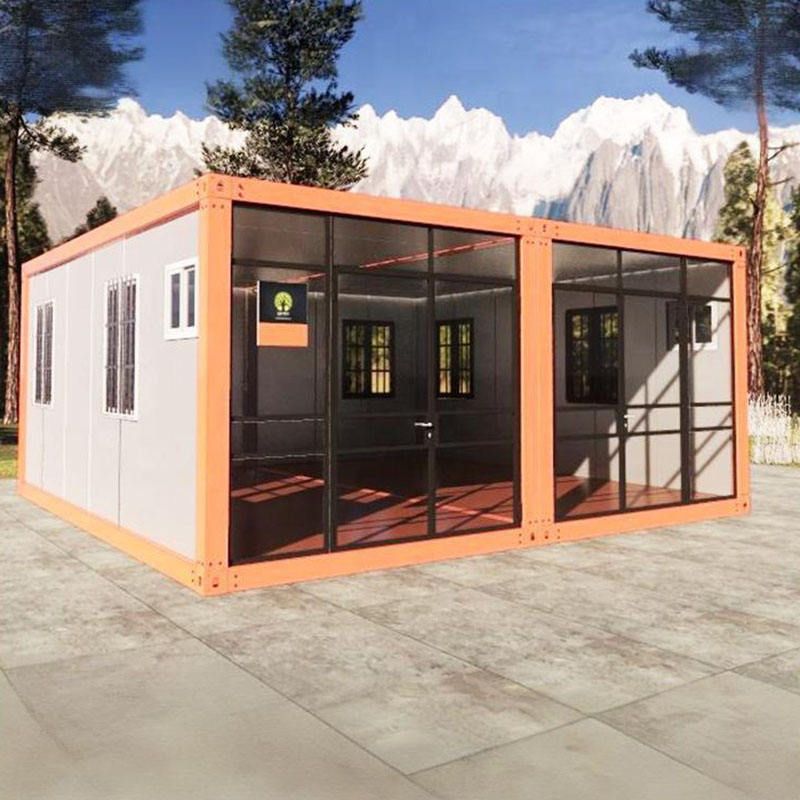
Rural cement prefabricated houses are a form of housing that focuses on factory-standardized production and achieves rapid construction through on-site assembly. They offer advantages such as short construction periods, low costs, and sturdy structures, but also have drawbacks like poor sound insulation, high leakage risks, and insufficient earthquake resistance.
Core Features and Advantages
Standardized Production and Rapid Construction
Rural cement prefabricated houses adopt a factory-based production model. The wall thickness is uniformly 15 centimeters, and the floor height can be customized (ranging from 3 meters to 3.6 meters), with the maximum length of a single room reaching up to 10 meters. From steel bar binding and formwork assembly to concrete pouring and steam curing, the entire process is completed in the factory, with only assembly required on-site, enabling 'one-day production and on-site assembly'. For example, the main structure of a building can be completed in two days, and a villa can be assembled in 4 hours, unaffected by harsh weather conditions, significantly shortening the construction period.Cost and Lifespan Advantages
Their construction cost is lower than that of traditional brick-and-mortar houses, and the all-reinforced concrete structure comes with a 70-year warranty period, offering a sturdy structure and excellent moisture resistance, suitable for long-term use.Clear Usage Categories
- Rural Self-built Houses: Primarily focused on economic practicality, meeting the daily living needs of farmers.
- Rural Villas: Emphasizing exterior design and spatial layout, with floor height options of 3.3 meters or 3.6 meters to enhance living comfort.
- Commercial Buildings (such as office buildings and hotels): Widely used in homestays and commercial buildings due to their span advantages and construction speed.
Main Drawbacks
Poor Sound Insulation
The prefabricated panels are typically 10 centimeters thick and have long circular holes inside, allowing sound to penetrate easily and be amplified through the voids, resulting in poor indoor sound insulation.High Leakage Risk
The prefabricated panels are assembled from independent sections, leaving fine gaps between them. Rainwater can easily seep in and corrode the internal steel bars, potentially affecting the structural safety over long-term use.Insufficient Earthquake Resistance
Minor earthquakes can cause the house to collapse, and the quality of prefabricated cement panels on the market varies greatly. Low-quality products have a short lifespan, further exacerbating safety hazards.
Suitable Scenarios and Recommendations
Rural cement prefabricated houses are suitable for areas sensitive to construction speed and cost and with stable geological conditions, such as self-built houses in rural plains or short-term commercial buildings. However, it is essential to strictly control the quality of prefabricated panels, enhance waterproofing at panel joints, and avoid using them in earthquake-prone areas.



