Portable Toilets for Rural Banquets
There is currently no standardized product directly targeting 'portable toilets for rural banquets,' but suitable types of portable toilets can be selected based on the needs of rural outdoor events, considering factors such as site conditions, number of users, and hygiene requirements.

Rural banquets are typically held outdoors, with a large number of participants and concentrated event times, posing high demands on the convenience, capacity, and adaptability of sanitation facilities. Among the existing rural outdoor portable toilet products, the following types may be applicable:
1. Galvanized Steel Plate Eco-Friendly Toilets These toilets feature a main body made of galvanized steel plate, which is corrosion-resistant and structurally stable, making them suitable for long-term outdoor use. They are usually equipped with septic tanks or biodegradable systems internally, reducing the environmental impact of sewage discharge. If there are no fixed sewage pipes near the rural banquet venue, these toilets can solve the problem of waste disposal through regular septic tank cleaning, making them suitable for short- to medium-term events.
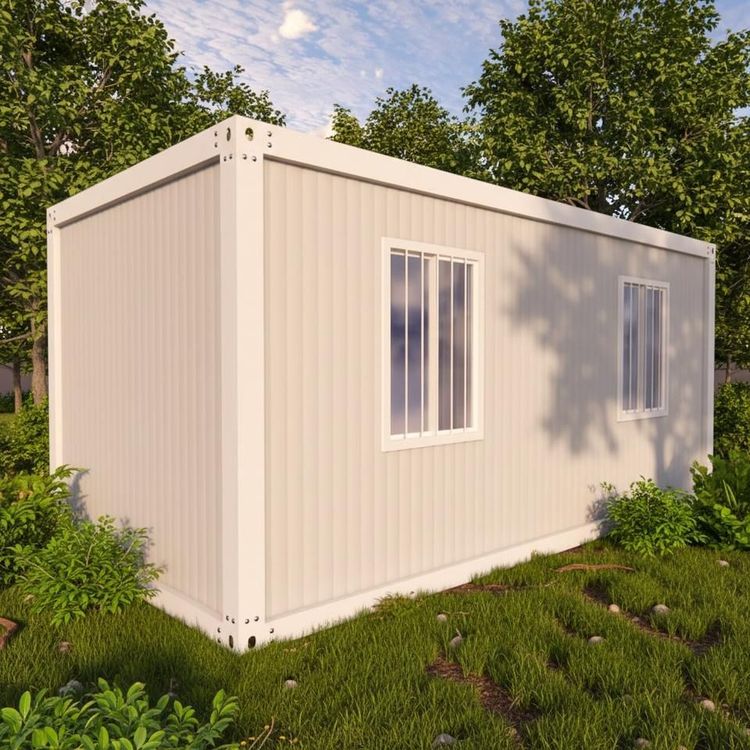
2. Container-Type Portable Toilets Container toilets use standard containers as carriers, with flexible internal configurations including squat toilets, sit toilets, and handwashing stations, offering large capacity and modular combinations. For example, a standard container can be designed with 4-8 squat toilets, meeting the needs of events with hundreds of participants. Their advantages include convenient transportation, quick installation, and the ability to expand capacity by adding more containers, making them suitable for large rural banquets or multi-day events.
3. Rustic-Style Multi-Squat Portable Toilets Some products are designed with a rustic appearance for rural settings, such as wooden or brick-like decorations, harmonizing with the rural environment. Internally, they adopt a multi-squat layout (e.g., 8 squats), allowing multiple people to use them simultaneously and reducing waiting times. These toilets are usually equipped with simple septic tanks or directly connected to external sewage pipes, requiring appropriate solutions based on site conditions.
4. Improved Dry Toilets If the event site is far from water sources or sewage facilities, improved dry toilets can be considered. These toilets reduce odors through layered designs (e.g., separating feces and urine) or adding cover materials (e.g., sawdust, straw), but require regular waste cleaning. Their advantage is that they do not require water or electricity support, making them suitable for remote rural areas, although hygiene conditions need to be ensured through enhanced management (e.g., increasing cleaning frequency).
Selection Recommendations:
- For small-scale events (<50 people), single- or double-squat galvanized steel plate toilets can be selected;
- For medium- to large-scale events (50-200 people), container-type or multi-squat rustic-style toilets are recommended;
- For sites without water or electricity, improved dry toilets should be prioritized, but a cleaning plan should be planned in advance.
When selecting, it is necessary to confirm with the supplier the toilet's sewage disposal method, transportation and installation services, and post-maintenance support to ensure they meet the hygiene needs of rural banquets.