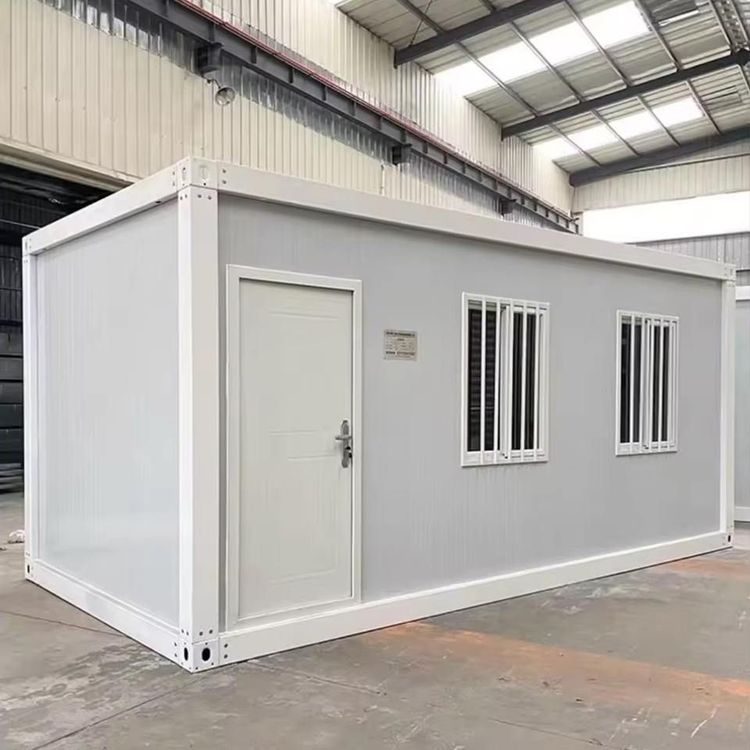
Roadside Mobile Public Toilet
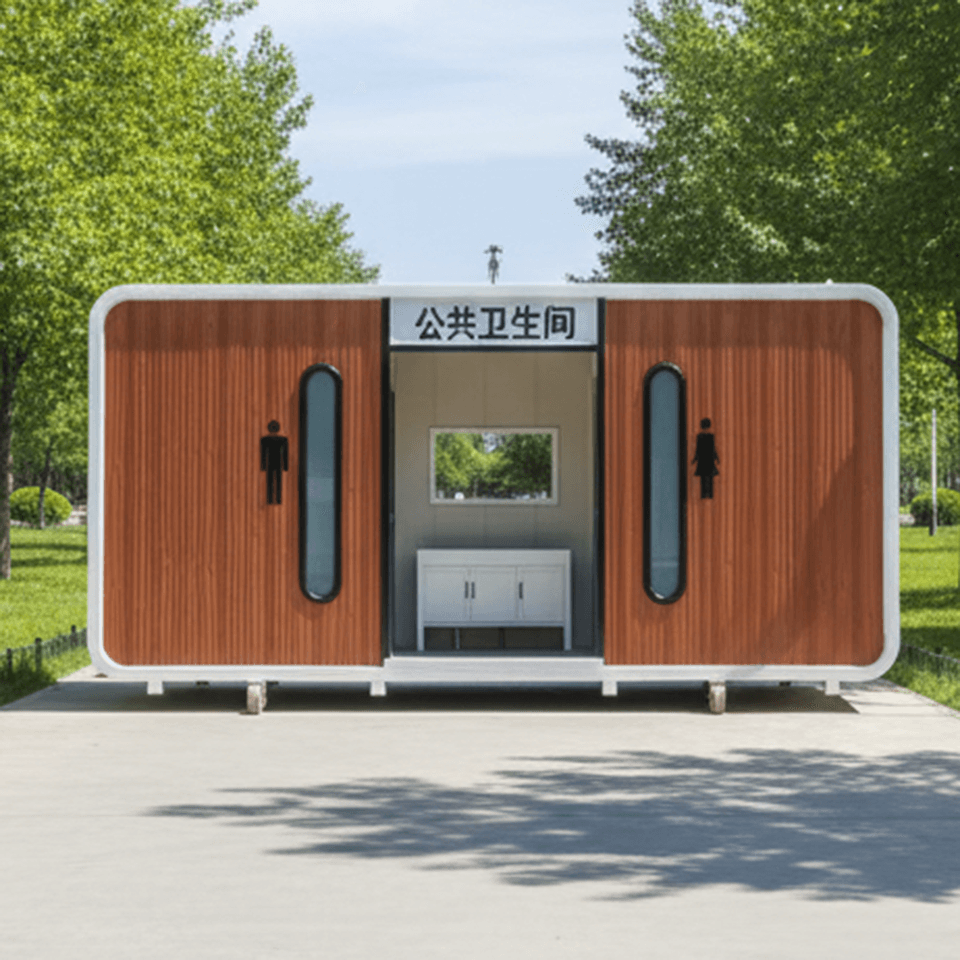
A roadside mobile public toilet, also known as a mobile toilet, is a movable facility designed to meet the temporary or permanent toilet needs of the public.
I. Applicable Locations
Mobile toilets are suitable for stations, docks, tourist attractions, densely populated public places, and bustling commercial streets. Their core advantage lies in their ability to be quickly deployed to locations with high foot traffic or inadequate infrastructure, such as large event venues, temporary construction sites, or remote scenic spots, effectively alleviating the limitations of traditional fixed toilet layouts.
II. Structural Components
Mobile toilets typically consist of six core modules:
- Fecal Treatment System: This includes sewage storage tanks or disposal units (such as septic tanks or biodegradation modules). Some high-end models are equipped with recirculating water flushing or dry packing technology to achieve zero sewage discharge or resource utilization.
- Basic Structure: The floor is designed to ensure stability, with wall materials including lightweight and durable options like metal carved panels and color-coated steel sheets. The roof design must balance waterproofing (e.g., asphalt shingles) and ventilation requirements.
- Sanitary Facilities: Standard equipment includes toilets or squat pans, sinks, water tanks, etc. Some models also feature hand dryers and deodorization devices to enhance the user experience.
- Mobile Devices: Depending on the transportation method, they can be classified as hoisting type (requiring lifting equipment), towing type (connectable to vehicles for towing), and manual handling type (suitable for small-scale scenarios). The completeness of the mobile device directly affects deployment efficiency.
- Auxiliary Systems: These include lighting, ventilation, temperature control, and other modules to ensure a comfortable internal environment.
III. Classification Methods
- By Structural Form: They can be divided into single-unit structures (independent units) and composite structures (multi-unit combinations), with the latter suitable for high-traffic scenarios.
- By Mobility Method: Hoisting types are suitable for long-term fixed locations, towing types facilitate cross-regional scheduling, and handling types are suitable for short-distance flexible adjustments.
- By Sewage Treatment: Water flushing types rely on a water source and sewage pipes; waterless suction types collect feces through vacuum pumps; recirculating water flushing types utilize reclaimed water technology for water conservation; and dry packing types use biodegradable bags to directly package excreta without water flushing.
IV. Design Principles
Mobile toilets must balance lightweight (using materials like galvanized frames and aluminum alloys to reduce weight), durability (corrosion-resistant treatments to extend service life), environmental friendliness (prioritizing recyclable materials to reduce pollution), and humanization (controlling height and width to accommodate different populations and adding barrier-free facilities). For example, the classic model from Dezhou Hongtu Metal Products Co., Ltd. uses a galvanized frame and metal carved panels, with a lifespan of over 2 years, and a pointed roof design to optimize drainage performance.
V. Market Prices
Prices vary significantly based on specifications, materials, and functions: Simple models (such as those from Foshan Sanshui Chuanghuan Steel Structure Factory) cost around 47.5 yuan each and are suitable for short-term events; mid-to-high-end models (such as those from Dezhou Decheng Huaying Food Truck Sales Department) cost 500 yuan each and are equipped with more comprehensive sanitary and mobile systems; customized products (such as the male-three-female-two outdoor toilet from Dezhou Hongtu Metal Products Co., Ltd.) require price negotiation based on configuration.