
Restaurant Mobile Toilet Images
I cannot directly provide specific images of mobile toilets for restaurants, but I can provide a detailed introduction to their types, structures, and features.
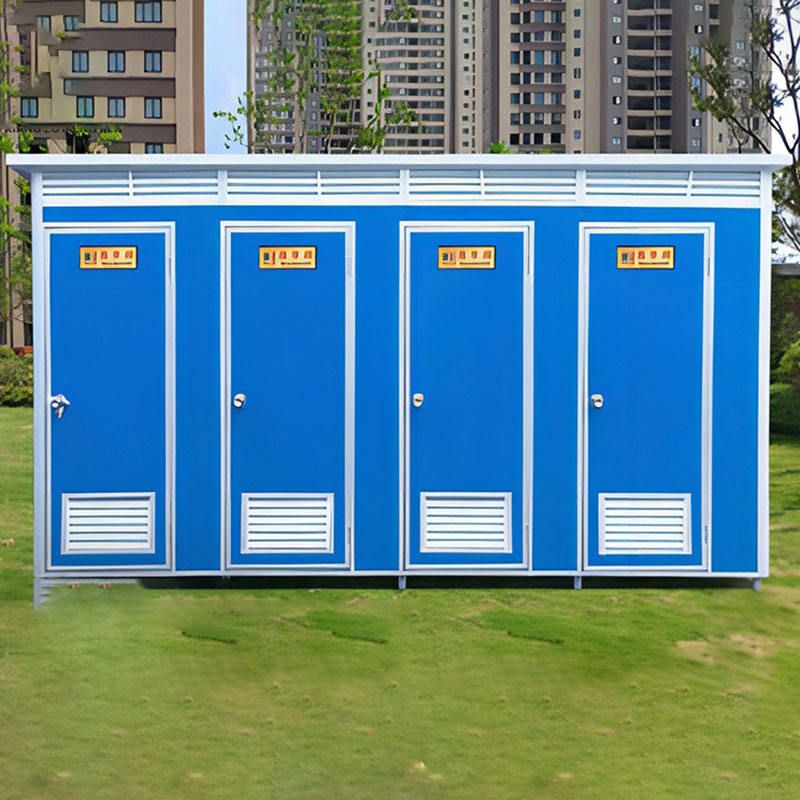
Mobile toilets are portable and flexible public sanitation facilities widely used in restaurants, scenic spots, construction sites, and other locations. Their core components include fecal sewage storage tanks (or disposal units), flooring, sanitary ware, walls, washing facilities, water tanks, roofs, and mobile units, among others. They come in various structural forms and mobility methods to meet the needs of different scenarios.
Classification by structural form:
- Single-unit mobile toilets: Typically independent compartments, compact in size, suitable for locations with dispersed foot traffic or limited space, such as small restaurants and temporary event venues. Their internal configurations are simple but fully functional, meeting basic sanitation needs.
- Composite-structure mobile toilets: These are assembled from multiple toilet compartments through modular design, expandable into multiple independent compartments, and can even be equipped with washbasins, urinals, and other facilities. Such toilets are suitable for high-traffic areas like large restaurants and scenic spots, significantly improving usage efficiency.
Classification by mobility method:
- Lifting and handling mobile toilets: These rely on lifting equipment or manual handling, suitable for short-term use or scenarios requiring frequent relocation, such as temporary exhibitions and construction sites.
- Powered and towed mobile toilets: Equipped with power systems or towing devices, they can be moved by vehicles, offering higher flexibility. They are commonly used in scenarios requiring long-distance transportation or rapid deployment, such as large events and emergency rescues.
Special types of mobile toilets:
- Barrier-free mobile toilets: Designed specifically for individuals with disabilities, equipped with ramps, handrails, and other facilities, reflecting humanistic care.
- Eco-friendly mobile toilets: These adopt technologies such as microbial degradation and recycled water flushing to reduce sewage discharge, aligning with green environmental protection concepts. They are suitable for ecologically sensitive areas or regions with scarce water resources.
- Luxury mobile toilets: Internally equipped with air conditioners, lighting, ventilation fans, and other devices, they provide a comfortable sanitation environment and are commonly found in high-end restaurants and star-rated hotels.
The diverse designs of mobile toilets enable them to flexibly adapt to the scale, foot traffic, and environmental needs of different restaurants, making them an important part of modern public sanitation facilities.



