Research on Smart Environmental Protection Mobile Toilets
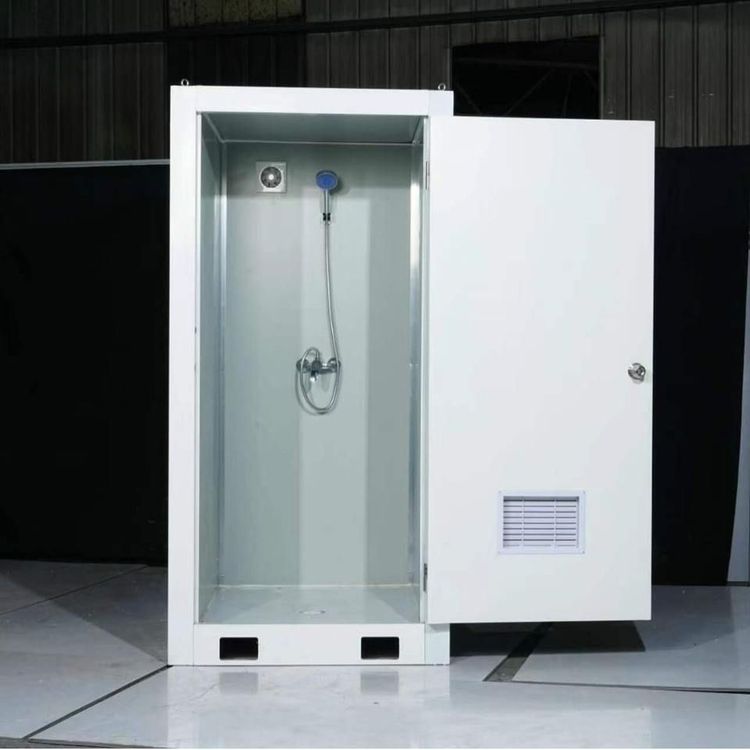
The research on smart environmental protection mobile toilets focuses on technological innovation, ecological design, scenario adaptation, and industry applications, achieving environmental friendliness and functional upgrades through technology integration and resource recycling.
1. Technological Innovation and Functional Integration
Smart environmental protection mobile toilets integrate IoT, AI, and edge computing technologies to achieve intelligent management. For example, the 5G smart carbon-neutral public toilet in Qingcheng Mountain Scenic Area in Chengdu uses a "three-stage microbial composite bacteria" system to suppress odors and combines waterless flushing technology to convert fecal waste into organic fertilizer, saving thousands of tons of water annually. The operating system from Zhongyunhui can monitor foot traffic, energy consumption, and microbial activity in real-time, optimizing temperature control strategies through AI to ensure stable operation under extreme weather conditions. Additionally, features such as automatic door opening, cleaning alerts, and space disinfection enhance user experience and safety, with some products also integrating temperature and humidity adjustment modules to adapt to different environmental needs.
2. Ecological Design and Resource Recycling
In material selection, priority is given to renewable or recyclable components (such as bamboo fiber composites and recycled plastics) to reduce environmental loads during production and transportation. During operation, waterless or micro-flush toilet systems (with a single flush volume of ≤0.5 liters) are used, combined with biodegradation chambers or evaporation separation devices, to convert excreta into soil amendments or irrigation water, forming a closed-loop resource recycling system. Life cycle assessments show that they can reduce approximately 3 tons of CO2 equivalent emissions, save more than 200 tons of freshwater, and achieve a material recycling rate exceeding 95%, significantly reducing environmental impact.
3. Scenario-Based Adaptation and Customized Solutions
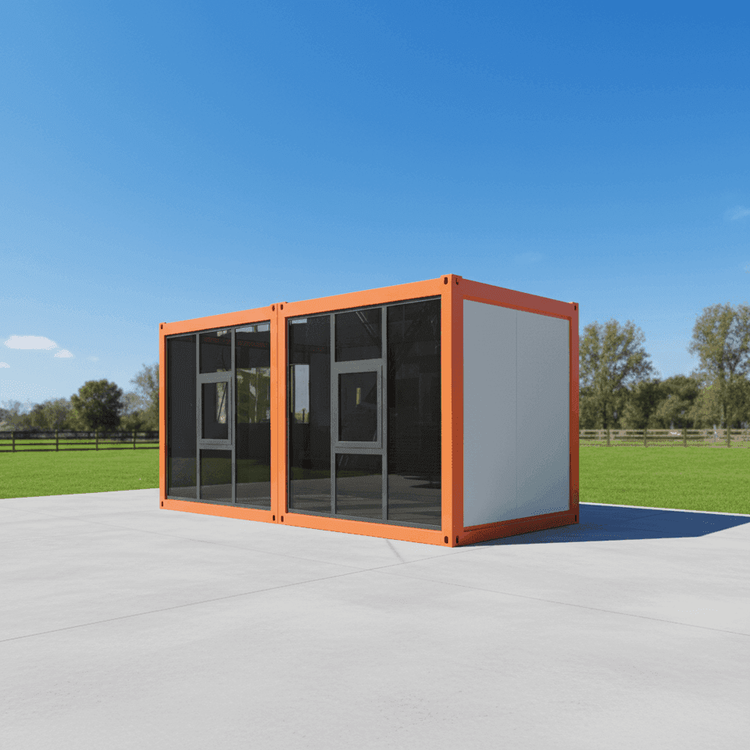
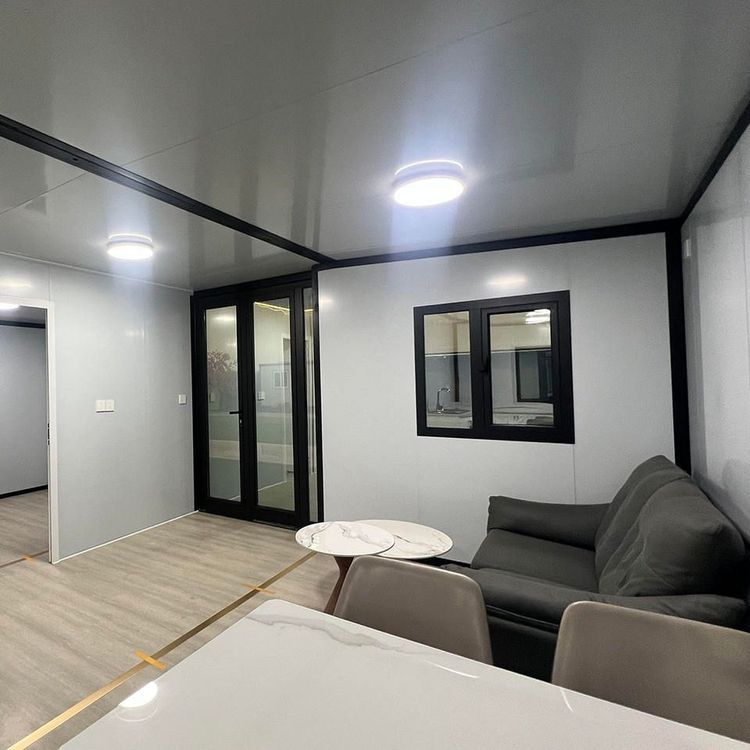
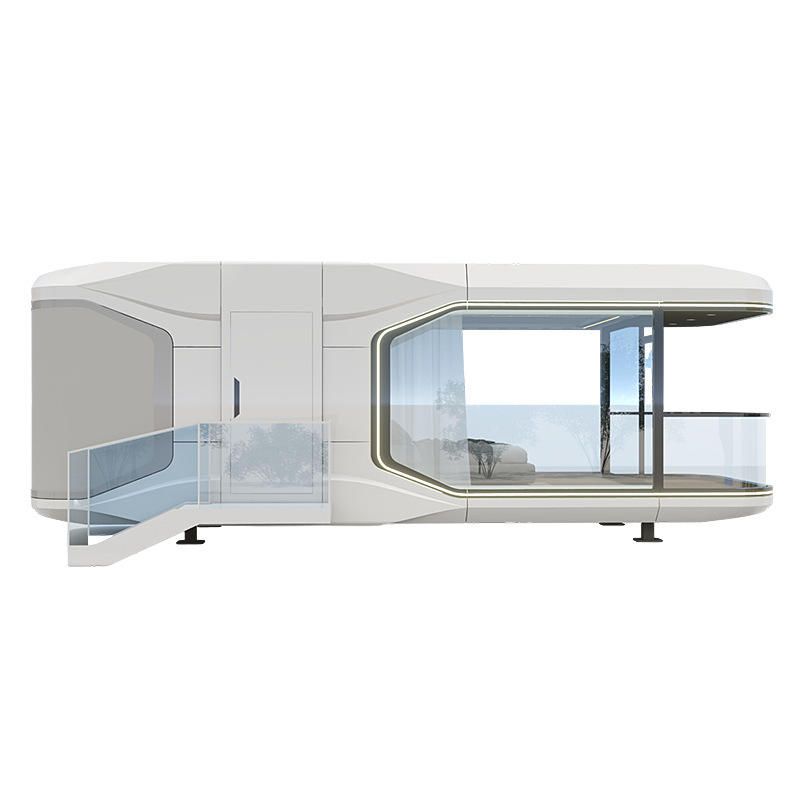
Tailored technological solutions are provided for scenarios such as high-altitude and cold regions, scenic area aesthetic coordination, and emergency response. For example, field scientific research expeditions are equipped with solar-powered biological treatment units for off-grid operation; urban park events select facilities connected to sewage treatment networks with additional primary filtration devices. Modular design shortens construction periods (by more than half compared to traditional brick-and-mortar structures), covering diverse scenarios such as municipal sanitation, tourist attractions, and transportation hubs, improving deployment efficiency and flexibility.
4. Industry Applications and Market Value
Smart environmental protection mobile toilets have evolved from single-function spaces to urban service nodes. For example, public toilets in Chengdu scenic areas display cultural and tourism information via ultra-high-definition screens, use built-in AI models to recommend attractions and local cuisine, and offer coupons and carbon credits through apps, forming an "toilet + consumption + low-carbon" ecological闭环. Remote operation and maintenance and fault prediction functions can reduce inspection costs by 30%-50%, driving the industry toward refinement and digitization, and improving operational efficiency and economic benefits.
5. Technological Challenges and Long-Term Impacts
Current research needs to address operational stability under extreme weather conditions (such as the impact of low temperatures on microbial degradation rates), maintaining processing efficiency under high usage frequencies, and user adaptability training. Long-term ecological impact assessments should focus on life cycle environmental indicators to provide quantitative support for technological iteration and ensure sustainable development.