
Rental Mobile Toilet Solution
The rental mobile toilet solution requires comprehensive consideration of equipment types, service processes, site adaptability, and cost control. Here are the specific implementation points:
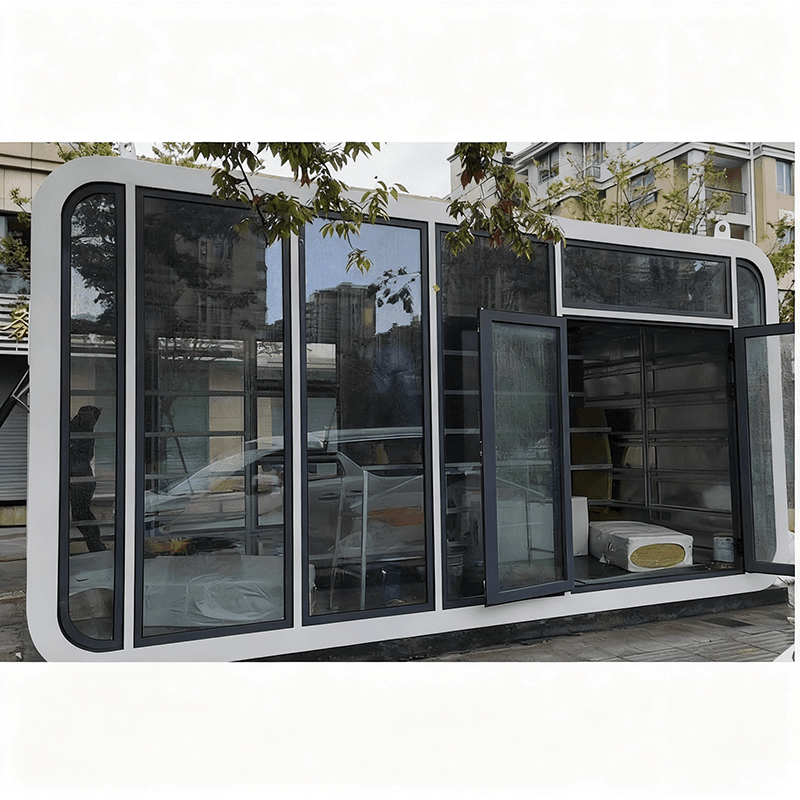
I. Equipment Types and Configuration Selection Mobile toilets are divided into basic and luxury types based on usage scenarios and budgets. The basic type features a color-steel plate structure, costs 300-500 yuan per day, and is suitable for short-term events. The luxury type is equipped with air conditioning and handwashing stations, uses metal-carved panel materials, and offers discounts for monthly rentals, making it ideal for high-end events or long-term needs. Modular design supports rapid assembly and disassembly, enabling flexible responses to complex sites. Smart monitoring systems provide real-time feedback on usage status, optimizing maintenance scheduling efficiency. For example, marathons can opt for 10-20-stall connected toilets, with a total cost of approximately 10,000-30,000 yuan.
II. Standardized Service Processes
- Preliminary Site Survey: Measure site dimensions, assess ground load-bearing capacity, and plan equipment layout. For instance, rainy areas require anti-seepage treatment, while high-temperature environments necessitate improved ventilation efficiency.
- Mid-term Operation and Maintenance: Regular cleaning and disinfection (at least once daily), replenishment of hand sanitizer and toilet paper, and prompt response to fault repairs.
- Post-event Removal: Thorough disinfection, professional waste disposal, and equipment recovery for maintenance.
III. Site and Deployment Requirements A flat area of 5-10 square meters is required, preferably close to water and electricity resources. Adjust equipment density and waste removal frequency based on terrain, user numbers, and event duration. For example, during the May Day holiday, Shanxi's Jinci Scenic Area deployed buses as mobile men's toilets and temporarily converted fixed men's toilets into women's toilets to increase capacity. Changsha High-Speed Rail Station increased women's toilet stalls to 92, while Shenzhen malls used folding doors to dynamically adjust stall numbers, reducing peak-hour queues by 70%.
IV. Pricing and Rental Periods The basic type is charged daily, while the luxury type offers discounts for long-term rentals. The minimum rental period is one day, suitable for temporary events. Compared to traditional fixed toilets, mobile toilets reduce long-term land occupation and civil engineering investments, with water recycling technology further lowering freshwater consumption.
V. Emergency Response and Regional Adaptability In emergencies (e.g., Sentai Environmental Sanitation can deploy additional toilets within half an hour), rapid response to demand changes is essential. For regional adaptability, Huizhou requires enhanced equipment corrosion and mold resistance, while coastal areas need moisture-proof treatment. Compliance with sewage treatment technical standards, waste transportation regulations, and temporary building safety norms is also mandatory.



