Rental Mobile Toilet Recommendation Plan
Renting mobile toilets requires comprehensive planning based on usage scenarios, configuration details, and rental services. Here is a specific recommendation plan:
I. Selecting Types Based on Usage Scenarios
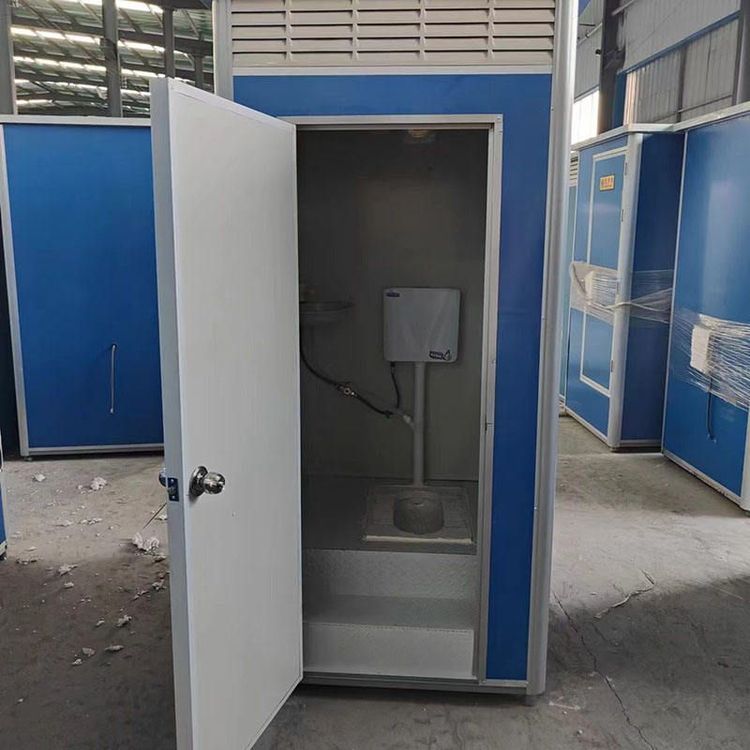
1. Large-scale events (e.g., concerts, music festivals) Prioritize multi-stall models with partitions (e.g., 3-4 compartments), such as the luxury mobile toilets commonly used at medium-to-large concerts in the Shangqiu area. These toilets measure approximately 2m × 1.5m × 2.5m and are equipped with handwashing stations and fragrance systems, capable of serving over 800 people per day. If family audiences are involved, consider adding integrated mother-and-child rooms (with changing tables and cribs) or barrier-free toilets (equipped with ramps and handrails). 2. Construction sites/outdoor camping Opt for basic models with squat toilets and flushing systems, which are cost-effective and durable. For example, standard mobile toilets measure approximately 1.5m × 1.2m × 2.3m, with a single-stall design, accommodating about 500 people per day. If the outdoor ground is soft, choose models with anti-slip wheels and reinforced bases to prevent tilting in rainy weather. 3. High-end scenarios (e.g., weddings, scenic spots) Customize luxury models with additional features such as fragrance systems, hand sanitizers, and mirror cabinets to enhance the user experience.
II. Focusing on Configuration Details
1. Material: Prefer stainless steel or thickened plastic shells for corrosion resistance and durability. 2. Sewage disposal: Choose designs with movable sewage outlets for easy transportation and cleaning. For large-scale events, it is recommended that rental providers offer mobile sewage disposal truck services to prevent sewage overflow. 3. Water and electricity: Consider using solar panels for temporary power supply to reduce the risk of wire entanglement. 4. Load-bearing capacity: If the outdoor ground is soft, ensure the equipment is equipped with anti-slip wheels and a reinforced base.
III. Key Points for Rental Services
1. Delivery range: Confirm whether it includes urban areas and surrounding townships (e.g., free delivery within 30 kilometers of Pingdingshan). 2. Cleaning frequency: Inquire about the number of daily cleanings and whether temporary additional staffing is available during events. 3. Emergency response: Have reinforcement or relocation plans in place for rainstorms, strong winds, and other weather conditions. 4. Additional services: Prioritize rental providers that offer free maintenance and backup equipment to avoid service interruptions during events.
IV. Quantity and Location Planning
1. Quantity: Allocate 3-5 standard toilets per 1,000 people, with reserve stalls for peak periods. 2. Location: Place them near pedestrian walkways and close to rest areas, maintaining a safe distance from stage areas.
Summary: It is advisable to book 1-2 weeks in advance, and even earlier during peak seasons. After determining the equipment type based on scenario requirements, focus on comparing providers' delivery, cleaning, emergency response capabilities, and additional services to ensure the smooth progress of the event.