Renovated Container Mobile House
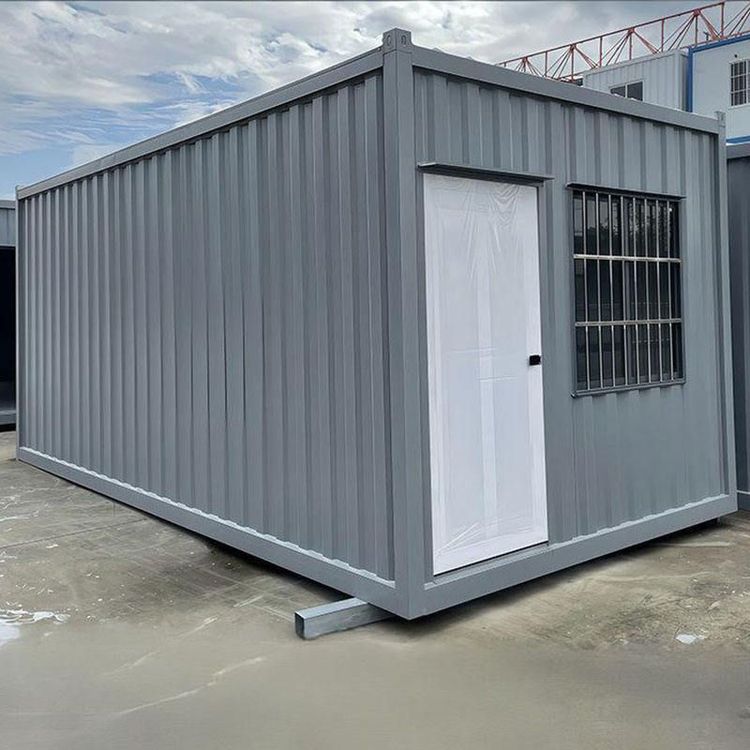
Renovating container mobile houses requires comprehensive consideration of structural design, functional optimization, compliance and safety, and cost control.

Structural design is fundamental. Containers inherently possess a robust steel framework, which is their advantage as mobile houses. However, when used directly as living or office spaces, structural optimization is often necessary. For instance, the traditional container's bottom frame has large longitudinal beam spacing, which can lead to insufficient floor stiffness when used as a living space. This can be addressed by adding C-shaped steel purlins between the bottom beams to evenly distribute the load to the main beams, enhancing structural stability. For container houses requiring multi-story stacking, it is crucial to ensure the structure can withstand additional loads and maintain overall stability.
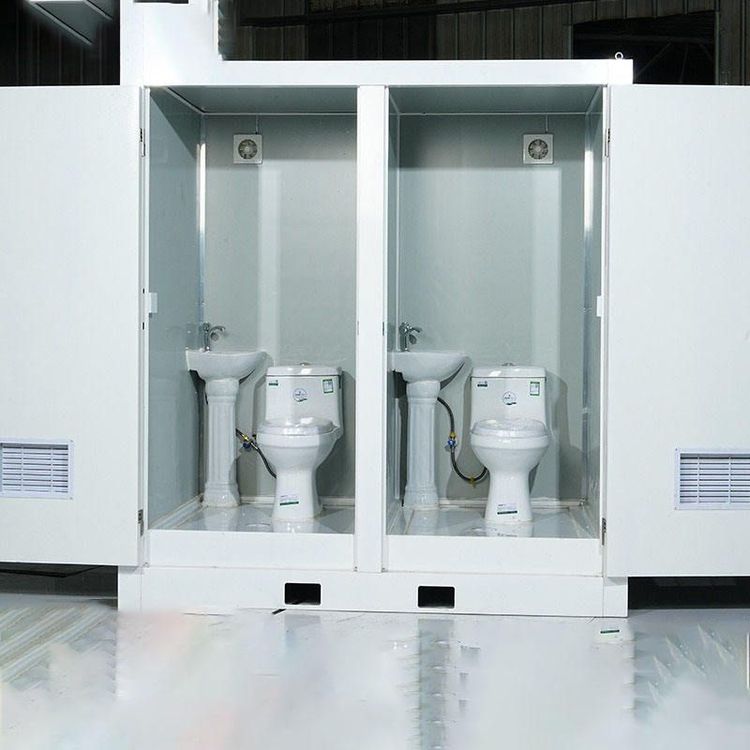
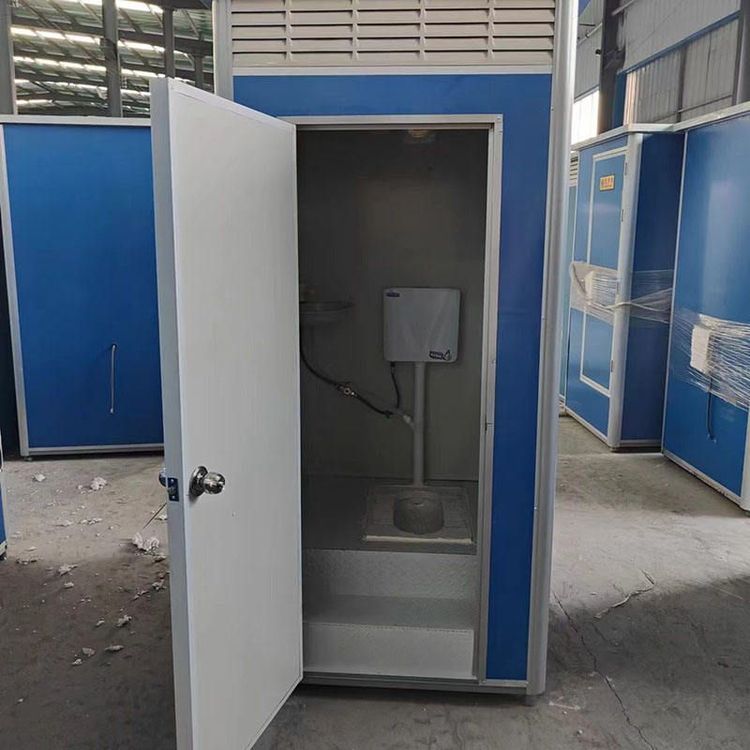
Functional optimization is key. Based on the usage scenario and requirements, the internal space of the container should be reasonably planned and functionally divided. For example, separate areas for bedrooms, kitchens, and bathrooms can be set up, equipped with corresponding facilities. At the same time, attention should be paid to the introduction of natural light and ventilation, reducing reliance on artificial lighting and mechanical ventilation by reasonably setting windows and skylights, thereby enhancing living comfort. Additionally, environmental protection features can be incorporated, such as installing solar panels and rainwater collection systems, to reduce environmental impact and enhance the house's green attributes.
Compliance and safety are guarantees. During the renovation process, it is essential to strictly adhere to relevant building codes and safety standards to ensure the structural safety and fire safety of the house. Select materials and equipment that meet standards and carry out standardized construction and installation. For container houses requiring cross-border use, it is also necessary to understand and meet the compliance requirements of the target market, such as certification standards and environmental protection requirements.
Cost control needs to be considered. Under the premise of ensuring quality and safety, renovation costs should be reasonably controlled. This can be achieved by optimizing the design plan, selecting cost-effective materials and equipment, and improving construction efficiency, thereby reducing renovation costs and enhancing the cost-effectiveness of the house.