
Removal of Prefabricated Panels in Houses
The removal of prefabricated panels should be carried out in accordance with the nature of the house and policy requirements. The new policy in 2025 clearly states that only two types of high-risk prefabricated panel houses can be prioritized for removal, with compensation methods including monetary compensation, property rights exchange, and housing vouchers for resettlement.
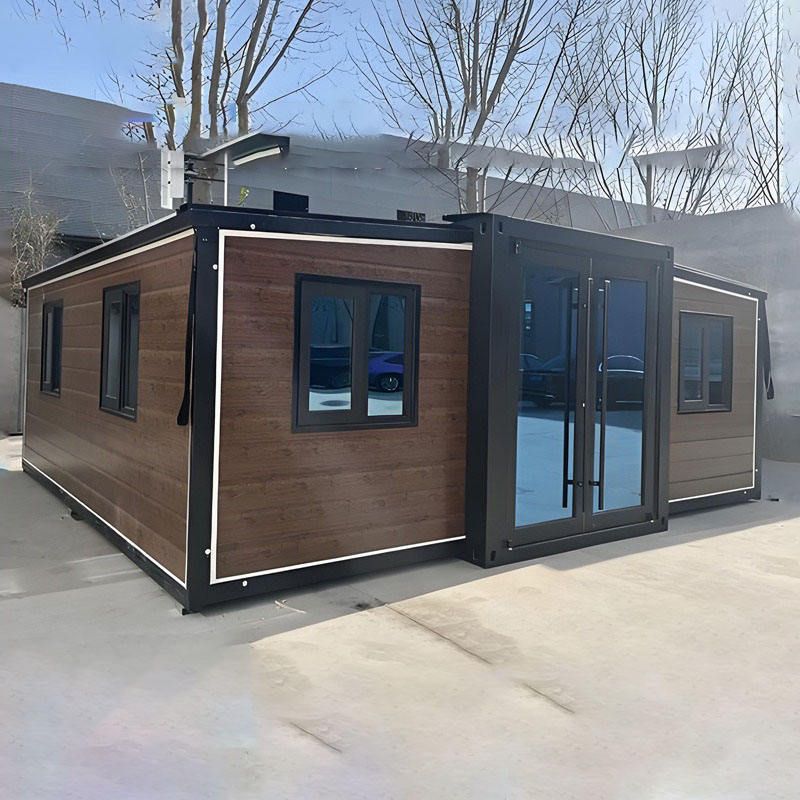
I. Scope of Removal for Prefabricated Panel Houses: Limited to Two Types of High-Risk Houses
According to the new policy in 2025, the removal of prefabricated panel houses is not a “comprehensive demolition” but rather a precise targeting of two types of high-risk houses:
- Grade D Dangerous Houses: These are houses that have been identified by professional institutions as having reached a dangerous state in terms of structural safety, such as foundation settlement exceeding 5 centimeters, cracks in load-bearing walls wider than 1 millimeter, and seismic resistance levels less than 70% of the current standard.
- Prefabricated Panel Houses Built Before the 1980s: These houses can also be prioritized for removal if they pose risks in withstanding natural disasters (e.g., seismic resistance less than 70% of the current standard or being vulnerable to damage in floods) or affect urban planning (e.g., being located within the scope of major infrastructure construction such as subways and elevated bridges).
II. Compensation Methods: Three Options Available
For prefabricated panel houses that meet the removal conditions, the government provides the following compensation methods:
- Monetary Compensation: The compensation amount is not less than 110% of the market price of surrounding commercial housing. Professional appraisal institutions will determine the final amount by considering factors such as the value of the house, decoration costs, moving expenses, transitional rent, and on-time signing bonuses.
- Property Rights Exchange: This is divided into “in-situ relocation” and “off-site resettlement”. For example, in Handan, residential buildings are exchanged at a ratio of 1:1.1, and homestead houses at a maximum of 1:1.2; if the per capita housing area is less than 30 square meters, it can be supplemented to the guaranteed area.
- Housing Vouchers for Resettlement: This is a compensation method that has been promoted in recent years, and the specific rules need to be implemented in accordance with local policies.
III. Precautions: Non-High-Risk Houses Will Not Be Removed Temporarily
If a prefabricated panel house has not been identified as a Grade D dangerous house or does not meet the conditions such as being built before the 1980s and having safety hazards, it will not be included in the removal scope temporarily. Starting from 2026, such houses will be included in the scope of urban renewal and the renovation of dilapidated housing, and the handling methods will include safety inspections, reinforcement and renovation, and in-situ reconstruction, rather than direct removal.
Summary: The removal of prefabricated panel houses should be based on professional appraisals and policy conditions. High-risk houses can be prioritized for removal and receive reasonable compensation, while non-high-risk houses will improve their safety through renovation. Residents need to pay attention to the details of local policies to ensure that their rights and interests are not compromised.



