
Prefabricated Composite Steel Mesh Building Houses
Prefabricated composite steel mesh building houses are a construction system that utilizes a double-layer steel wire mesh sandwich structure, with wall modules prefabricated in factories and assembled on-site. This system is characterized by efficient construction and excellent performance, though durability requires attention.
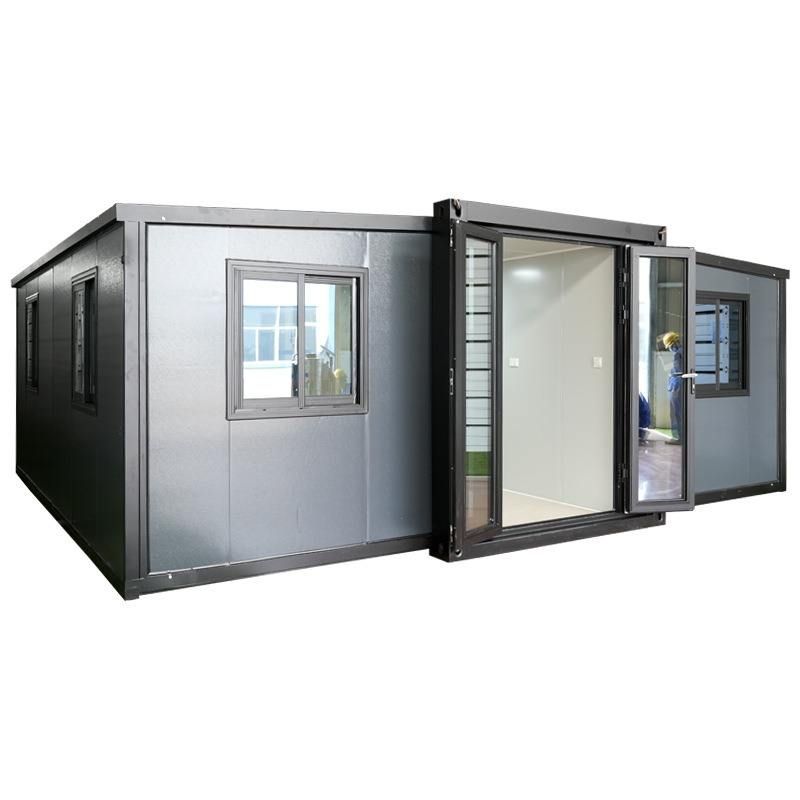
Core Structure and Principles
This system uses a double-layer steel wire mesh as its framework, filled with lightweight core materials such as rock wool or polystyrene boards. These are mechanically or manually combined to form prefabricated wall components, commonly known as "sandwich steel mesh panels" or "steel wire mesh frame insulation boards." Its design integrates the tensile strength of metal structures with the thermal insulation and fire resistance properties of lightweight materials, creating a well-integrated building module.
Main Advantages
- High Construction Efficiency: Wall modules are standardized and produced in factories, requiring only lifting and assembly on-site. This reduces the construction period by over 50% compared to traditional buildings, making it particularly suitable for emergency housing or projects requiring rapid delivery.
- Lightweight and Structurally Stable: The steel wire mesh framework provides tensile strength, while the lightweight core materials reduce the foundation load. The overall stability is superior to that of purely lightweight structures, and transportation costs are also reduced.
- Outstanding Fire and Thermal Insulation Performance: If Class A fire-resistant rock wool core materials are used, they can effectively resist combustion and meet a fire resistance limit of 1-2 hours. The closed-cell structure or fibrous properties of the core materials provide excellent thermal and acoustic insulation, meeting green building standards.
- Excellent Seismic Performance: The modules are connected using flexible joints that can absorb seismic energy, reducing the risk of structural deformation. This makes them suitable for earthquake-prone areas.
Potential Disadvantages
- Durability and Maintenance Costs: If the steel wire mesh is not adequately corrosion-resistant (e.g., insufficient zinc coating thickness), it may rust in humid environments, leading to a decrease in structural strength or surface peeling. Regular inspections and the application of anti-corrosion coatings are required.
- High Joint Treatment Requirements: If the module connections are not properly sealed, issues such as water leakage or air infiltration may occur. Special sealants or waterproof membranes must be used, and construction techniques must be strictly controlled.
- Internal Cavity Risks: If the core materials are not properly filled or secured, cavities may produce hollow sounds, affecting living comfort. This can be resolved by filling with expanding foam or adding support ribs.
- Long-Term Performance Limitations: Over time, the bond between the steel wire mesh and core materials may weaken, leading to a decrease in thermal and acoustic insulation performance. Additionally, the modular design limits the space for later renovations (e.g., cutting holes or adding floors).
Suitable Scenarios and Recommendations
This system is suitable for short-term projects (e.g., temporary housing, post-disaster reconstruction) or commercial buildings with extremely tight deadlines. For long-term residential use, high-quality corrosion-resistant steel wire mesh and high-density core materials should be selected, with enhanced joint waterproofing treatment. Regular maintenance is also necessary to extend the service life.



