
Refined Prefabricated Houses with National Delivery
China's refined prefabricated houses have achieved nationwide delivery and are being exported in large quantities overseas, utilizing modular integrated construction technology with advantages of high efficiency, environmental friendliness, and low cost.
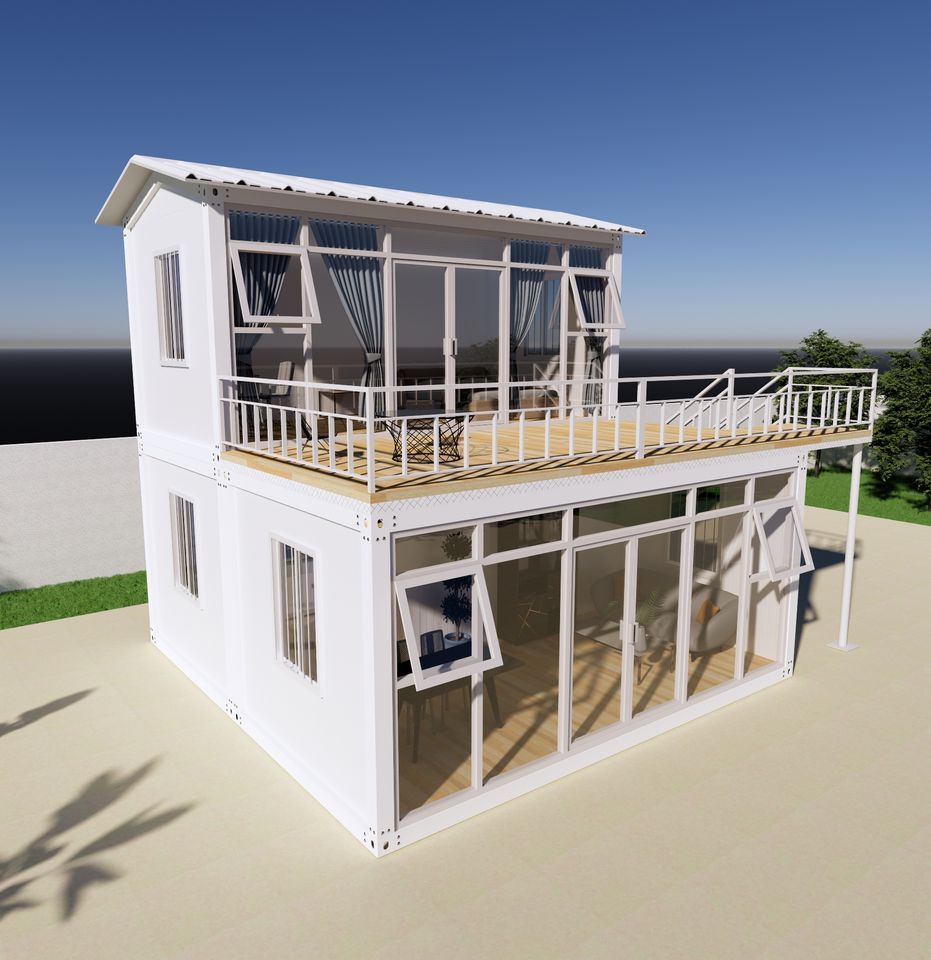
1. Technical Features and Production Process
Refined prefabricated houses employ modular integrated construction technology, with full-process finishing completed in factories, covering core aspects such as wall frames, floor and ceiling installations, plumbing and electrical systems, and kitchen and bathroom waterproofing. Through standardized design, each module undergoes industrial production in factories, ensuring stable and controllable quality. After production, the houses are shipped to their destinations in container form, requiring only simple hoisting and plumbing and electrical connections on-site for occupancy. The entire process from production to delivery is more than 60% shorter than traditional construction methods.
2. Domestic Application Scenarios and Price Ranges
Domestic consumers can order these houses through online shopping platforms, primarily for scenarios such as elderly care homes, rural self-built houses, or guest rooms in homestays. Prices range from tens of thousands to over a hundred thousand yuan, depending on the size and configuration of the house. After placing an order, the factory produces and delivers the house as needed. Once the house arrives at the village and is signed for, installation and occupancy can be completed in a short time. This model breaks free from the dependence on construction teams and on-site conditions in traditional house building, making it particularly suitable for remote areas or temporary housing needs.
3. Export Scale and Market Coverage
China's export scale of prefabricated buildings continues to expand. In the first half of 2026, total exports reached $2.79 billion, a year-on-year increase of 45%, covering more than 160 countries and regions worldwide. Among them, the Shenzhen port achieved an export value of 1.68 billion yuan in the first four months of 2026, a year-on-year increase of 19.6%, becoming an important export hub. Exported products are mainly modular houses, meeting the urgent needs overseas for green construction, efficient delivery, and low-cost housing.
4. Typical Cases and Delivery Efficiency
- UK Project: The client purchased 63 modules, with on-site hoisting completed within two weeks, significantly shortening the construction period.
- Papua New Guinea Hotel: After 84 modules were used to build a hotel, subsequent orders continued to increase, validating market recognition.
- North American Market: The first order was transported in the form of four independent modules, delivering a fully furnished residence that met local standards, demonstrating technological adaptability.
- Philippine Apartment: A 12-story apartment was built in just 9 days, setting a record for rapid delivery of high-rise buildings and highlighting the potential for large-scale application of modular technology.
5. Core Advantages and Industry Value
This model achieves three major breakthroughs through "factory-built houses and on-site assembly":
- Shortened Construction Period: Industrial production and on-site assembly proceed in parallel, reducing interference from external factors such as weather.
- Cost Reduction: Standardized design reduces material waste, and large-scale production lowers unit costs.
- Environmental Protection: Factory-enclosed construction reduces dust and noise pollution, and modules can be disassembled and reused, aligning with sustainable development principles. These advantages make it an ideal solution for global housing shortages and post-disaster reconstruction scenarios.



