Refined Decoration Prefabricated Housing
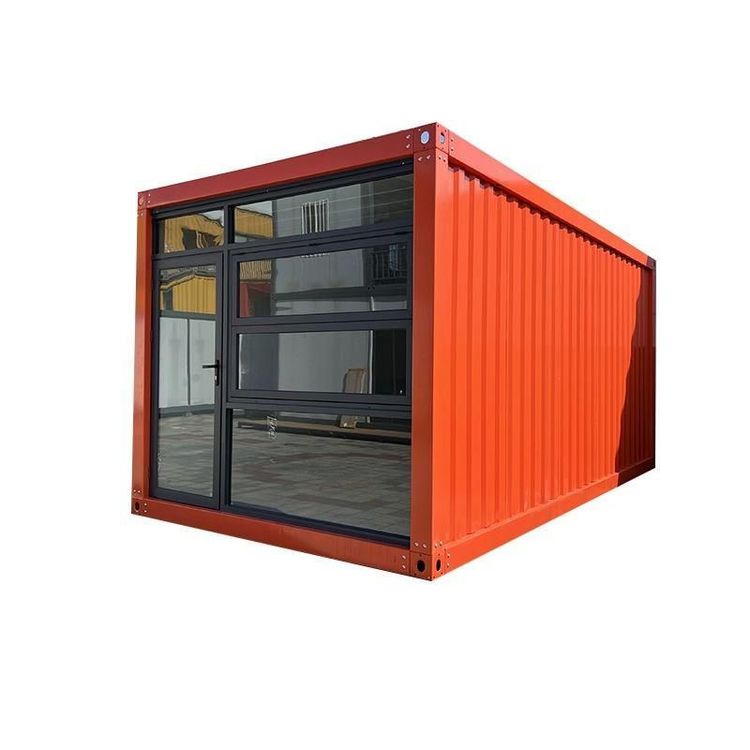
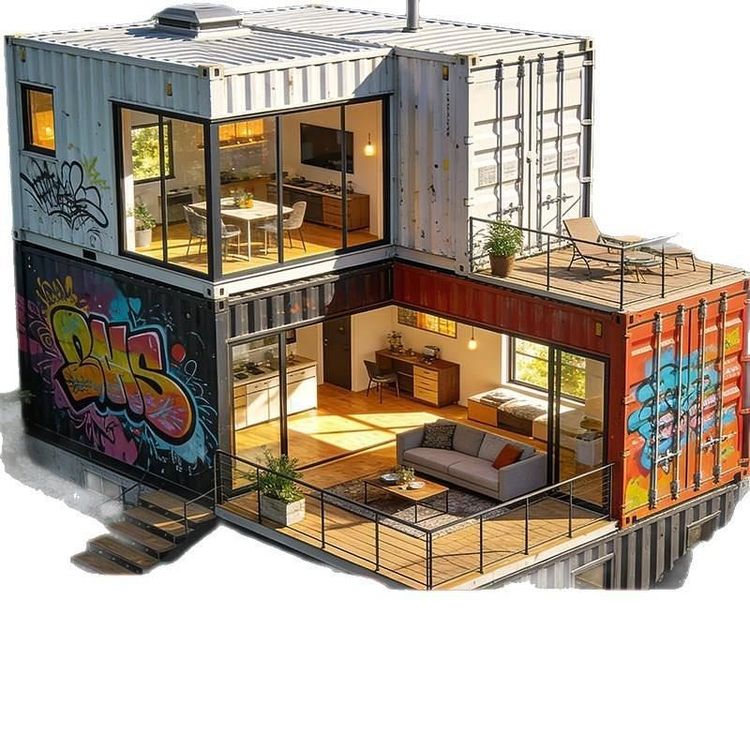
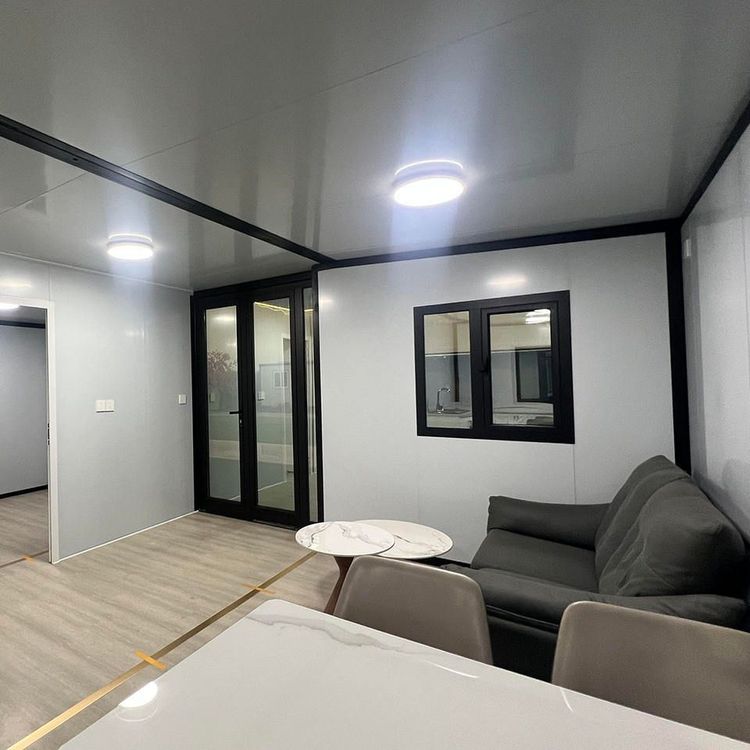
Refined decoration prefabricated housing is a residential form that involves prefabricating building modules in factories and assembling them on-site, offering advantages such as short construction periods, low costs, and environmental friendliness.

Core Concepts and Process Characteristics
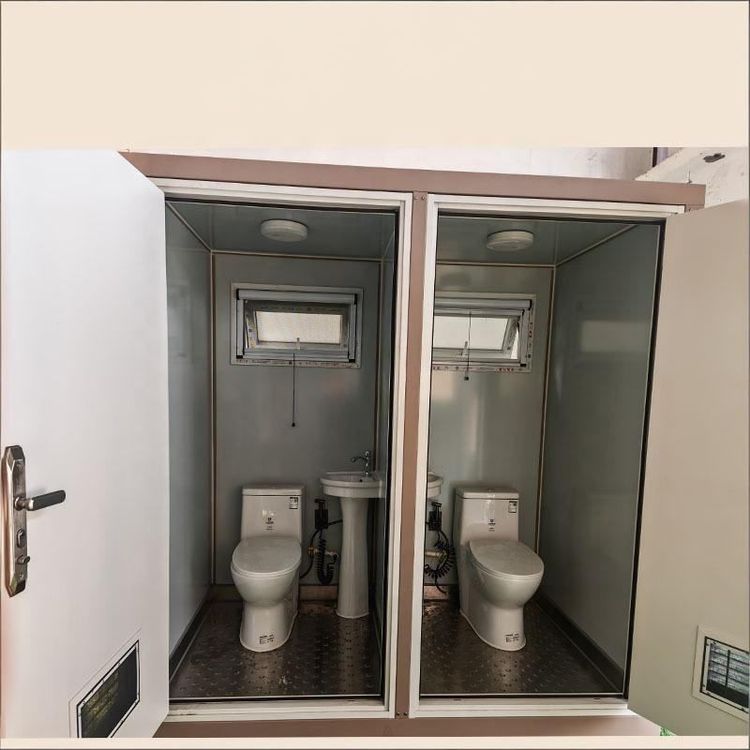
Refined decoration prefabricated housing is closely related to modular construction and prefabricated assembled housing. Its core lies in breaking down buildings into independent modules (such as ceilings, floors, and plumbing and electrical lines), which are manufactured to standardized specifications in factories and then transported to the site for assembly. This process combines the industrial production of prefabricated components with the replication capabilities of refined decoration, ensuring both building quality and reduced construction costs. For example, a public housing project in Shenzhen, Guangdong, utilized 6,028 concrete modules for assembly, shortening the construction period from 2.5-3 years to 1 year, reducing on-site labor by approximately 50%, and significantly minimizing noise, dust, and construction waste.
Technical Advantages Compared to Traditional Construction Methods
Compared to traditional construction methods, modular construction (a typical form of refined decoration prefabricated housing) offers four major advantages:
- Short Construction Period: Factory prefabrication and on-site construction can proceed simultaneously, reducing construction time by 30%-50%. For instance, the Shenzhen project compressed the construction period to one-third of that of traditional methods through modular assembly.
- Quality Control: Standardized production in factory environments reduces human errors, ensuring more stable quality for concealed works such as plumbing and electrical lines.
- Energy Efficiency and Environmental Protection: Reduced on-site wet work and material waste by approximately 20%, along with minimized disruptions to the surrounding environment (such as traffic congestion and dust pollution).
- Easy Maintenance: Modular design facilitates later inspection, repair, or replacement of components, extending the building's service life.
Technical Routes and Material Selection
Currently, Chinese enterprises' prefabricated housing technologies mainly fall into two routes: steel structure and concrete:
- Steel Structure: Lightweight and with good seismic performance, suitable for overseas transportation and high-rise buildings, but with higher costs and limited market acceptance in China.
- Concrete: Closer to traditional living experiences, with lower costs and high market acceptance in China, but heavier in weight, requiring special equipment for transportation and installation.
In addition, early prefabricated panel houses (with prefabricated panels as the main components) have gradually been replaced by cast-in-place concrete and assembled buildings, which further enhance construction efficiency through modular factory-prefabricated components.
Application Scenarios and Development Trends
Refined decoration prefabricated housing is suitable for large-scale construction projects such as public housing, hotels, and schools, especially those with high requirements for construction periods and environmental protection. As technology matures, its applications are expanding from low-rise buildings to high-rise ones, with steel-concrete hybrid systems becoming a new direction. In the future, with the popularization of intelligent production lines, the costs of prefabricated housing are expected to further decrease, promoting the widespread adoption of green buildings.