
Recycled Concrete Prefabricated Housing
The recycling of concrete prefabricated housing involves two scenarios: second-hand market transactions and policy-driven renovation and demolition, which need to be handled based on the housing condition and policy requirements.
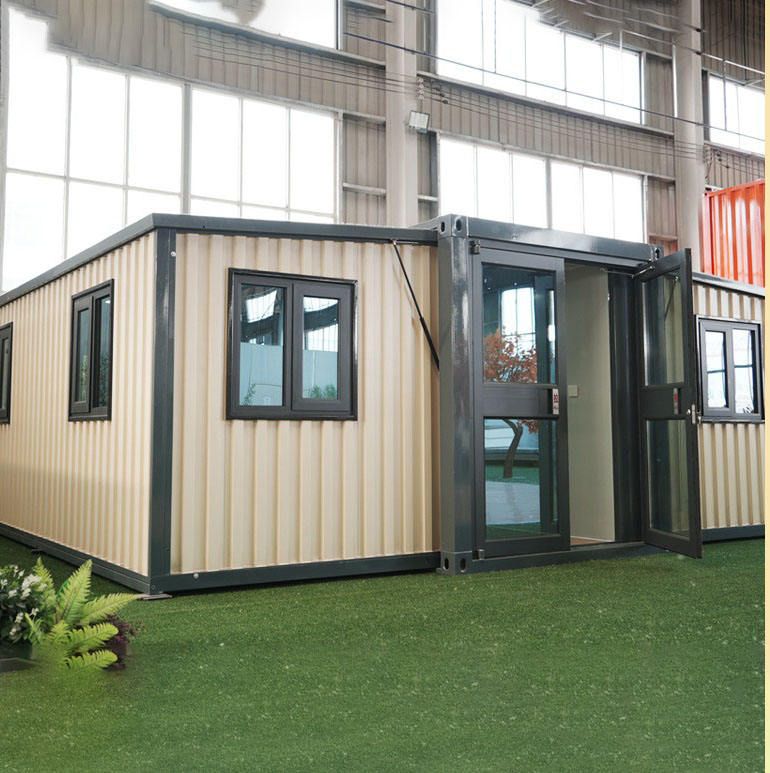
I. Second-hand Market Recycling and Sales
There are enterprises specializing in the recycling and sales of second-hand concrete prefabricated housing (such as cement mobile homes and prefabricated panel houses). For example, Zhuozhou Xinwei Hongtu Trading Co., Ltd. provides such services, with a price range of 240-300 yuan per square meter, and specific pricing is influenced by the housing assembly method (hoisting or modular) and the region. These transactions typically target structurally intact housing that can continue to be used, with buyers and sellers completing the transfer of property rights or usage rights through market behavior, falling within the scope of commercial activities.
II. Policy-driven Renovation and Demolition
According to the policies of the Ministry of Housing and Urban-Rural Development, prefabricated panel houses will be included in the urban renewal system starting from 2025, with the handling method based primarily on the structural safety of the housing:
- Housing with good structural safety: Extend the service life through reinforcement and renovation (such as enhancing load-bearing structures and updating pipelines) and functional upgrades (such as adding insulation layers and optimizing spatial layouts) to avoid resource waste.
- Housing with serious safety hazards: Implement demolition and reconstruction. In 2026, the policies further clarify the grading standards:
- Grade D dangerous housing (failure of the entire load-bearing structure): Priority is given to demolition due to the risk of overall collapse.
- Grade C housing (local hazards): Reinforcement and repair or demolition and reconstruction can be chosen based on actual conditions, requiring a comprehensive assessment considering factors such as the remaining service life of the housing and renovation costs.
III. Compensation and Resettlement Methods
If housing is included in the demolition scope, resident compensation is based on the principle of "respecting wishes," with the primary method being property rights exchange (relocation and resettlement), which means allocating newly built housing based on the original housing area to ensure residential rights. Although other compensation methods (such as monetary compensation and off-site resettlement) are not explicitly mentioned in the policies, they may be flexibly adjusted in practice based on local financial capabilities and resident needs, subject to the specific plans issued by local governments.
Summary: The recycling of concrete prefabricated housing requires distinguishing between market transactions and policy-driven disposal paths. Second-hand market transactions are suitable for housing that can continue to be used, while housing with safety hazards needs to undergo safety appraisal before being renovated or demolished under government leadership, with accompanying compensation measures. Specific operations should be based on safety appraisal reports from professional institutions and local policies.



