Back to blog
Article
Reasons for Scrapping Mobile Toilets
Admin September 21, 2026
The main reasons for the scrapping of mobile toilets include environmental erosion and human-induced wear and tear.
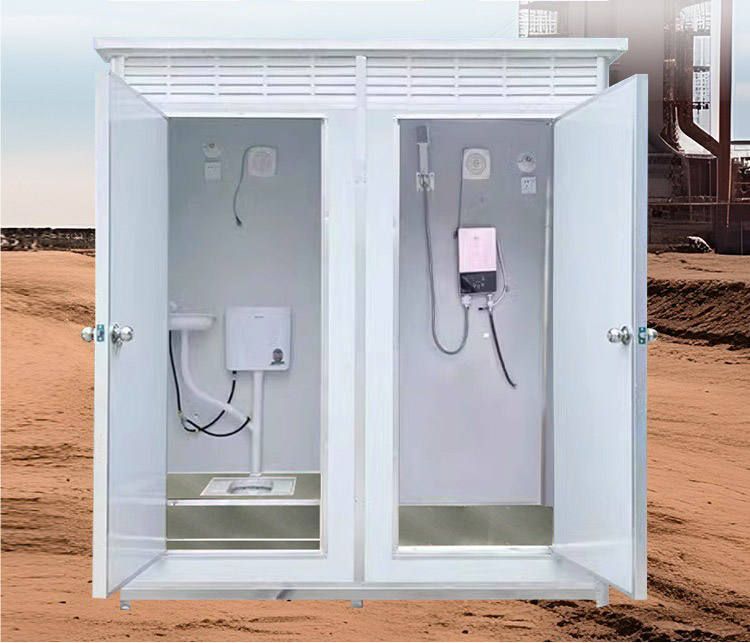
Environmental Erosion
- Natural Factors: Prolonged exposure to ultraviolet rays can directly cause physical changes in materials such as plastics and fiberglass, including fading, brittleness, and gradual weathering and cracking of the surface, reducing structural strength. Long-term immersion in rainwater can lead to mold and aging of the bottom sealing strips, resulting in water leakage and affecting the normal operation of internal equipment. Corrosive substances in salt spray and chemical waste gas in coastal areas can accelerate the rusting and jamming of metal fittings in the toilet body, shortening the service life. Large temperature differences between day and night can cause materials to expand and contract, gradually widening the gaps between joints, continuously decreasing sealing performance, and ultimately leading to liquid leakage or odor diffusion.
- Climate and Regional Differences: Extreme climatic conditions can cause significant damage to mobile toilets. For example, areas with intense ultraviolet rays can accelerate the embrittlement of plastics. High-humidity environments (such as the acid rain areas in Chongqing) require the use of specialized aluminum-plastic panels to resist corrosion. Salt spray corrosion in coastal areas can accelerate the aging of metal components, potentially shortening their lifespan by 20%-30%. Low temperatures in cold regions can cause plastics to become brittle, increasing the risk of cracking.
Human-Induced Wear and Tear
- Improper Use: Users casually throwing in debris can easily cause pipe blockages or mechanical jamming. Violent opening and closing of doors and collisions with heavy objects can lead to door panel deformation and hinge breakage. Long-term failure to remove waste can result in excessive pressure in the fecal storage tank, exacerbating internal corrosion.
- Improper Storage and Handling: In a cluttered storage environment, sharp building materials may scratch the surface of the toilet body, damaging the protective structure. Frequent violent transportation or lifting can cause the bottom to deform under stress, leading to weld cracking and leakage, directly affecting structural stability.
- Improper Cleaning: The use of low-quality cleaning agents or strong acids to scrub the inner walls can corrode the surface protective coating, causing peeling and flaking, resulting in a dual decrease in aesthetics and sealing performance.
- Usage Intensity: Mobile toilets with an average daily usage of over 200 people may experience accelerated component wear due to high-frequency use, potentially shortening their lifespan by 30%-50%.
Related