Reasons for Choosing Portable Toilets
The reasons for choosing portable toilets are mainly related to adapting to different scenario requirements, meeting special functional needs, and addressing site condition limitations, as detailed below:

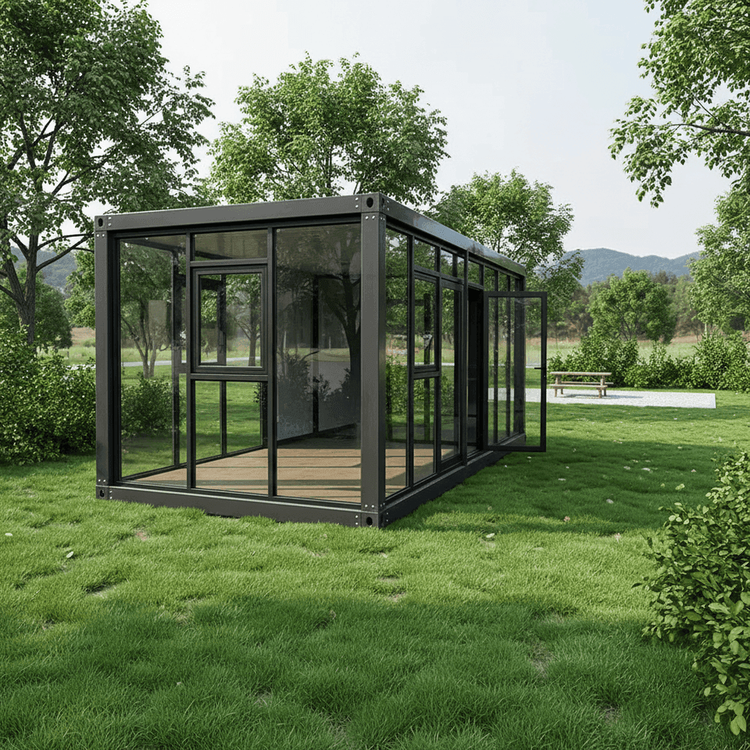
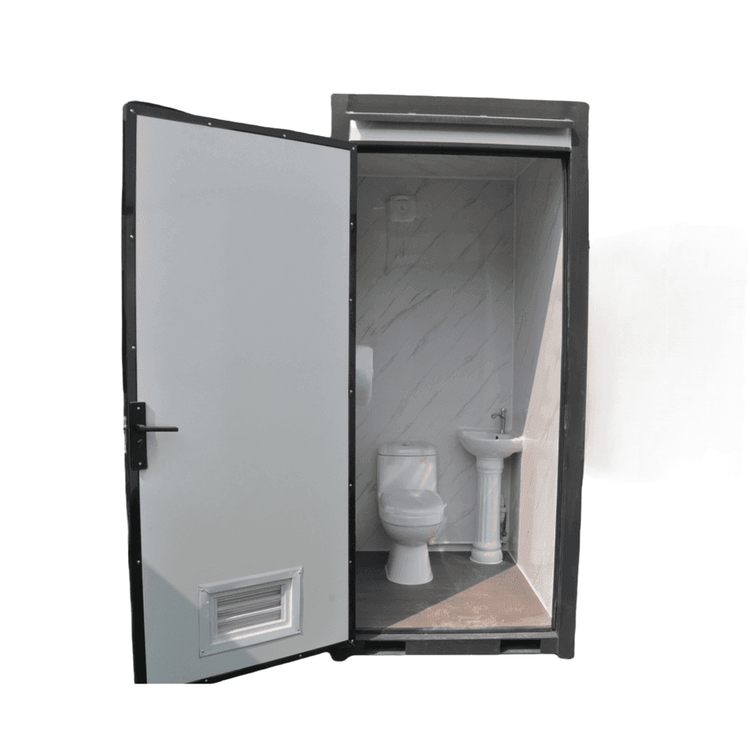
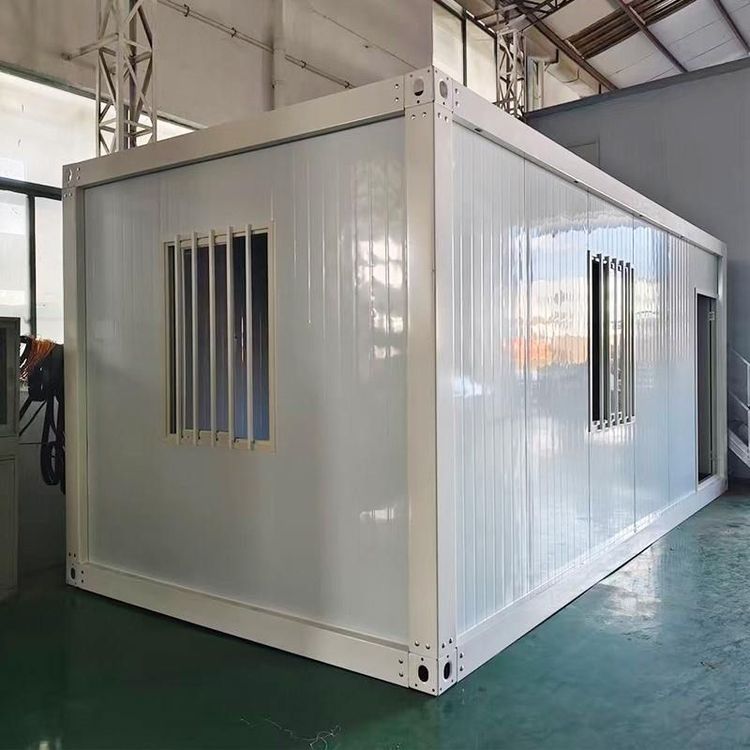
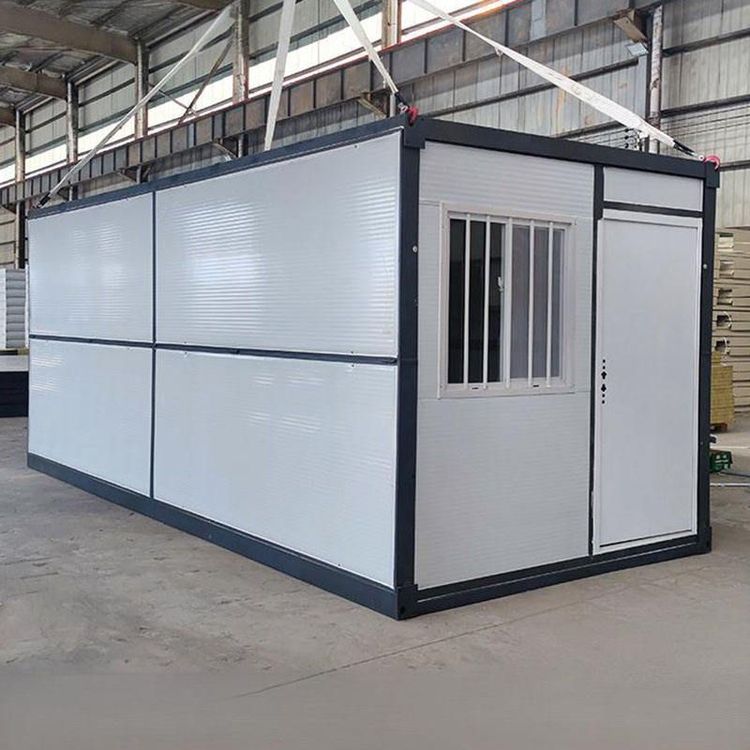
Adapting to different scenario requirements is an important consideration when choosing portable toilets. In outdoor construction scenarios, such as construction sites and temporary work areas, simple steel-structured portable toilets are more suitable. Their sturdy structure can withstand a certain amount of external impact, ensuring safety during use; they are easy to assemble and disassemble, allowing for flexible relocation based on construction progress; and they can be repeatedly transported, reducing usage costs and making them ideal for short-term construction projects. For景区 (scenic spot) operations, assembled landscape portable toilets are more popular. Their simple and elegant appearance can blend with the natural environment or cultural landscapes of the scenic spot, enhancing the overall image of the area; they have good sealing properties, effectively preventing odor emission and providing a comfortable restroom environment for tourists; and they are less prone to accumulating odors, reducing the frequency of cleaning and maintenance. In rural outdoor areas, camping bases, and other sites without a pipeline network, pipeline-free ecological portable toilets are the best choice. They do not require complex civil engineering construction, are quick and easy to install; their sewage discharge design is reasonable and leak-proof, preventing pollution to the surrounding soil and water sources, and meeting rural environmental protection requirements. For large-scale temporary events such as sports competitions and exhibitions, where there is a high and concentrated flow of people, multi-compartment portable toilets can effectively alleviate restroom shortages. Multiple toilet compartments can be used simultaneously, improving usage efficiency and reducing waiting times for tourists or exhibition attendees.
Meeting special functional needs should not be overlooked. As a service provider for tourists, scenic spots may require portable toilet models with barrier-free facilities to facilitate use by special groups such as the disabled and the elderly, demonstrating humanistic care. Construction sites have relatively harsh environments, placing high demands on the durability and practicality of portable toilets. Durable materials ensure normal use under frequent usage and harsh weather conditions, while practical designs such as large-capacity fecal storage tanks reduce the frequency of cleaning. At large-scale event venues, where people may need to store items, portable toilets equipped with partitions and hooks can meet this need, improving convenience of use. In places with high foot traffic, to avoid cross-infection, it is advisable to choose models with foot-pedal flushing, which do not require hand contact with the flush button, making them more hygienic and safe.
Addressing site condition limitations is also key when choosing portable toilets. Some sites have limited space, such as narrow streets and small event venues, where compact portable toilet models should be chosen to make full use of the limited space and meet usage needs. In suburban areas without sewage pipelines, pipeline-free ecological portable toilets can solve sewage discharge problems without the need for laying complex sewage pipelines, reducing construction difficulty and costs.