
Real Experience of Container House
The real experience of living in a container house varies depending on its design, renovation quality, and personal expectations. Overall, the comfort level differs from that of traditional houses, but it offers a unique lifestyle. Specific experiences can be analyzed from the following aspects:
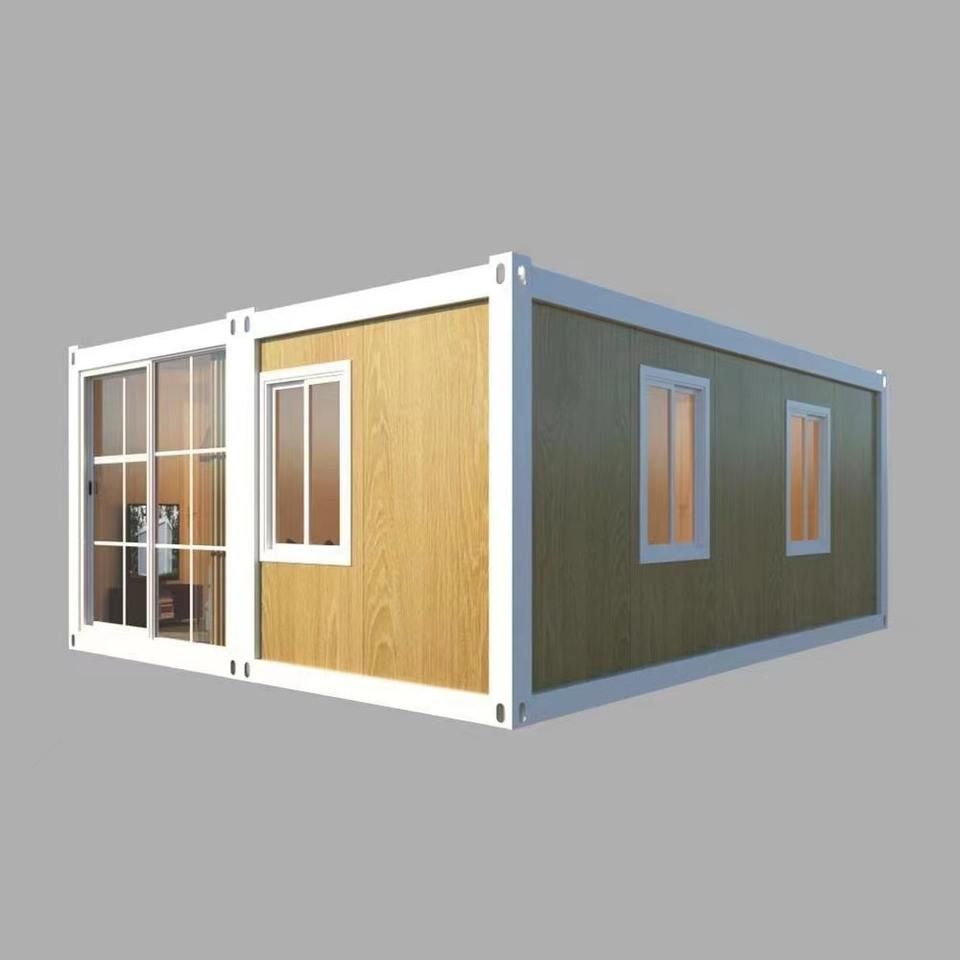
1. Sound Insulation and Thermal Insulation Performance
The metal material of container houses results in weak sound insulation. Without special renovations, external noises (such as traffic sounds and rain sounds) can be quite noticeable, potentially causing long-term disturbances for residents. Thermal insulation performance also relies on renovation measures. Without added insulation layers or sun-shading facilities, direct sunlight in summer can make the interior stuffy, necessitating reliance on air conditioning for cooling. In winter, the rapid heat conduction of metal may lead to insufficient warmth retention. If renovated properly (such as adding rock wool insulation layers and double-glazed windows), comfort can be significantly improved, but it is still difficult to fully match that of traditional brick houses.
2. Space Utilization and Layout
The rectangular structure of container houses limits interior space, requiring clever design to achieve functional zoning. For example, setting up a small kitchen, bathroom, and storage space, and choosing foldable and multi-functional furniture to save space. However, the compact layout may make those who prefer abundant storage or a spacious environment feel压抑, necessitating a balance between 'simplicity' and 'practicality'. Some cases expand functionality and enhance the living experience by combining multiple containers (such as three containers forming a 138-square-meter guesthouse) or utilizing outdoor space (such as transforming flat roofs into terraces).
3. Safety and Stability
Single-story container houses have good stability with a solid foundation, almost without any shaking sensation. However, for container houses in high-rise or earthquake-prone areas, the structural strength and fixing methods (such as welding reinforcement and wind-resistant anchors) must be strictly examined to ensure safety. For example, the container dormitories at the 2026 Nagoya Asian Games experienced floor waterlogging and water pipe dripping due to heavy rain, leading to the emergency evacuation of some residents, highlighting issues with renovation quality and maintenance.
4. Psychological Experience and Lifestyle
The living experience in a container house carries a sense of 'temporariness' and 'experimentation', differing from the 'stability' of traditional houses. This non-traditional nature gives residents the freedom to create, such as exploring new lifestyles through personalized renovations. If the environment is quiet, the contrast between the view outside the window and the regular structure of the container can create a unique living feeling. However, some cases (such as the narrow single rooms in the Asian Games dormitories) also reflect the impact of design flaws on psychological comfort.



