
Ready-to-Use Mobile Toilets
Ready-to-use mobile toilets are portable restroom facilities that can be moved as a whole and quickly deployed, suitable for both fixed and temporary locations, featuring easy installation, environmental protection, and durability. The following provides an introduction from aspects such as structure, functionality, materials, and usage scenarios:
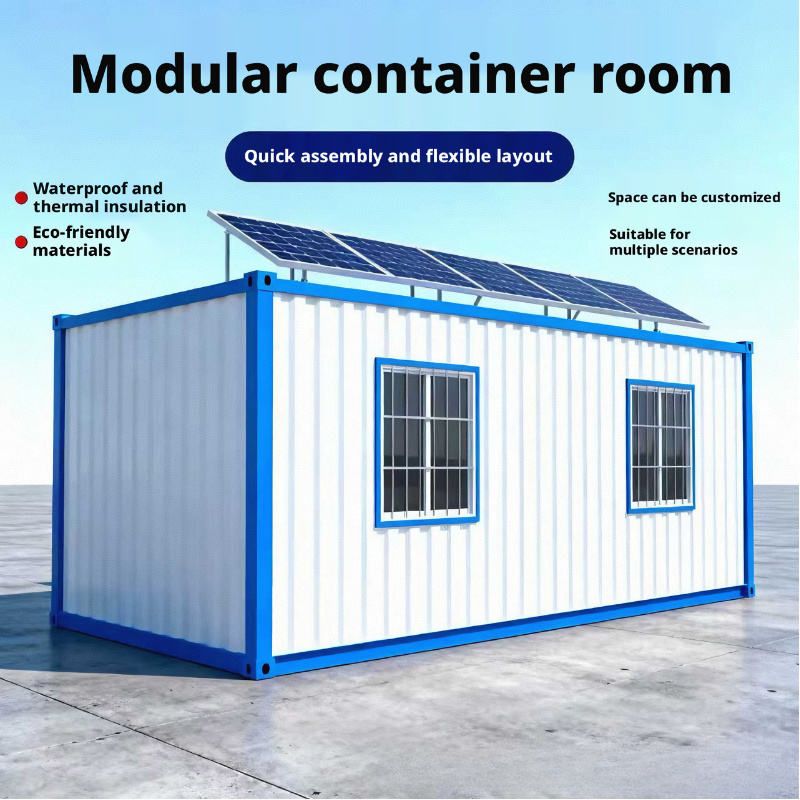
I. Structural and Installation Features
These toilets are processed in a standardized manner in factories and assembled as a whole, eliminating the need for on-site construction or damage to the ground structure. They are equipped with thickened components at the bottom and secured with locking devices after being placed on the ground to ensure stability. This design allows the toilets to be deployed in a short time, such as at large event venues, construction sites, or disaster areas where temporary restroom facilities are needed. They can be put into use immediately after being transported to the site, greatly shortening the construction cycle.
II. Functional and Environmental Design
- Flushing System: Some models are equipped with vacuum flushing technology, using only about 1 liter of water per flush, significantly saving water resources. The interior features stainless steel floors for easy cleaning and durability.
- Waterless and Electricity-Free Solutions: For scenarios with limited water or electricity supply, a combination of packaged squat toilets and fecal storage tanks is used. Waste is treated through biodegradation or regular cleaning, eliminating the need for external water and electricity connections, making them suitable for remote areas or emergency situations.
- Dual Options: Both squat and sit toilets are available to meet the usage habits of different people and enhance comfort.
III. Materials and Durability
The entire toilet is made of 304 stainless steel, which is corrosion-resistant and easy to clean, adapting to harsh outdoor environments. The design of packaged squat toilets and fecal storage tanks further extends the equipment's lifespan and reduces maintenance frequency. For example, in long-term construction sites, these toilets can withstand high-frequency use without easy damage.
IV. Typical Usage Scenarios
- Temporary Events: Short-term events like music festivals and sports competitions require rapid deployment of sanitation facilities. Mobile toilets can be removed after the event ends, avoiding resource waste.
- Emergency Rescue: After earthquakes, floods, and other disasters, traditional toilets are often out of service. Mobile toilets can immediately restore basic sanitation services.
- Long-term Fixed Locations: Parks, scenic spots, and other areas with high visitor traffic or complex terrain can use mobile toilets as supplementary facilities, allowing flexible adjustment of their locations.
These toilets achieve "ready-to-use" functionality through modular design, balancing efficiency, environmental protection, and practicality, making them an important tool in modern urban management and emergency response.
You may also like

Portable Toilet Custom Explained: How to Choose the Right One
Read More
Top Portable Toilet Smart Manufacturers: How to Choose a Factory Partner
Read More
Portable Toilet Picture: Top Options & Considerations
Read More