
Race Portable Toilet
Race portable toilets are movable sanitation facilities deployed in events to meet the temporary toilet needs of participants and staff. Their rental, distribution, and management directly affect the event experience and sanitation safety.
Rental Services and Types
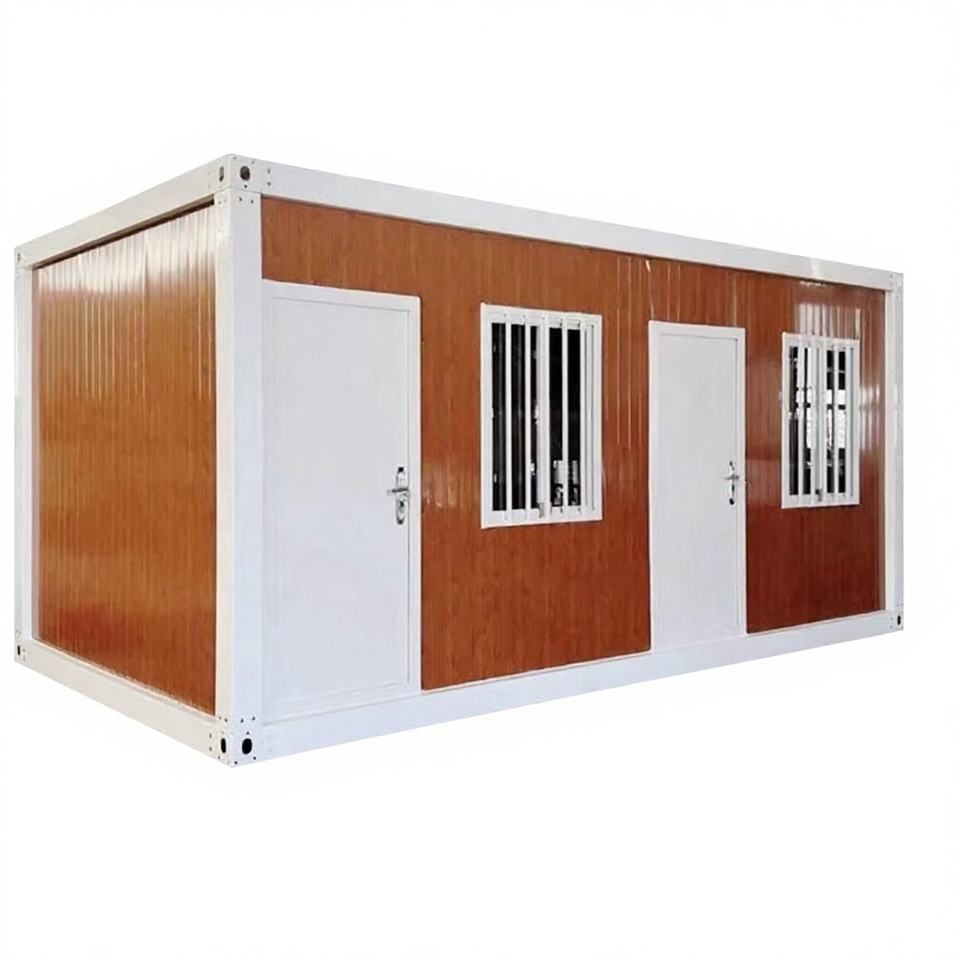
Large-scale events in China, such as marathons, often rely on environmental protection equipment companies to provide portable toilet rental services to meet temporary needs. For example, companies in Shanghai, Nantong, and Suzhou offer various types of portable toilets, including luxury vehicle-mounted toilets (equipped with air conditioning, sinks, and other facilities, suitable for high-end events) and temporary event toilets (basic models with lower costs, suitable for large crowds). Rental prices vary depending on the type, quantity, and duration of use, with daily rental prices per unit ranging from several hundred to several thousand yuan. Event organizers need to choose based on their budget and requirements.
Distribution Design Issues
The reasonable distribution of portable toilets is crucial for maintaining event order. Taking the 2026 Harbin Marathon as an example, despite the official claim of sufficient toilet numbers (one every 2-3 kilometers) and volunteer guidance, distribution design flaws led to long queues in some areas and even participants relieving themselves on roadside lawns. The root causes include:
- Concentrated Placement: Some toilets had low utilization rates due to their remote locations or being blocked by other facilities;
- Functional Conflicts: Some toilets were used by participants for shelter from the rain, occupying toilet resources;
- Unmatched Dynamic Demand: Insufficient toilets in high-traffic areas during the starting phase, while toilets on later race sections remained idle.
This indicates that event organizers need to enhance efficiency through dynamic simulation of participant flow, optimized point layout (e.g., near aid stations, start/finish lines), and setting up backup toilets.
Sanitation Management and Emergency Configuration
Event sanitation management requires both rule refinement and emergency response. In the 2025 HYROX Beijing event, the lack of clear penalty clauses in the rules for赛道 (track) contamination caused by physiological emergencies such as incontinence led to the race not being halted, sparking discussions on emergency configurations for portable toilets. Such incidents reveal two issues:
- Rule Gaps: Disposal clauses for sudden sanitation incidents need to be supplemented to clarify responsibilities between participants and the organizing committee;
- Insufficient Emergency Preparedness: Portable toilets should be equipped with disposable sanitation products (e.g., disinfectant wipes, garbage bags) and rapid cleaning teams to handle contamination incidents. Additionally, event organizers can reduce risks through advance promotion of sanitation norms and setting up medical aid points.
In conclusion, the configuration of race portable toilets requires optimization across the entire chain, from rental selection and distribution design to sanitation management, to ensure the smooth operation of events.



