Quzhou Environmental Protection Mobile Toilet Installation
The installation of environmental protection mobile toilets in Quzhou requires comprehensive consideration of multiple factors, including operational mechanisms, environmental adaptability, service support, and product types.

Operational mechanisms and construction are the foundation of installation. Mobile toilets in Quzhou often adopt waterless treatment technologies, such as biodegradation (using microbial agents to decompose organic waste) or chemical solidification (using polymer materials to adsorb liquid substances). Their 'mobile' nature is achieved through two structural designs: integrated box structures, which are fully assembled in factories and transported as a whole, suitable for rapid deployment; and modular structures, which allow individual modules to be transported and assembled on-site, offering greater flexibility. During installation, appropriate lifting or assembly methods must be selected based on the structural type, ensuring correct connections between internal treatment systems (such as microbial agent dispensing ports and solidification material storage bins) and external interfaces (such as ventilation pipes and drainage pipes).
Environmental adaptability is a crucial aspect of installation. The hilly terrain of Quzhou necessitates an assessment of site flatness and load-bearing capacity before installation, with concrete foundations or steel plates laid if necessary. The ventilation system should face the prevailing wind direction to enhance odor removal through natural airflow; during the rainy season, drainage slopes or additional catch basins should be designed to prevent waterlogging of the equipment. If solar power is used, the angle of the photovoltaic panels should be adjusted according to Quzhou's average annual sunshine duration (approximately 1800 hours), typically set at the local latitude plus 5 degrees, to ensure efficient power generation.
Service support under the leasing model spans the entire installation cycle. Service providers need to estimate user traffic and usage duration based on the application scenario (such as marathons or tourist attractions), matching the processing unit capacity (e.g., daily processing capacity of 500 people) with the microbial agent replenishment cycle (usually every 7-15 days). The installation process includes site foundation preparation (such as ground hardening), facility lifting and positioning (with an error margin of ±5 cm), power connection (or solar system wiring), and commissioning. Subsequent services include periodic inspections (at least once a week), consumable replenishment (such as solidification materials and deodorizers), and 24-hour emergency response.
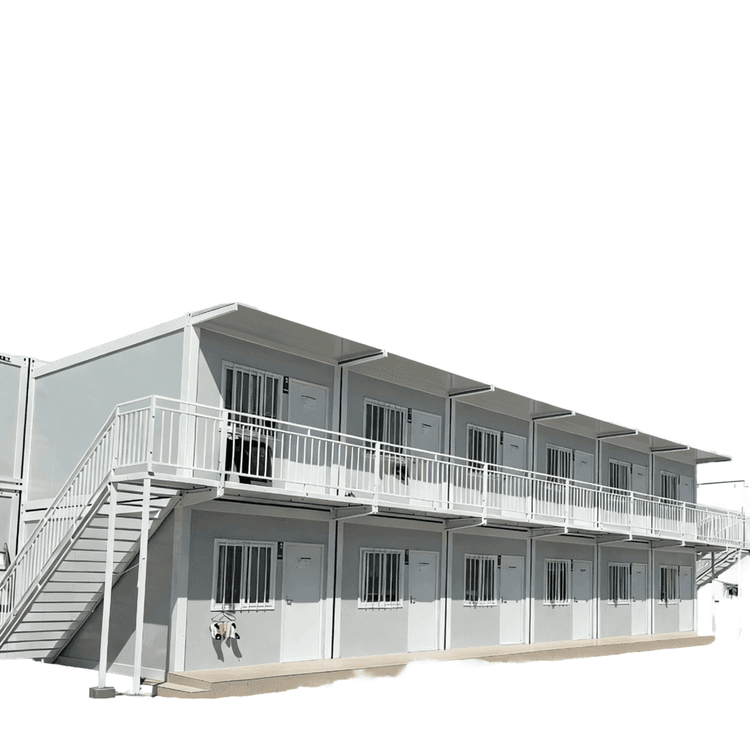
Product types must be precisely matched to the scenario. Tourist attractions are better suited for prefabricated or container-style toilets, balancing aesthetics and durability; temporary construction sites are ideal for water-saving toilets that reduce water consumption through recirculating water systems; vehicle-mounted toilets are suitable for dynamic scenarios such as mobile monitoring stations. All types must comply with the 'Urban Public Toilet Design Standard' (CJJ14-2016), ensuring the provision of barrier-free facilities, lighting, signage, and other supporting amenities.