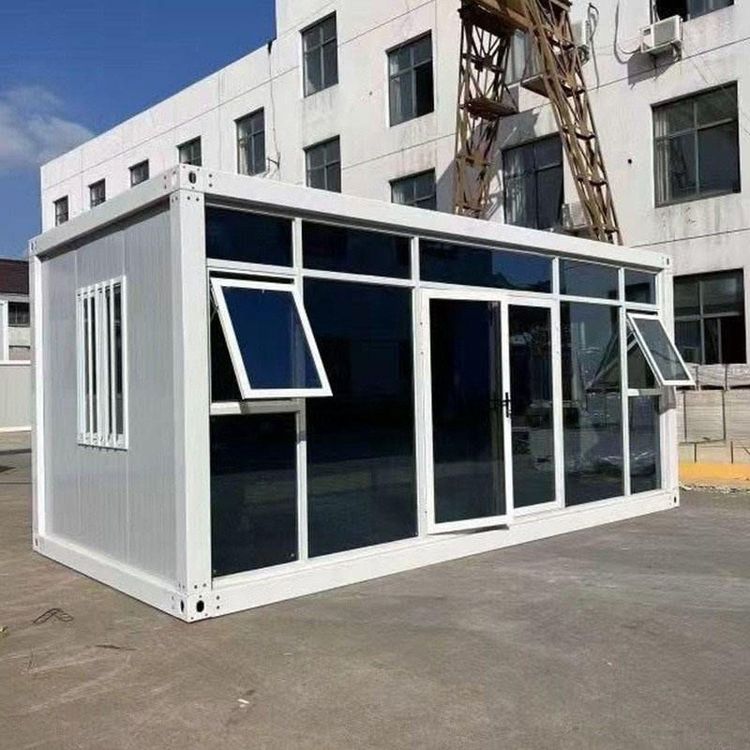
Quanzhou Mobile Vehicle Toilet
The Quanzhou mobile vehicle toilet is an independent sanitation unit that can be flexibly transported and deployed, suitable for temporary high-density scenarios. The following provides an explanation from three aspects: core features, functional configurations, and application scenarios.

I. Core Features
The vehicle-mounted mobile toilet achieves rapid combination and expansion through standardized and modular design. Its greatest advantage lies in transportation convenience. The vehicle chassis integrates a fecal waste collection system, ventilation devices, and storage space for cleaning supplies. There is no need to build complex infrastructure on-site; it can be directly transported to the target location using a towing vehicle or cargo vehicle. This design enables it to quickly respond to sudden demands at large-scale events such as marathons and music festivals or meet the periodic usage needs of mobile work sites like construction sites.
II. Functional Configurations
- Fecal Waste Treatment System: It employs an independently sealed fecal storage tank with an anti-leakage structure, capable of storing several days' worth of usage. It is regularly pumped out and treated by professional vehicles to avoid secondary pollution.
- Ventilation Optimization: A forced exhaust device is installed on the top, combined with bottom air inlets to form air convection, effectively reducing odor concentration. Some high-end models are also equipped with activated carbon filtration modules.
- Cleaning Guarantee: It has built-in disinfectant spraying devices, tissue boxes, and garbage collection containers. Some models are additionally equipped with simple hand-washing facilities (such as touch-free faucets + small water storage tanks) to meet basic sanitation needs.
- Modular Expandability: A single vehicle can be used independently or connected in series with other toilets of the same model through quick-connect interfaces to form a temporary sanitation area, enhancing service capacity during peak periods.
III. Typical Application Scenarios
- Large-scale Cultural and Sports Events: Deployed along marathon routes, in music festival audience areas, and other densely populated regions to address short-term high-volume restroom needs.
- Construction Sites: Provides temporary sanitation facilities for mobile workers, moving with the progress of the project and reducing the construction costs of fixed toilets.
- Disaster Emergency Response: After earthquakes, floods, and other disasters, it can be quickly transported to resettlement sites as a temporary sanitation solution to reduce the risk of disease transmission.
- Tourism Scenic Spot Supplement: During holiday peaks in tourist traffic, it serves as a supplement to fixed toilets, alleviating queue pressures and enhancing the visitor experience.
This type of toilet, through the innovative combination of a "mobile carrier + modular sanitation unit", achieves flexible deployment and efficient utilization of sanitation facilities, becoming an important tool for temporary public sanitation services in modern cities.