
How is the Quality of Prefabricated House Components?
The overall quality of prefabricated house components is somewhat guaranteed, but there are both advantages and disadvantages, and the quality is influenced by multiple factors.
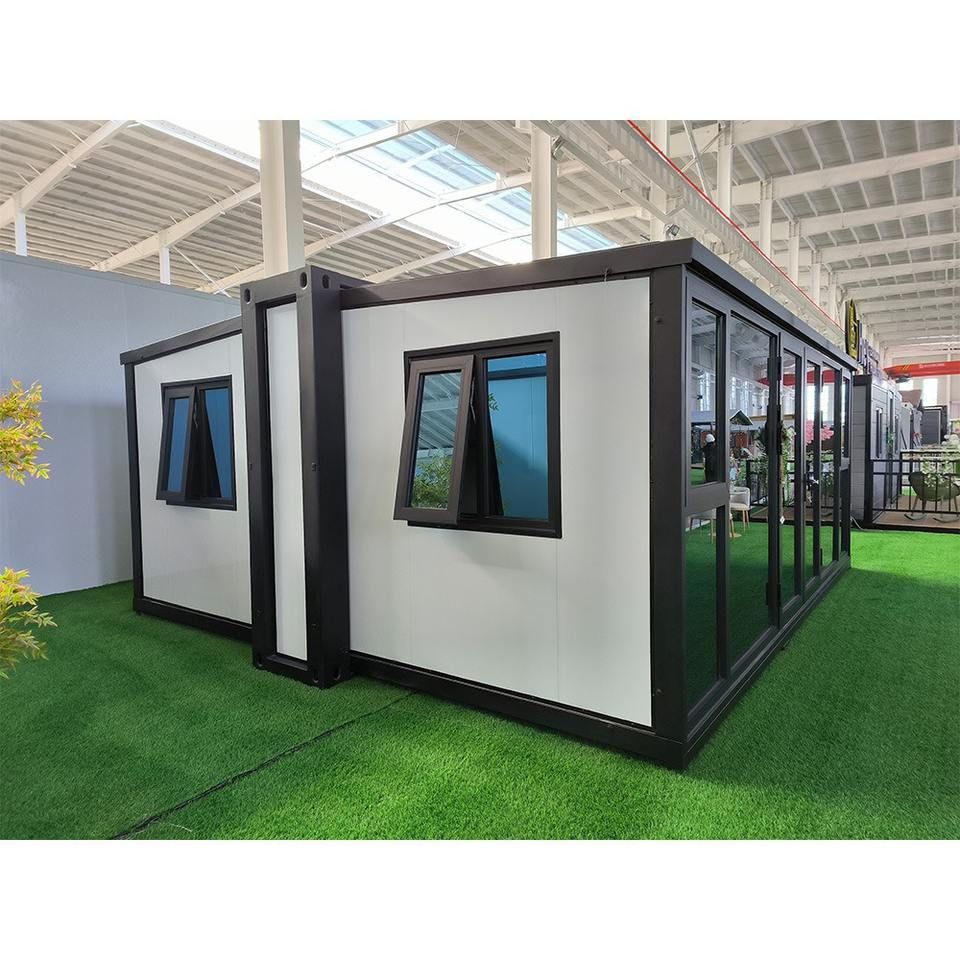
Compliance with Standards and Performance Requirements
As products, prefabricated components must meet national and industry standards that ensure human health, personal and property safety, and possess the necessary performance characteristics. This includes aspects such as the structural safety of the house, living comfort, and the integrity of equipment and facilities. During the production process, it is essential to establish and improve a quality inspection system for construction, strictly manage the procedures, and ensure that every step meets quality requirements.
Advantages
- Strength and Seismic Performance: Prefabricated components are produced using high-precision molds, resulting in higher concrete strength compared to traditional construction methods. Their seismic performance has passed simulated tests for magnitude 7 earthquakes. After technological improvements in new prefabricated houses, the use of reinforced concrete monolithic pouring techniques can enhance seismic performance to magnitude 8 standards. The connection nodes of prefabricated cement house components are specially designed, offering better seismic performance than some brick-concrete structures.
- Environmental Protection and Sustainability: The use of recyclable materials reduces construction waste by 8%, with material recycling rates exceeding 90%, aligning with environmental protection and sustainable development principles.
- Service Life and Living Experience: The service life of new prefabricated houses has been extended to 70 years, and the insulation design with interlayers improves sound and heat insulation effects.
Disadvantages
- Sound Insulation Issues: There are cases of poor sound insulation, being 20 decibels below the normal standard, making it easy to hear noises from upstairs.
- Maintenance Costs: After 20 years, annual maintenance costs will increase by 1,500 to 3,000 yuan.
Influencing Factors
The reliability of quality depends on several core aspects, including material selection and production processes, where high-quality materials and advanced techniques ensure the basic quality of prefabricated components; joint connection technology, where good connection methods enhance structural stability; and construction management and acceptance standards, where strict management and standardized acceptance ensure the quality of prefabricated components in practical applications.



