Quality Assurance of Container Houses
Quality assurance of container houses requires comprehensive control from multiple aspects, including materials, craftsmanship, electrical systems, and maintenance.
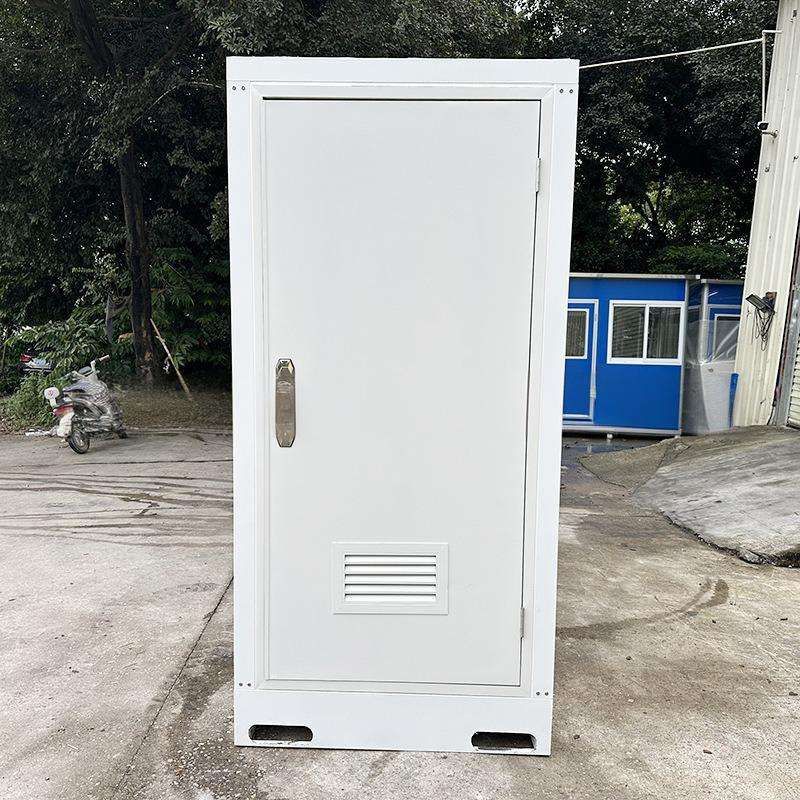
Selecting high-quality materials is fundamental. The fire resistance of container houses is closely related to material selection. Key components such as exterior wall panels, insulation materials, and coatings must have high fire-resistance ratings and excellent flame-retardant properties to reduce fire risks. As the main structural component, steel must have an appropriate thickness: being too thin can lead to deformation, while being too thick increases costs and may affect transportation and installation. Additionally, the exterior of the steel must be evenly painted to form a dense anti-corrosion layer, preventing rust from affecting structural strength. High-quality materials also enhance the durability of the house. For example, using corrosion-resistant, wear-resistant, and high-temperature-resistant composite materials can withstand harsh environments such as humidity, high temperatures, and strong winds, extending the service life.
Fine craftsmanship and design optimization are core. During the manufacturing process, welding quality must be strictly controlled to ensure uniform welds without pores or cracks, preventing water leakage or collapse due to structural looseness. Sealing performance is also crucial; windows, doors, and joints must be treated with waterproof strips or sealants to prevent rainwater infiltration. During the design phase, the location of firewalls should be reasonably planned to isolate flammable areas (such as kitchens) from other spaces. Window and door sizes must comply with evacuation standards to ensure rapid personnel evacuation in emergencies. Additionally, modular design enhances the flexibility and scalability of the house, adapting to different scenarios.
Electrical system safety must be a priority. Electrical installations in container houses must comply with national standards, using flame-retardant cables and explosion-proof electrical equipment to prevent fires caused by aging or short-circuiting of wires. The circuit layout should be reasonable to avoid overloading and be equipped with leakage protection devices. Regular inspections and maintenance are essential, such as checking the insulation performance of the wiring every six months and cleaning electrical dust annually to ensure the equipment remains in a safe condition.
Regular maintenance and user training cannot be overlooked. Manufacturers must provide users with detailed maintenance manuals to guide them in regularly inspecting the house structure, seals, and electrical systems. For example, checking for steel rust every quarter and replacing aging seals annually. Additionally, organizing fire drills and training users on the correct use of fire extinguishers and familiarity with escape routes enhances their ability to respond to emergencies.