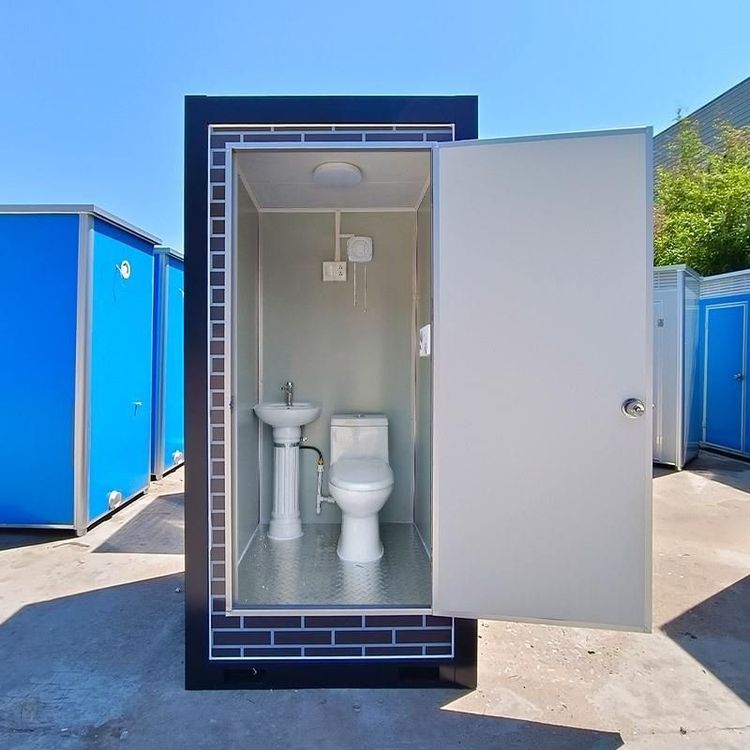
Mobile Toilets in Qiyang County
There are services and applications related to mobile toilets in Qiyang County, covering rental services, newly-built mobile public toilets, and product composition and characteristics.
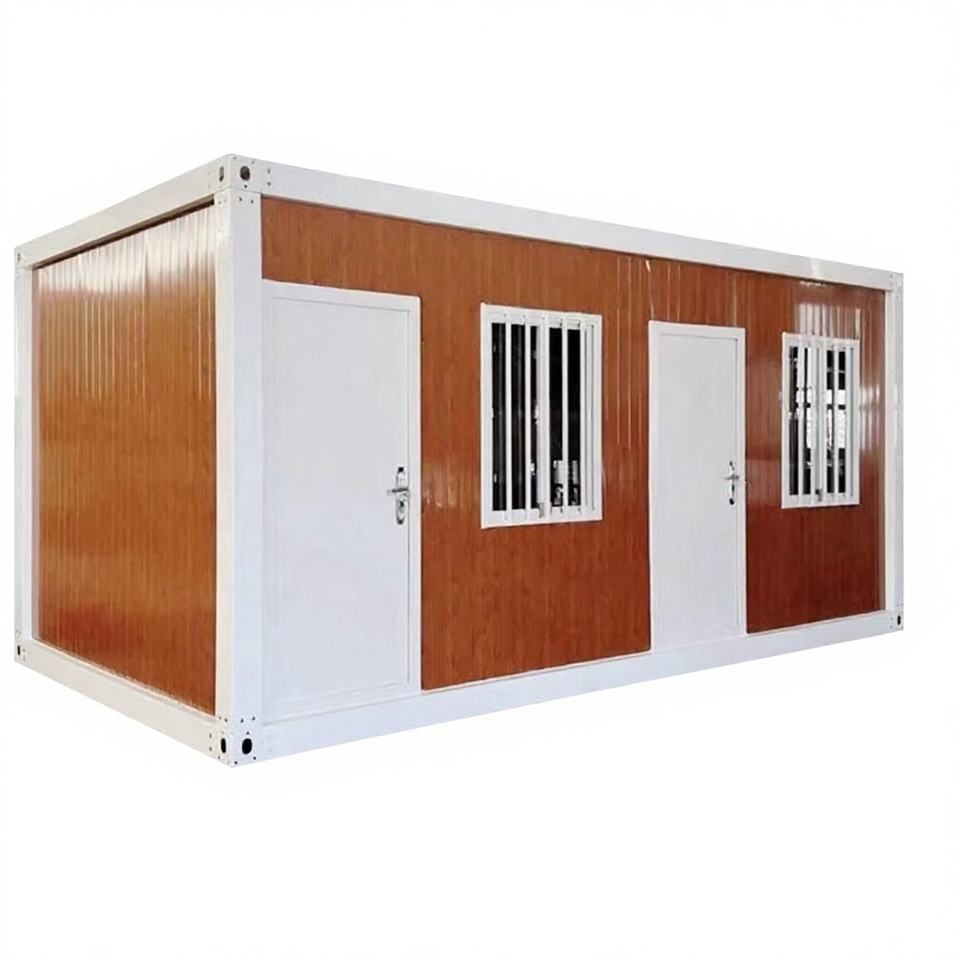
Rental Services
Qiyang County in Yongzhou City offers intelligent mobile public toilet rental services, primarily targeting outdoor events, temporary public facilities, and remote areas. These toilets feature a modular structure, enabling rapid deployment and retrieval. High mobility is their core advantage, as they can be flexibly transferred to different sites using dedicated trailers. In terms of environmental protection and energy efficiency, they employ water-saving flushing systems and solar power technology to reduce resource consumption. For hygiene and safety, regular disinfection and deodorization systems ensure a clean usage environment. Smart management integrates intelligent monitoring to enable real-time monitoring of equipment status and usage, enhancing management efficiency.
Newly-Built Mobile Public Toilets
In Qiyang County, Hunan Province, eight mobile public toilets have been constructed in parks, scenic spots, and community gardens such as Baizhu Lake Square and Yanjiang Road. These toilets are made of stainless steel, with each covering an area of 20 square meters. They are fully equipped with internal facilities, including washbasins, exhaust fans, mirrors, etc., and can accommodate four people simultaneously. Additionally, they feature dedicated restrooms for the elderly, disabled, and sick, reflecting a human-centered design. The newly-built toilets are quickly installed through modular assembly, addressing the issue of long construction periods associated with traditional public toilets and adapting to the dynamic needs of public areas.
Product Composition and Characteristics
Mobile toilets typically consist of fecal sewage storage tanks (or disposal units), floor slabs, sanitary fixtures, walls, washing equipment, water tanks, roofs, and mobile devices. Their core advantages include:
- Mobility: They can be transferred to different sites using trailers or integral lifting, meeting the needs of temporary events or remote areas.
- Combinability: Modular design supports single-unit use or multi-unit assembly, allowing flexible scale adjustments.
- Easy transportation: The overall structure is lightweight and durable, with factory-prefabricated units installed on-site, shortening construction periods. They can be classified by structural form into single-unit and connected types; by mobility into trailer-mounted and self-propelled types; and by sewage treatment into direct-discharge, packing, and biodegradation types. The design adheres to principles of mobility, cost-effectiveness, and durability, while considering environmental protection and hygiene needs. For example, corrosion-resistant materials are used to extend service life, and sealed designs prevent odor diffusion.