
Qingyang Garden Mobile Toilet
The Qingyang garden mobile toilet is an outdoor sanitation facility that integrates modular design, ecological technology, and regional adaptability. It is primarily used in scenic spots and temporary events, offering advantages such as flexible relocation, environmental friendliness, and low-energy operation.
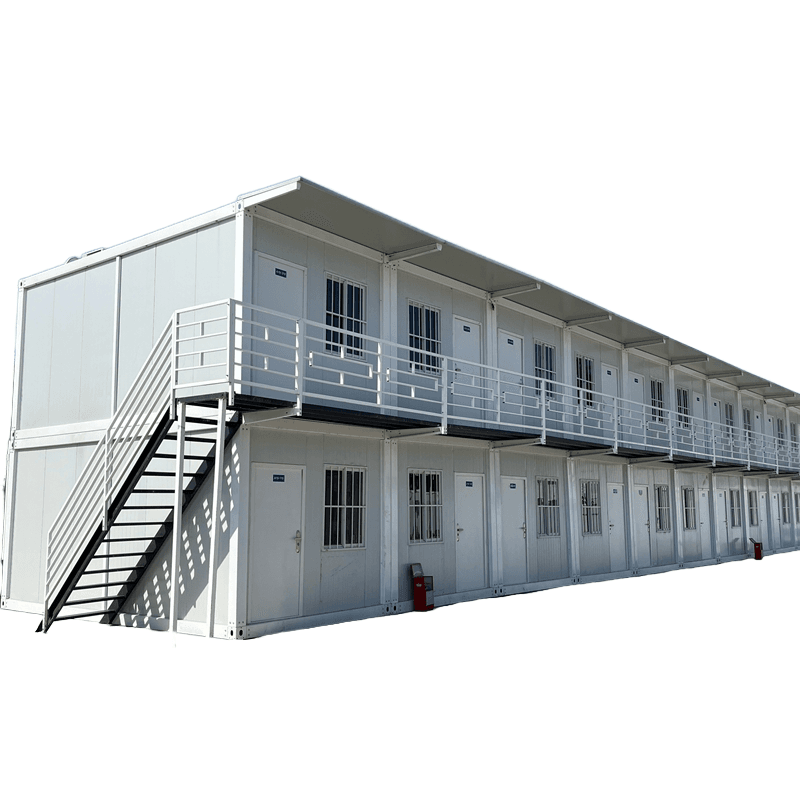
Modularity and Relocatability
The core design of the mobile toilet is based on modular standard units. The main body is prefabricated in the factory, and after basic internal assembly, it is transported to the site for rapid assembly and fixation. The structure uses lightweight, high-strength composite materials, facilitating easy hoisting and relocation. It can flexibly adapt to the varying spatial demands of scenic spots during peak and off-peak seasons or the concentrated use scenarios of temporary events. For example, additional units can be quickly added during the tourist peak season and relocated to other areas during the off-peak season to avoid resource idleness.
Ecological Treatment Technology
Some models employ microbial degradation or bio-enzyme catalysis technology, breaking down waste through internal microbial communities to achieve initial reduction. Other systems combine physical separation with aerobic fermentation to convert organic matter into a stable state, reducing reliance on centralized sewage networks. For instance, the bio-degradation treatment system can operate for several weeks without external power. The feces collection device uses negative pressure collection and oxidative decomposition to compress the residual volume to about 15% of the original waste. The treatment terminal is equipped with a three-layer protective isolation device to prevent leakage and contamination of the loess soil.
Regional Adaptability Design
Tailored to the gully-ridden topography of the Qingyang Loess Plateau, the mobile toilet features a modular chassis design that can adapt to undulating terrain. The water supply module is equipped with a dual-cycle filtration mechanism, improving water efficiency by about 40% through physical sedimentation and activated carbon adsorption. The energy supply integrates photovoltaic panels, meeting over 60% of daily energy needs under sunlight conditions. Some models are also equipped with wind power supplementary generation devices to enhance self-sufficiency during windy seasons.
Intelligent Maintenance Management
The unit is equipped with a sensor network that monitors capacity and treatment efficiency in real-time. When the bio-degradation efficiency falls below the threshold, it automatically prompts the addition of microbial agents. Cleaning and disinfection adopt a雾化 (atomized) spraying mode, saving 70% more water than traditional flushing. The power management module adjusts the power of ventilation fans and lighting based on usage frequency, switching to a low-power LED indicator mode at night to reduce energy consumption.
User-Friendly Design
The entrance passage features a gentle, anti-slip slope design, and the interior uses mirror reflections to enhance the sense of space. Auxiliary facilities include UV disinfection hooks, foldable storage tables, and ergonomic handrails. The cabinet is made of glass fiber-reinforced resin material, offering strong weather resistance. The surface micro-nano anti-fouling coating reduces the use of cleaning agents by about 80%.



