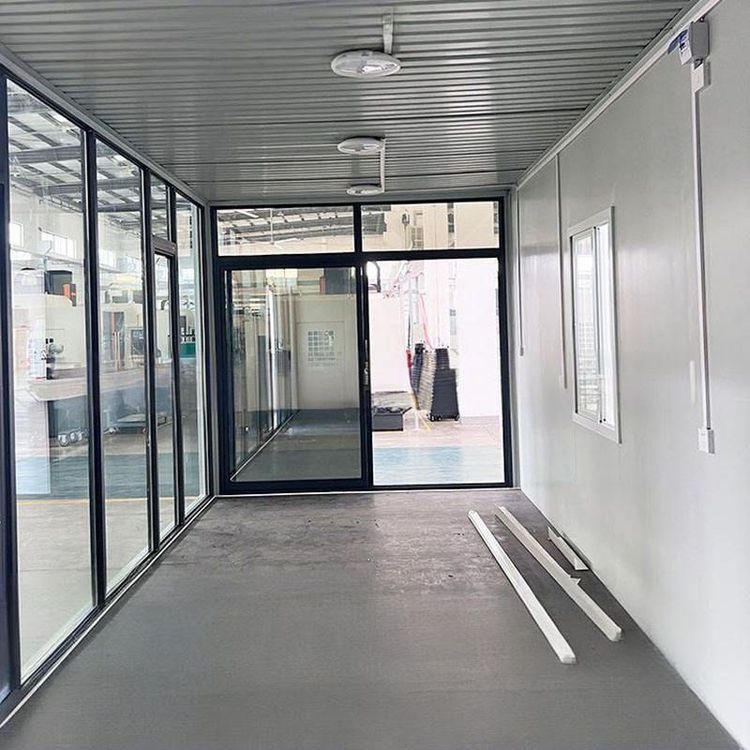
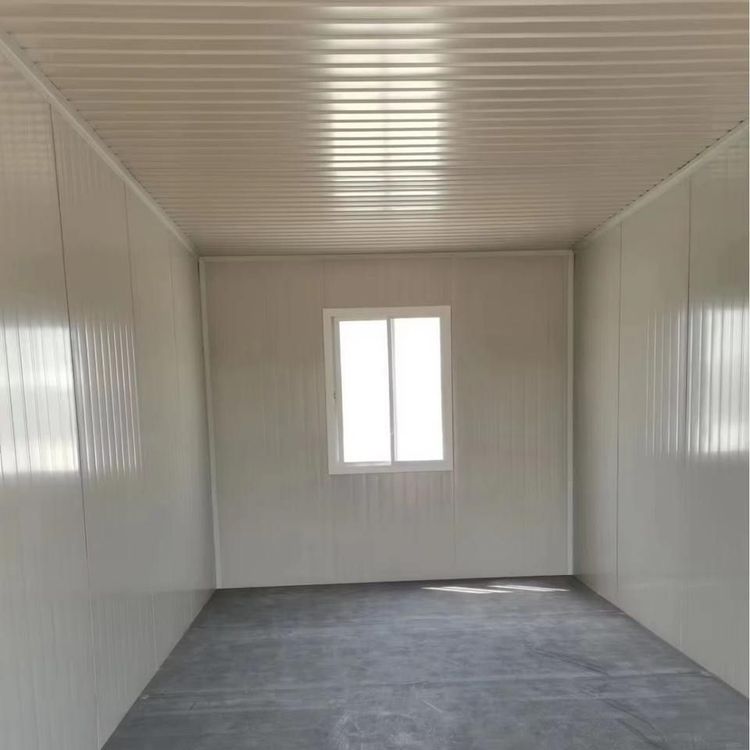
Qingshan Mobile Toilet
The Qingshan mobile toilet is a temporary configuration model of movable sanitation facilities, offering rental and sales services. It achieves rapid transportation and assembly through modular design, making it suitable for independent operation scenarios detached from municipal sewer networks.

Technical Structure and Functional Implementation
The core technology of the Qingshan mobile toilet lies in modular design and standardized production. Its frame is mostly made of lightweight, high-strength materials (such as aluminum alloy or composite materials), ensuring structural stability while facilitating transportation and assembly. Internally, it integrates three key systems:
- Water Circulation and Waste Treatment System: Some models are equipped with independent water supply tanks and wastewater collection tanks, enabling water recycling through physical filtration or chemical treatment. Other models adopt biodegradation technology to convert feces into harmless substances, reducing waste volume.
- Ventilation System: Combining natural convection (e.g., top vents) with mechanical exhaust (e.g., small fans), it maintains fresh indoor air and prevents odor accumulation.
- Independent Operation Capability: All systems operate independently of municipal sewer networks, powered by built-in energy sources (such as solar panels or batteries) to ensure continuous use in remote areas or temporary scenarios.
Deployment Logic and Application Scenarios
The deployment of mobile toilets follows the principle of “dynamic matching between demand and conditions,” primarily applied in three types of scenarios:
- Large-scale public events: For events like music festivals and sports competitions, where constructing fixed toilets is time-consuming and costly, mobile toilets can quickly cover peak crowds.
- Temporary construction sites: Construction sites have dense and mobile populations, and mobile toilets can be flexibly relocated according to project progress.
- Edges of nature reserves: Fixed toilets may disrupt ecosystems, while mobile toilets minimize environmental impact through low-intervention design.
Rental Services and Operational Maintenance
The core of rental services is “full lifecycle management,” including:
- Regular cleaning and consumable replenishment: Such as toilet paper and hand sanitizer, ensuring a basic user experience.
- Waste treatment compliance: Service providers must establish a professional logistics network to transport collected waste to compliant treatment plants, avoiding secondary pollution.
- Preventive maintenance: Extending facility lifespan and reducing failure rates through regular inspections (e.g., circuits, plumbing, structure).
Social and Public Service Value
Mobile toilets serve as a “flexible supplement” to urban public sanitation infrastructure, with value体现在 (translated as: with value reflected in):
- Bridging supply gaps: Providing temporary sanitation solutions in areas with insufficient fixed toilet coverage (e.g., disaster zones, remote scenic spots).
- Influencing public event patterns: For example, music festival organizers can reduce queue times by increasing the number of mobile toilets, enhancing event satisfaction.
- Promoting sustainable development: Water circulation and biodegradation technologies reduce water consumption and waste emissions, aligning with green development principles.