Materials for Mobile Toilets in Qingpu District
The main materials for mobile toilets in Qingpu District include plastic, galvanized steel structures, and reinforced concrete for some flooring. Here is a detailed explanation:

Plastic is one of the common materials for mobile toilets in Qingpu District. For example, some mobile toilets use plastic as the main structural material, with typical dimensions of 100010002400 (the unit may be millimeters, which needs to be confirmed based on the actual scenario), weighing approximately 100 kilograms. Plastic materials are lightweight, corrosion-resistant, and easy to clean, making them suitable for short-term use or scenarios with strict weight restrictions. Their smooth surfaces do not easily adsorb stains, and complex structures can be achieved through injection molding processes, reducing production costs. Additionally, the weather resistance of plastic allows it to adapt to outdoor environments, but prolonged exposure to ultraviolet rays or extreme temperatures may accelerate aging, which can be improved by adding UV stabilizers or choosing weather-resistant plastics (such as polyethylene and polypropylene).
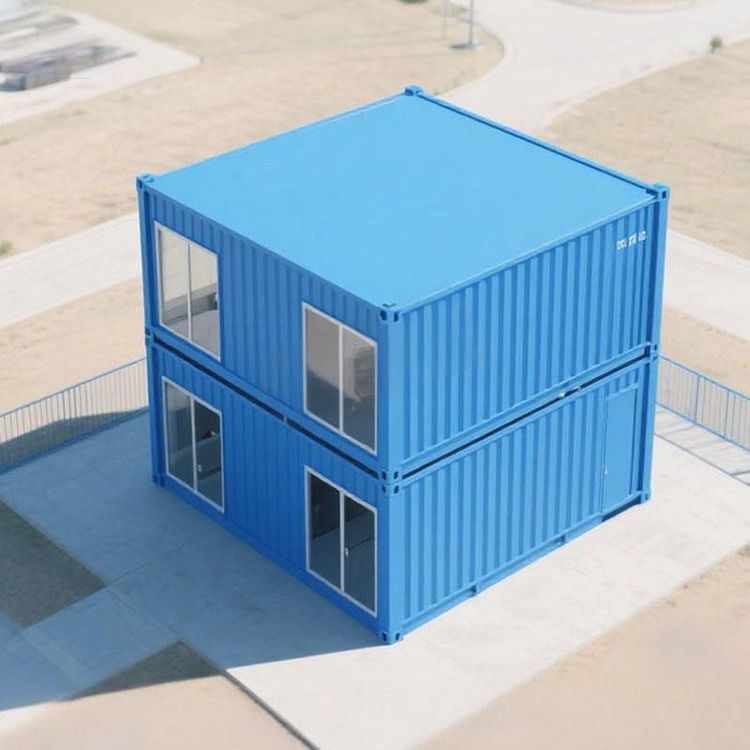
Galvanized steel structures are another core material. Galvanized steel forms a zinc layer on the surface of the steel through a hot-dip galvanizing process, effectively isolating moisture and oxygen to prevent rusting. This material has high strength and good stability, capable of withstanding large loads, making it suitable for long-term fixed use or scenarios with high structural strength requirements. Mobile toilets with galvanized steel structures usually adopt a modular design, facilitating transportation and assembly, and enabling quick installation through welding or bolt connections. However, their disadvantage is their relatively large weight, requiring professional equipment for handling, and the zinc layer may suffer local corrosion due to wear or scratches after long-term use, necessitating regular maintenance.
Some mobile toilets use reinforced concrete for flooring. Reinforced concrete combines the compressive strength of concrete with the tensile strength of steel, featuring high strength and good durability. As a flooring material, it provides stable support, preventing deformation caused by personnel activities or equipment loads. Reinforced concrete floors are usually used in combination with galvanized steel structures or plastic frames to form a composite structure, ensuring overall stability while reducing material costs. Additionally, the concrete surface can be treated for slip resistance to enhance safety, but attention should be paid to drainage design to avoid slipping or material deterioration caused by water accumulation.