How to Choose the Right Portable Toilet Bathroom
Choosing the right portable toilet bathroom requires considering factors such as durability, hygiene, ventilation, design, size, comfort, environmental friendliness, modularity, brand reliability, and ease of installation and maintenance.
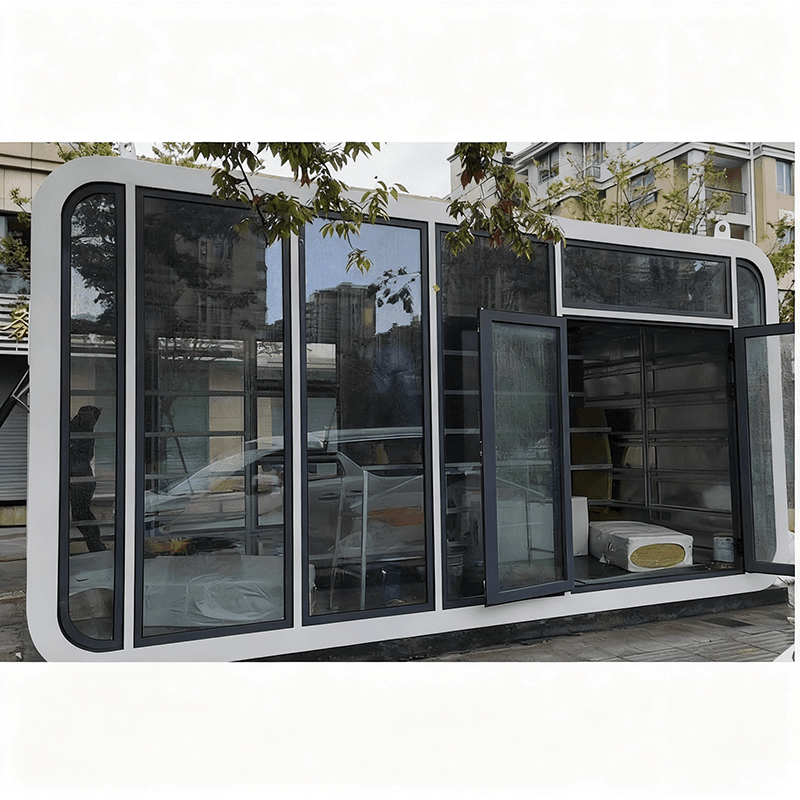
Durability and Materials: Portable toilets are exposed to outdoor environments for extended periods, so it is essential to choose products made from corrosion-resistant and weather-resistant materials (such as sandwich panels). These materials can effectively withstand rain, UV rays, and temperature changes, extending the equipment's lifespan and reducing the cost of frequent replacements.
Cleanliness and Hygiene: The ease of cleaning directly affects the user experience. Choose models with smooth surfaces and no dead-end designs for quick cleaning. Additionally, they should be equipped with odor control devices (such as sealing valves or activated carbon filtration systems) to minimize odor diffusion and ensure a hygienic environment.
Ventilation Performance: Good ventilation is crucial for preventing odor buildup. Prioritize models with ventilation openings on the top or sides. Some high-end products also feature exhaust fans or natural convection designs to accelerate air circulation, significantly enhancing comfort, especially in high-temperature environments.
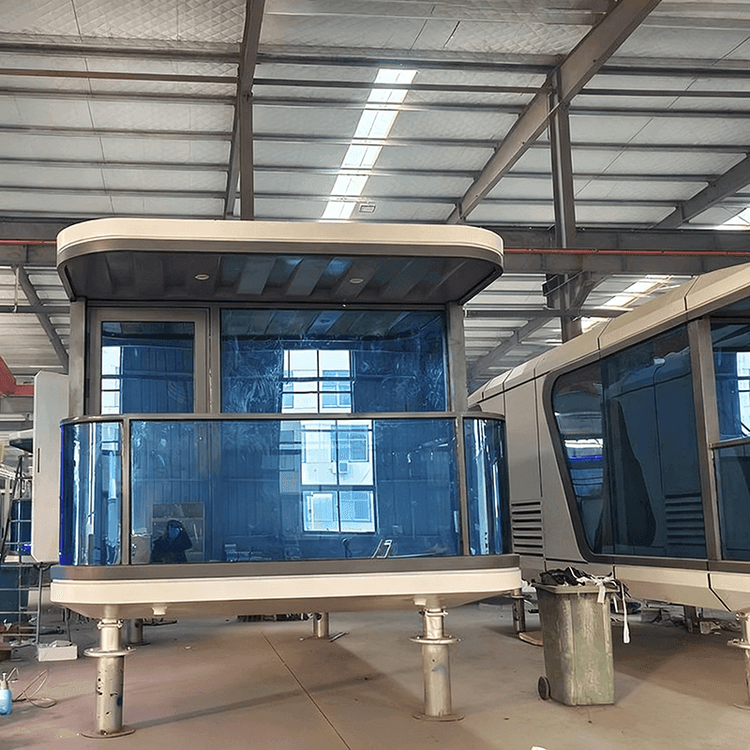
Design and Aesthetics: The toilet's appearance should harmonize with its usage scenario. Modern and minimalist designs reduce visual intrusion, and some products offer multiple color options or camouflage coatings to blend into natural environments or event themes, avoiding being a focal point.
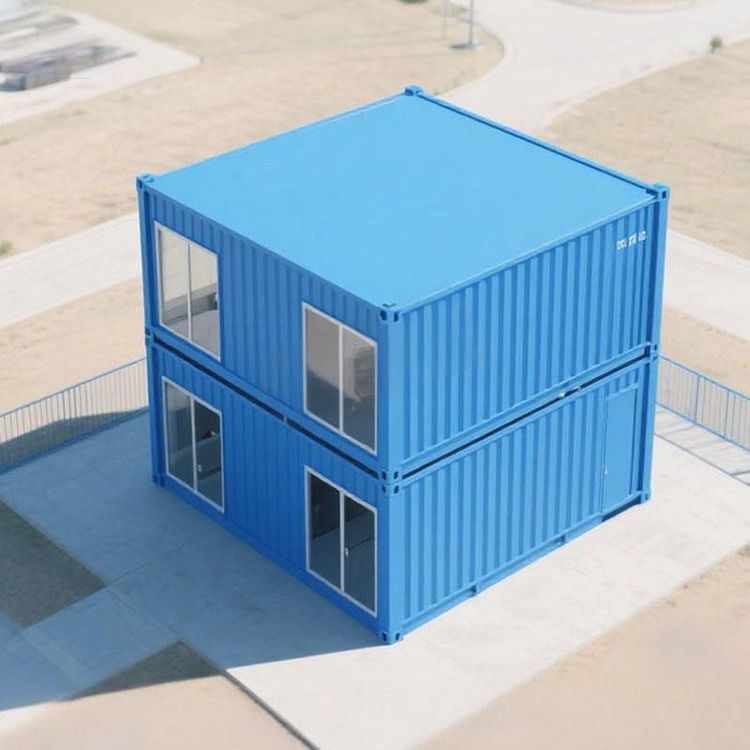
Size and Layout: Choose the appropriate size based on the available space. Compact models are suitable for narrow areas or high-density usage scenarios, while spacious models provide more room for movement, ideal for long-term use or special needs (such as facilities for disabled individuals). Modular designs allow flexible combinations to adapt to different site conditions.
User Comfort: Detail design directly impacts the experience. For example, ergonomic squat toilets, sufficient lighting (optional solar lights), and winter heating functions can meet the hygiene habits and comfort needs of different users, especially suitable for the elderly or children.
Environmental Friendliness: Opt for water-saving designs (such as micro-flush or dry toilets) and biodegradable materials to reduce water consumption and waste disposal pressure. Some products also feature wastewater recycling systems to further minimize environmental impact.
Modularity and Customization: Modular structures allow adding or adjusting functional modules (such as additional ventilation, heating, or lighting) according to needs, adapting to diverse scenarios such as temporary events, disaster relief, or long-term camping.
Brand Reliability: Prioritize brands that have passed international safety certifications (such as ISO standards), as their products generally offer better quality, durability, and after-sales service, reducing usage risks.
Installation and Maintenance: Choose models with simple structures and quick assembly. Some products provide pre-installed accessories or video tutorials to lower installation difficulty. Additionally, consider maintenance convenience, such as detachable parts and easily accessible consumables, to ensure long-term efficiency.