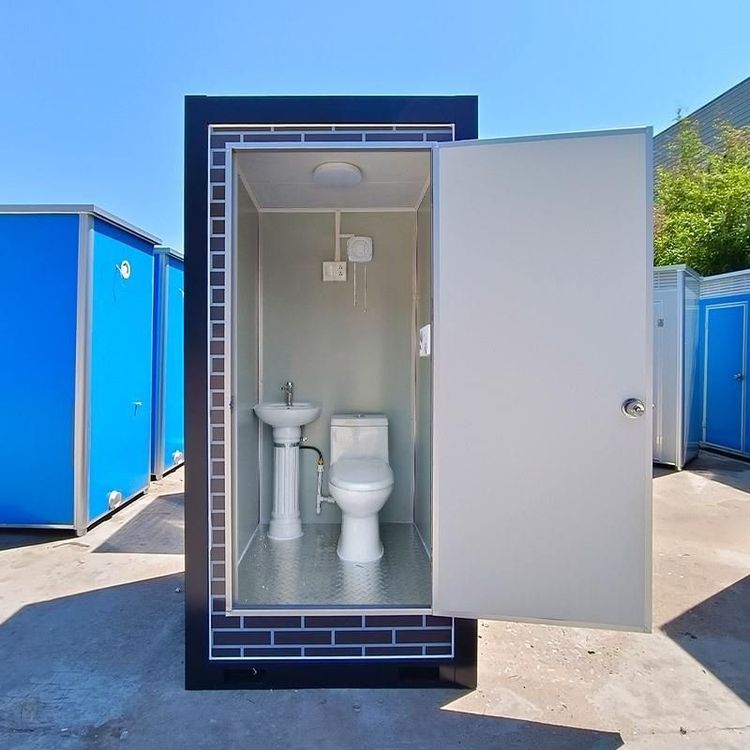
Qinghai Public Mobile Toilet Production
The production of public mobile toilets in Qinghai takes green environmental protection as its core goal, reflecting systematic environmental protection design from materials, structure, water treatment, waste treatment, to energy supply.
Material selection emphasizes environmental protection and durability
The surface of color-coated steel is treated with galvanization and coating, providing corrosion resistance to cope with the environmental characteristics of high ultraviolet radiation and large temperature differences in Qinghai. The interior of the panels is filled with rock wool or polyurethane to achieve thermal insulation, while both the production process and the finished products focus on reducing potential environmental impacts, such as avoiding the use of materials containing harmful substances like formaldehyde.
Modular structure reduces construction pollution
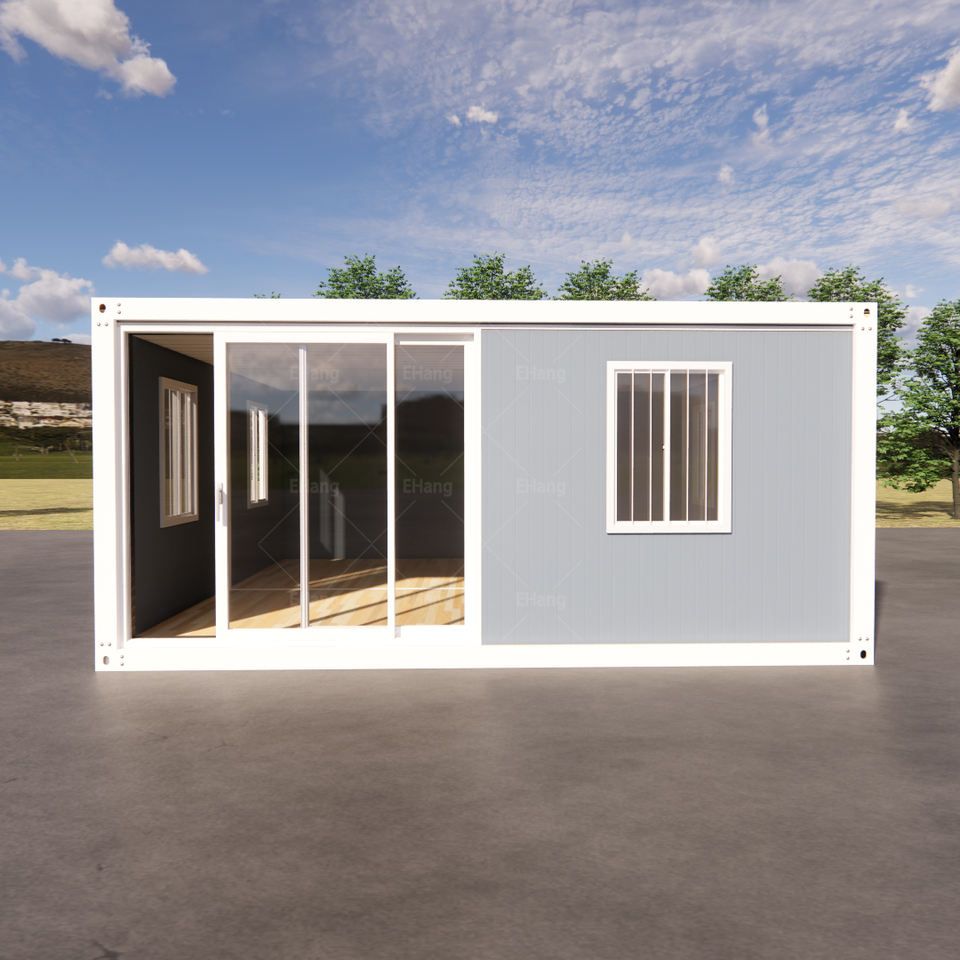
The modular design, which uses factory-prefabricated components for rapid on-site assembly, significantly reduces energy consumption and construction waste during the construction process. This design not only shortens the construction period but also minimizes the disturbance to the surrounding environment from on-site construction, aligning with green building principles.
Water resource treatment system enables recycling
The recirculating water flushing system uses multi-layer physical filtration and biochemical treatment technologies to allow flushing water to be reused, significantly reducing water consumption per unit. The waterless ecological treatment system, on the other hand, converts waste into disposable solid matter through separation devices and biodegradable materials, completely avoiding water consumption. These two systems can be flexibly configured according to usage scenarios to meet different needs.
Waste treatment emphasizes resource utilization
Some designs use degradation chambers with added microbial agents to accelerate the decomposition of organic matter, with the output serving as a basic component for soil improvement materials. Other solutions combine the principles of high-temperature composting, achieving stabilization through ventilation and temperature control, and converting waste into organic fertilizer. These treatment methods reduce environmental pollution caused by traditional landfilling or incineration.
Energy supply leverages natural conditions
Qinghai is rich in solar energy resources, making it common to use photovoltaic panels to power lighting, ventilation, and small treatment equipment. Some facilities are also equipped with micro wind turbines as a supplement, forming a wind-solar complementary energy supply system that further reduces reliance on the traditional power grid.
Functional design balances practicality and humanization
The finished mobile public restrooms are separated for men and women and include barrier-free stalls for the disabled, meeting diverse usage needs. The entire facility is prefabricated in the factory and can be used immediately upon connecting to water and electricity on-site, making it suitable for various scenarios such as tourist attractions, construction sites, and temporary projects, demonstrating a balance between environmental protection and practicality.